Coordination means the roof, the adjuster, and the paperwork tell the same story.
Insurance claim coordination is not a separate service from roofing — it is roofing work done with an eye toward what a claim file needs. Before a loss ever happens, a baseline inspection with dated photos and condition notes gives an owner a record of what the roof looked like beforehand, which matters when a carrier tries to argue that damage was pre-existing.
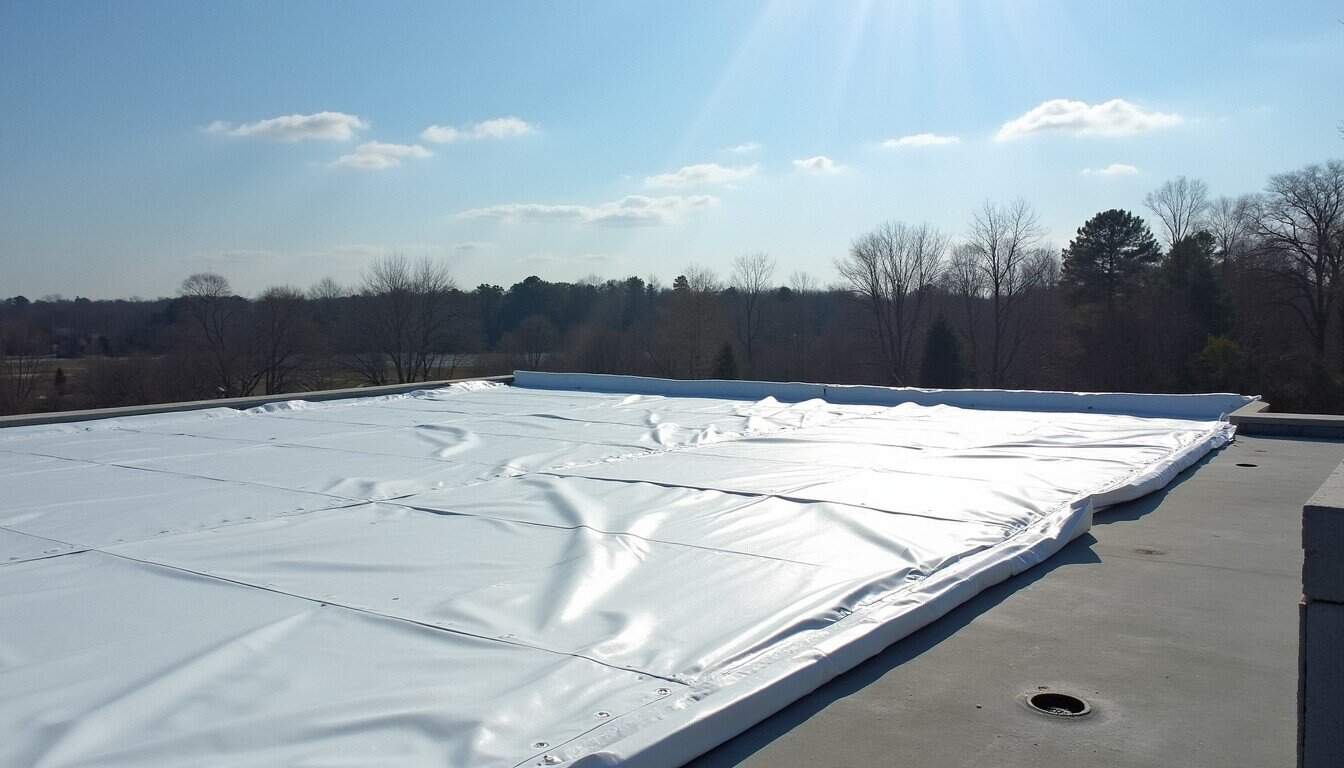
When a loss occurs, the sequence matters. If the roof is actively leaking, emergency tarp and dry-in work protects the interior first, but we document the damage — photos, measurements, moisture readings — before or during that work wherever it is safe, so the record still shows the original condition once temporary repairs go on.
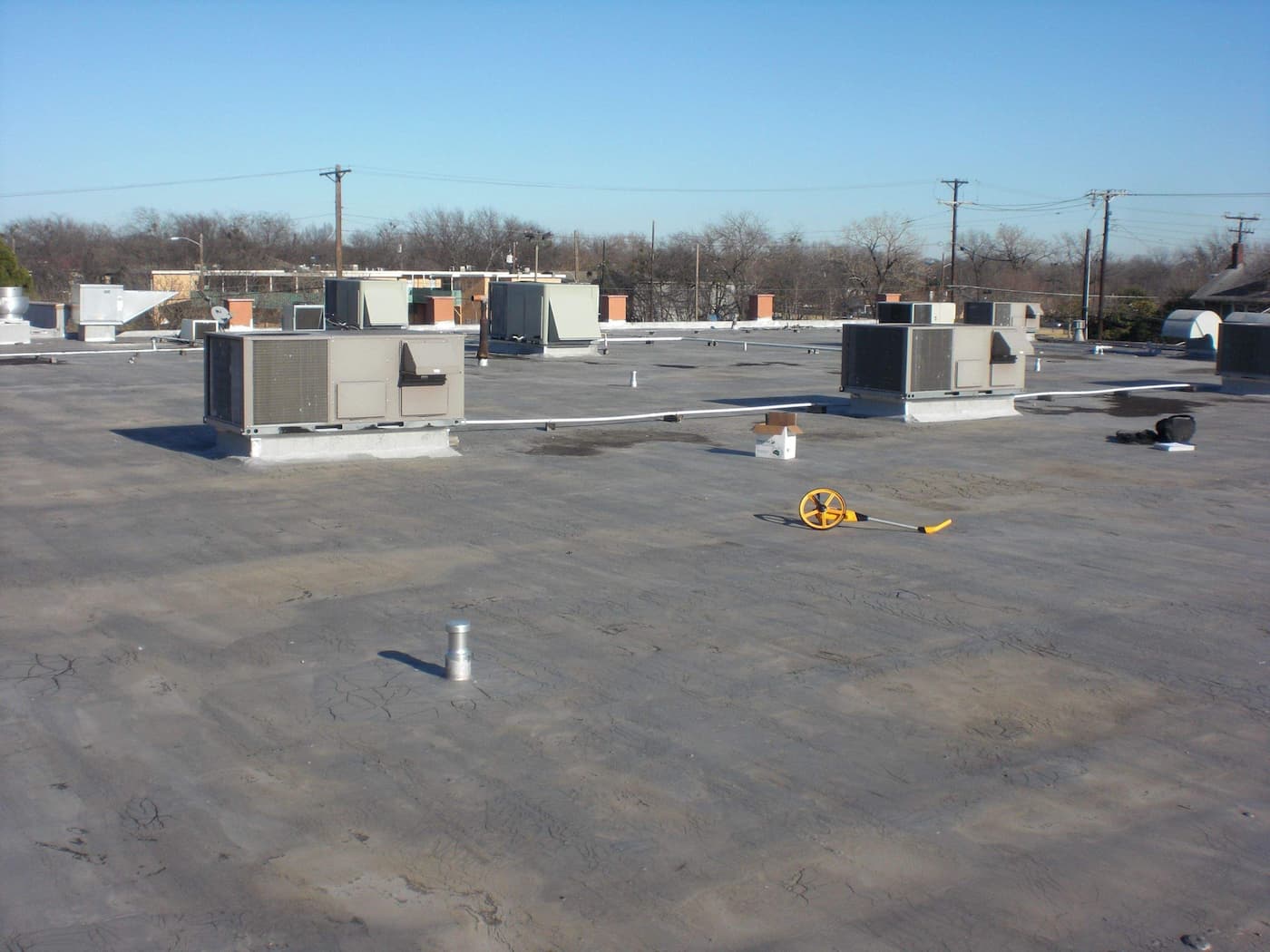
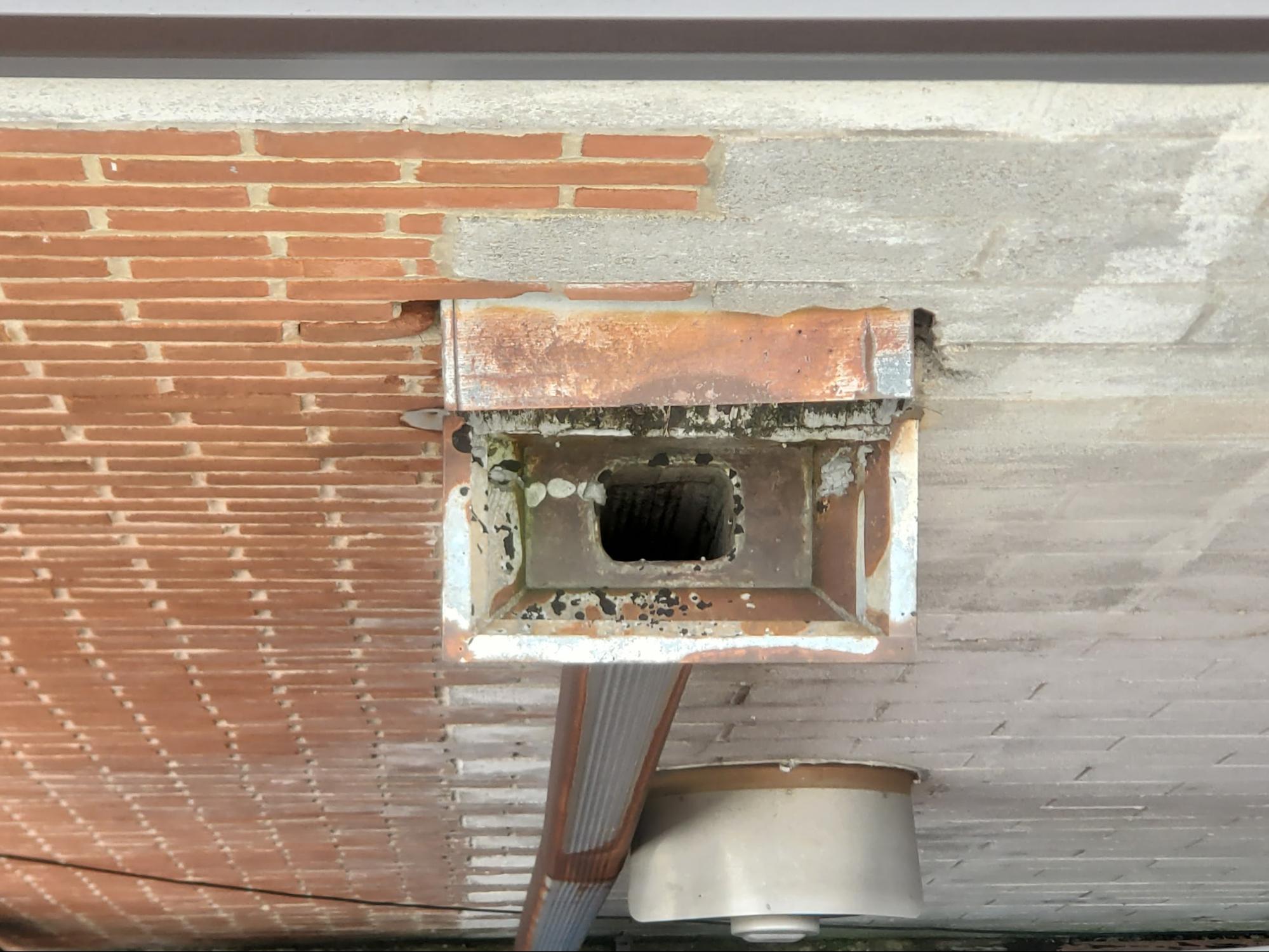
We coordinate directly with the adjuster on the roof when scheduling allows, walking the same path we photographed and pointing out membrane condition, flashing, drains, and structural concerns in terms an estimator can use. That reduces the back-and-forth that happens when a written scope does not match what the adjuster actually saw on site.
The scope we build itemizes the full repair or replacement, including code-driven upgrades — additional edge metal, insulation R-value, or drainage capacity required under Baltimore City's adopted 2021 International Building Code framework on a permitted reroof — along with matching considerations where a discontinued membrane cannot simply be patched into an existing field.
We are your roofing contractor, not a public adjuster — we document and substantiate the roof damage so you and your adjuster work from an accurate scope.
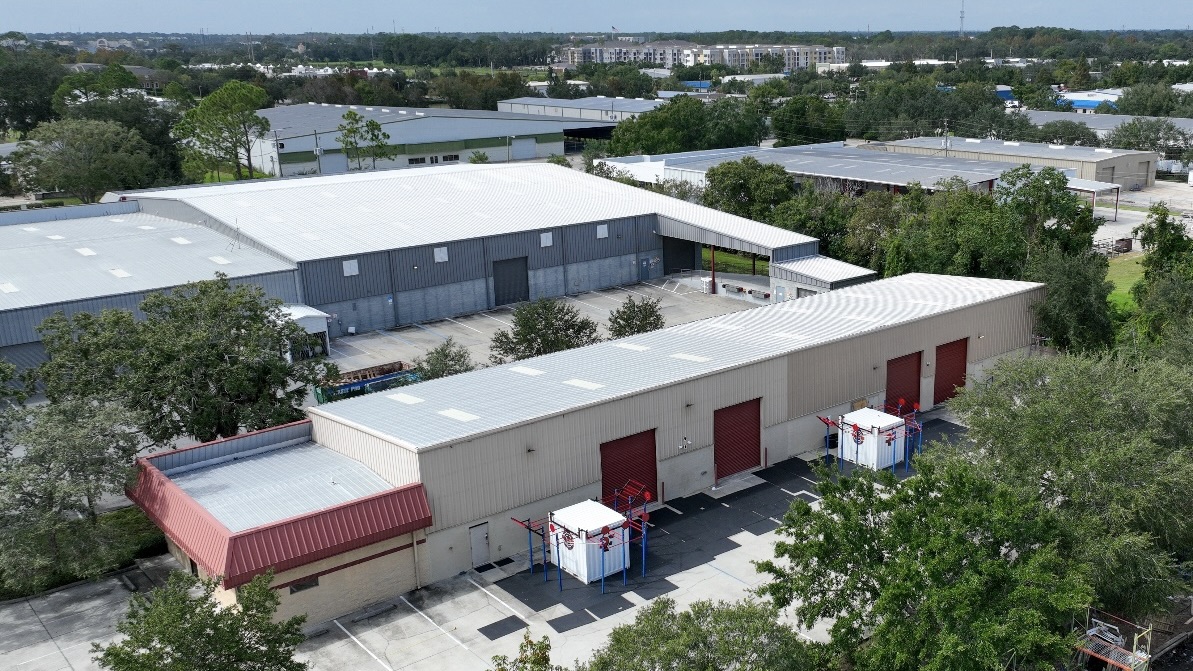
Baltimore's commercial building stock varies enough that coordination looks different depending on where the roof sits. Port and industrial buildings in Dundalk and Curtis Bay often carry older built-up roofing where age and storm damage can be hard to separate without a maintenance history. Rowhouse-adjacent commercial buildings have tighter access and older drainage. Newer Inner Harbor and Harbor East properties usually have better documentation already on file from original construction, which speeds up the baseline comparison when a claim comes in.
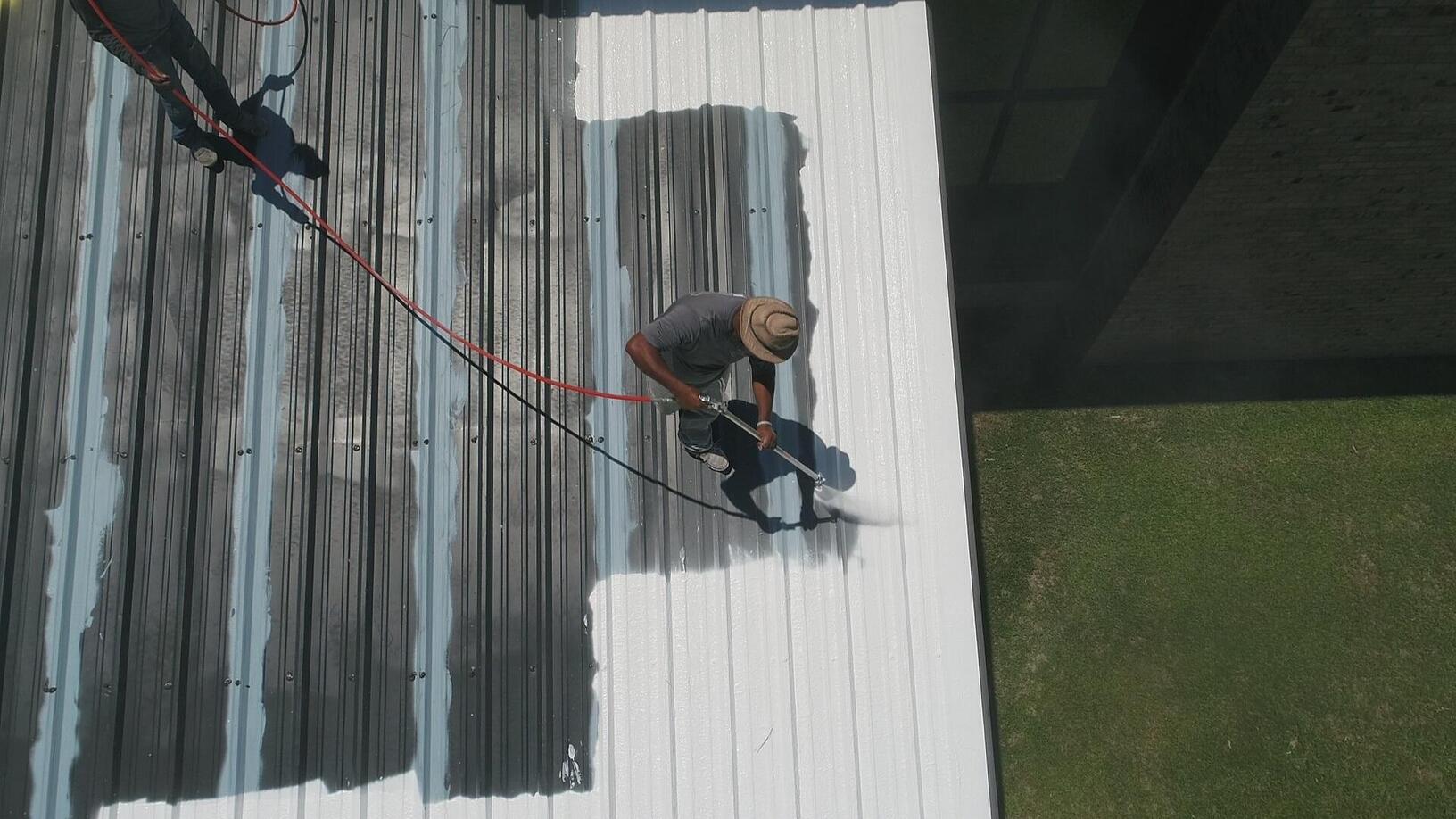
What an owner gets from us after a claim: dated photos organized by roof zone, measurements, a written scope separating repair, restoration, recover, and replacement where more than one path is realistic, and notes on code-driven items and warranty considerations. That file is meant to be handed to the adjuster, an appraiser, or a second contractor without the owner having to reconstruct what happened from memory.