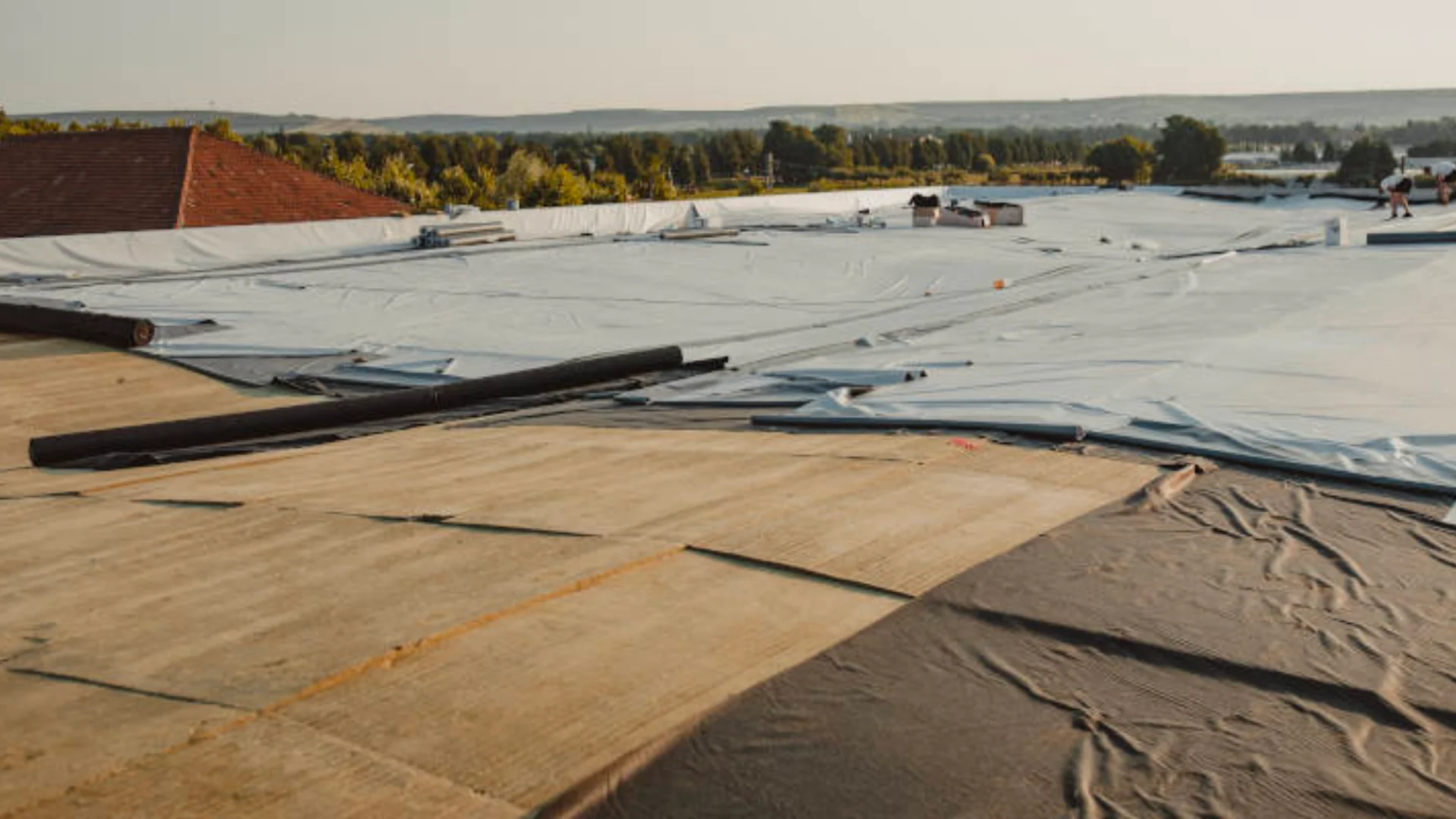
Baltimore winters are not extreme, but they are hard on flat roofs.
Baltimore does not see the deep, sustained snowpack of a northern climate, but the freeze-thaw pattern typical of a Chesapeake winter is its own kind of hard on a low-slope commercial roof. A heavy, wet nor'easter snowfall followed by a partial thaw and a refreeze is a common sequence here, and that cycle is exactly what forms ice dams at parapets, drains, and scuppers, and drives water under membrane laps that a dry roof would shed without issue.
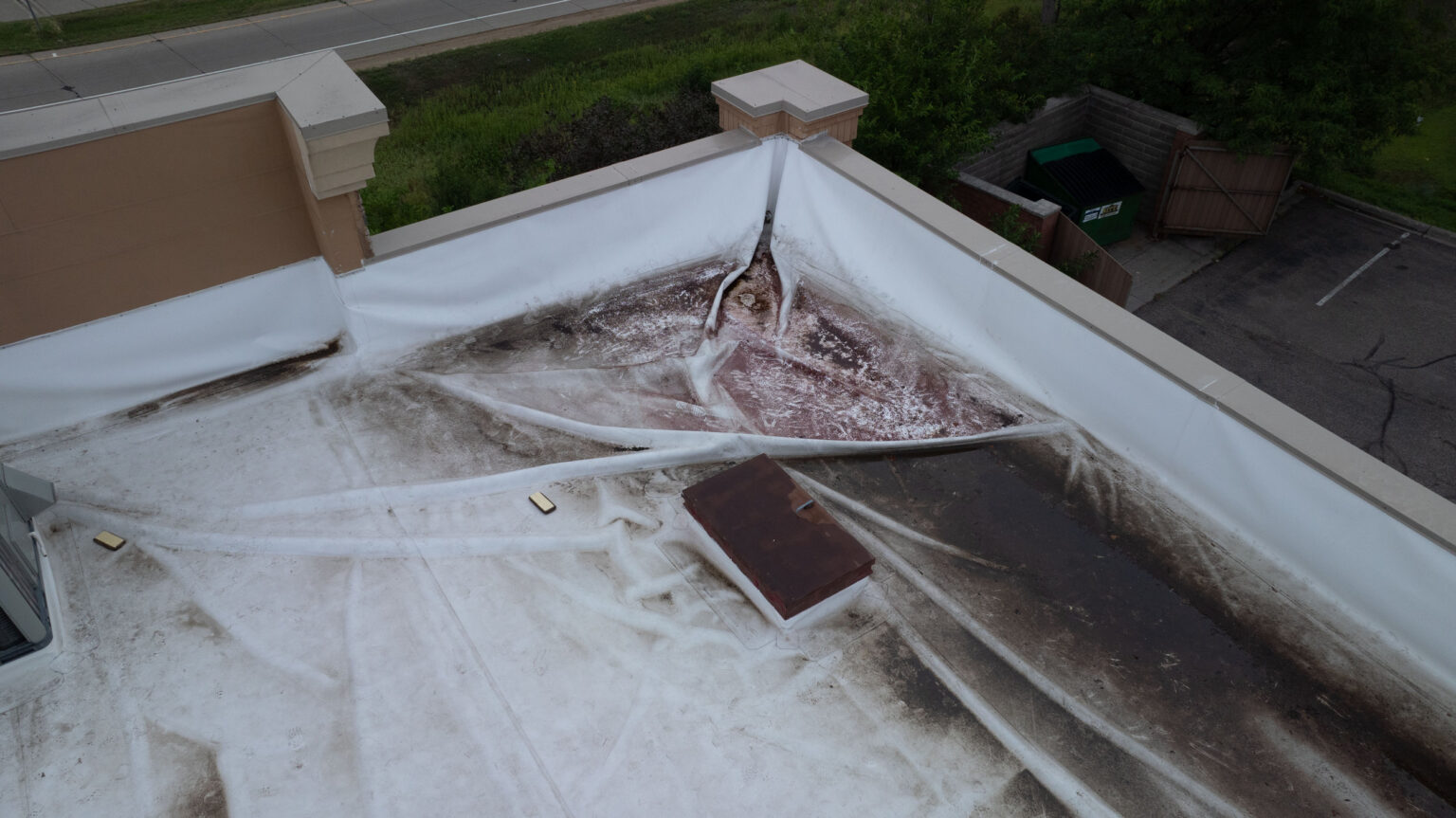
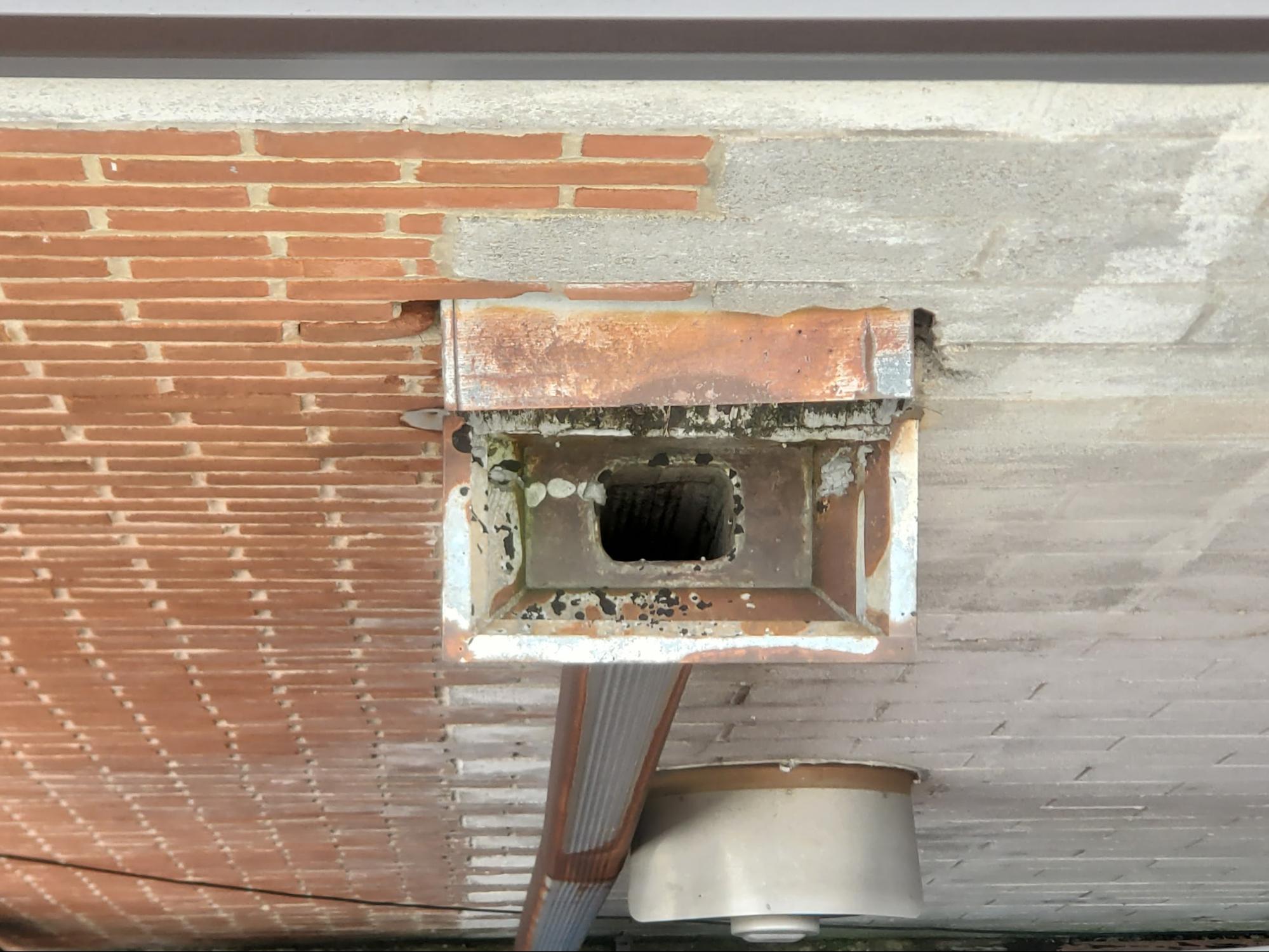
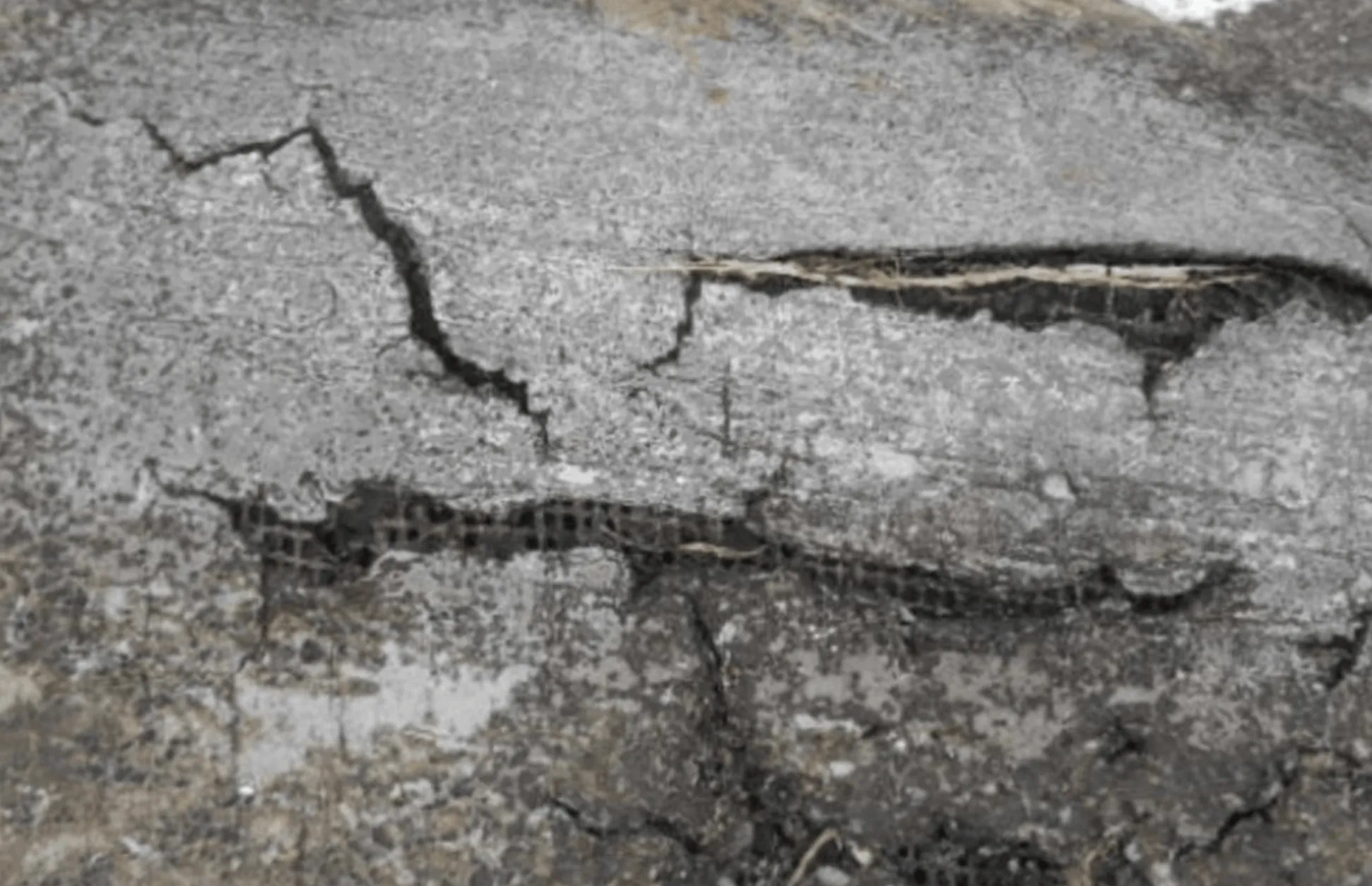
Ice dams on a flat commercial roof do not look like the icicle-hung eaves of a pitched residential roof. They form where meltwater reaches a drain, scupper, or low point that is already blocked or frozen, backs up, and refreezes into a dam that traps standing water behind it. That trapped water finds seams, penetrations, and flashing details that were never meant to hold standing water for days at a time, and the membrane stress from repeated ice expansion at those seams can open a leak path that would not show up under normal ponding conditions.
Heavy wet snow load is the other risk, particularly on older built-up roofing where the structural design capacity has less margin than a newer code-compliant system. A single heavy nor'easter can put more load on a roof deck than an entire ordinary winter, and on a roof already carrying rooftop units, old re-cover layers, or deferred drainage repairs, that load matters more than it would on a well-maintained system.
Documenting a snow or ice claim means tying the damage to a specific storm date, not a general winter pattern. We photograph ice accumulation at drains and scuppers, measure ponding depth once the ice clears, log interior leak staining against the storm timeline, and note any deck deflection or structural concern that would call for an engineer's review before reoccupying an affected area.
Carriers commonly draw a line between sudden storm-caused damage, which is typically covered, and gradual deterioration from repeated ponding or drainage neglect over multiple seasons, which is often treated as a maintenance issue and excluded. A file that documents the specific storm, the condition immediately after, and a maintenance history that shows the drainage system was functioning beforehand supports the first reading rather than the second.
We are your roofing contractor, not a public adjuster — we document and substantiate the roof damage so you and your adjuster work from an accurate scope.
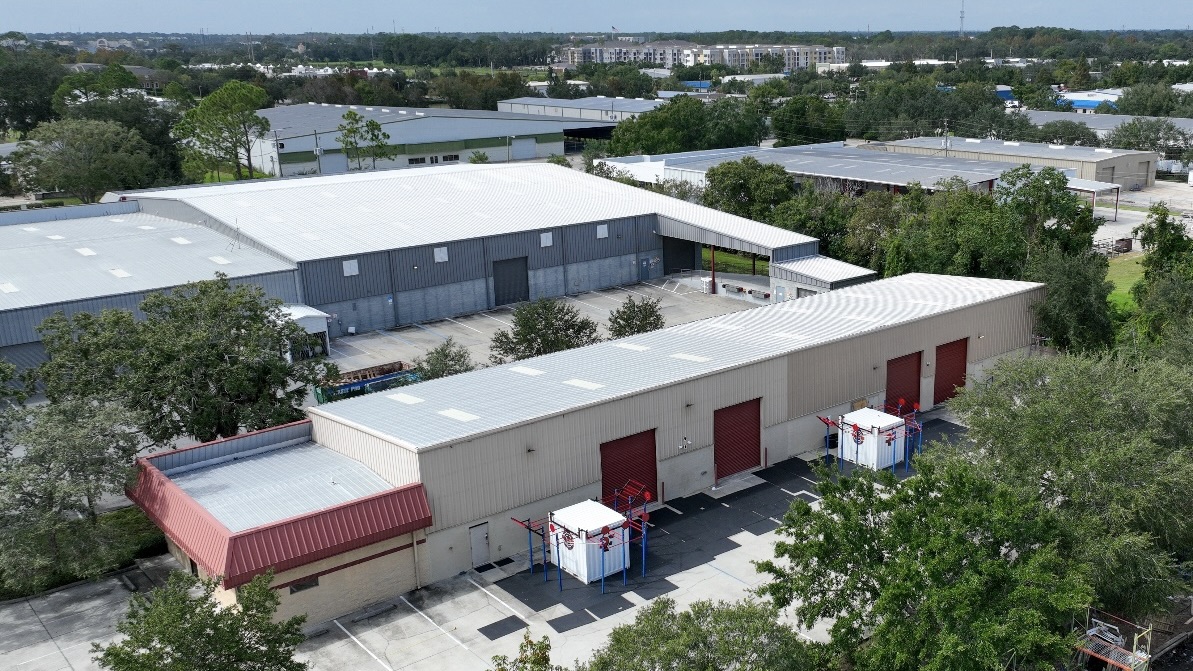
Baltimore's older built-up roofs on wide, low-slope industrial buildings in Dundalk and Curtis Bay are typically the most exposed to ponding-and-ice damage, since large flat fields with aging drainage collect water faster than they shed it. Rowhouse-adjacent commercial strips often carry undersized or partially clogged drainage from age and deferred maintenance. Newer Inner Harbor and Harbor East buildings generally have better-engineered drainage, but parapet lines and mechanical curbs remain exposed points where ice still forms first.