Baltimore is not hail alley, but convective storms still bring it through.
Hail is a secondary risk in the Baltimore area compared to wind and heavy rain, but it is a real one. Spring and summer convective storm cells that move through the mid-Atlantic corridor can produce hail, usually smaller in size than what Midwest markets see, but still capable of bruising a membrane, denting sheet metal, and cracking rooftop equipment housings.
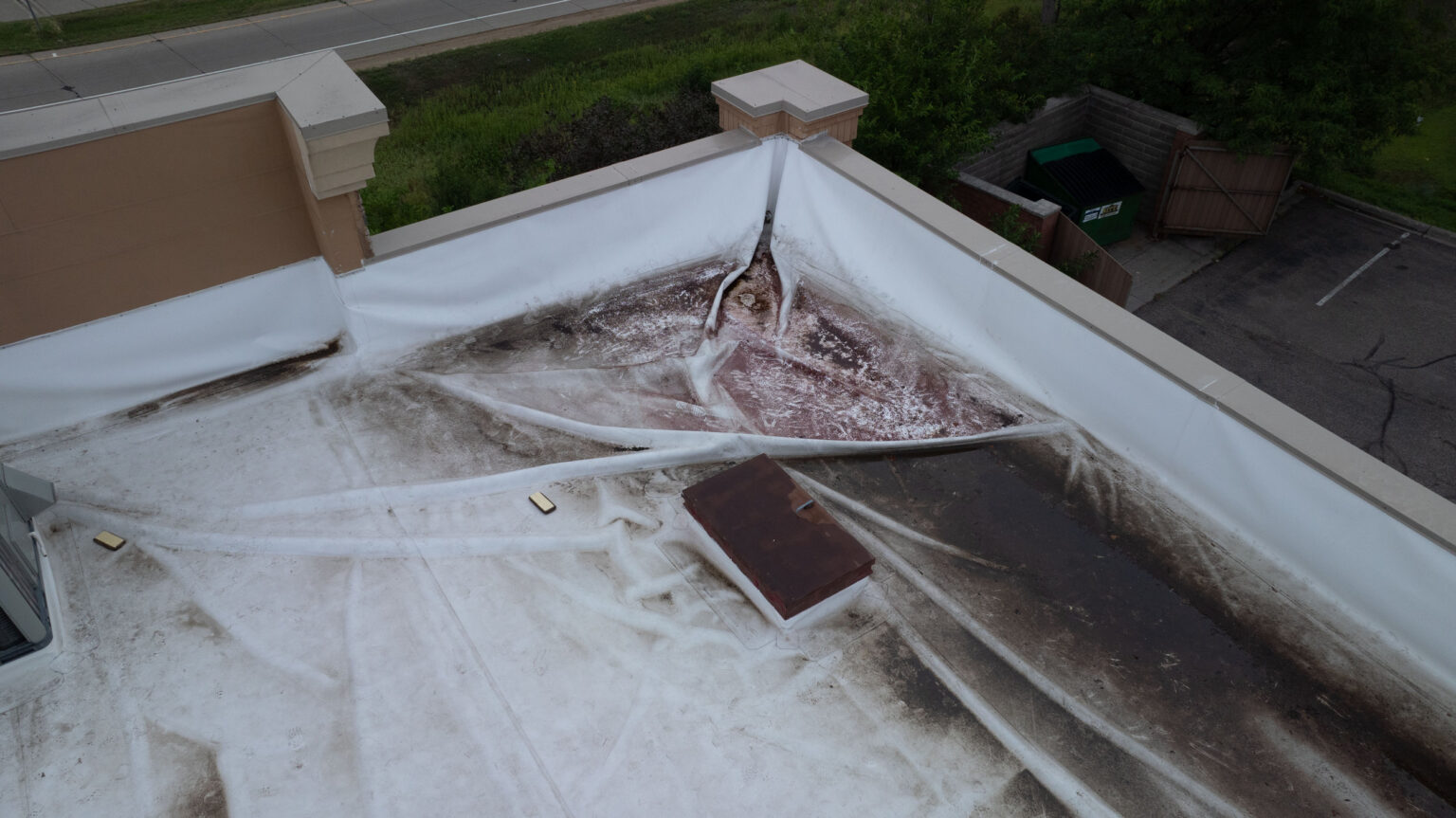
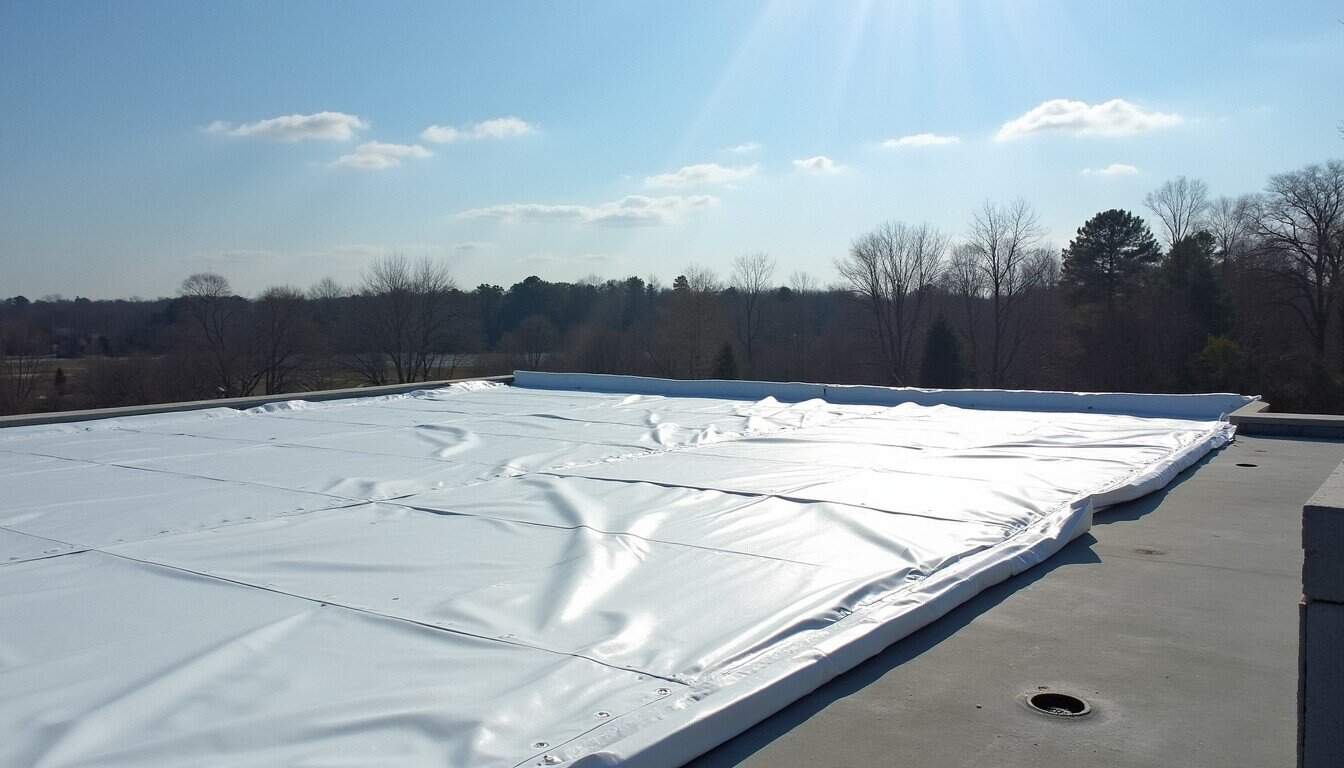
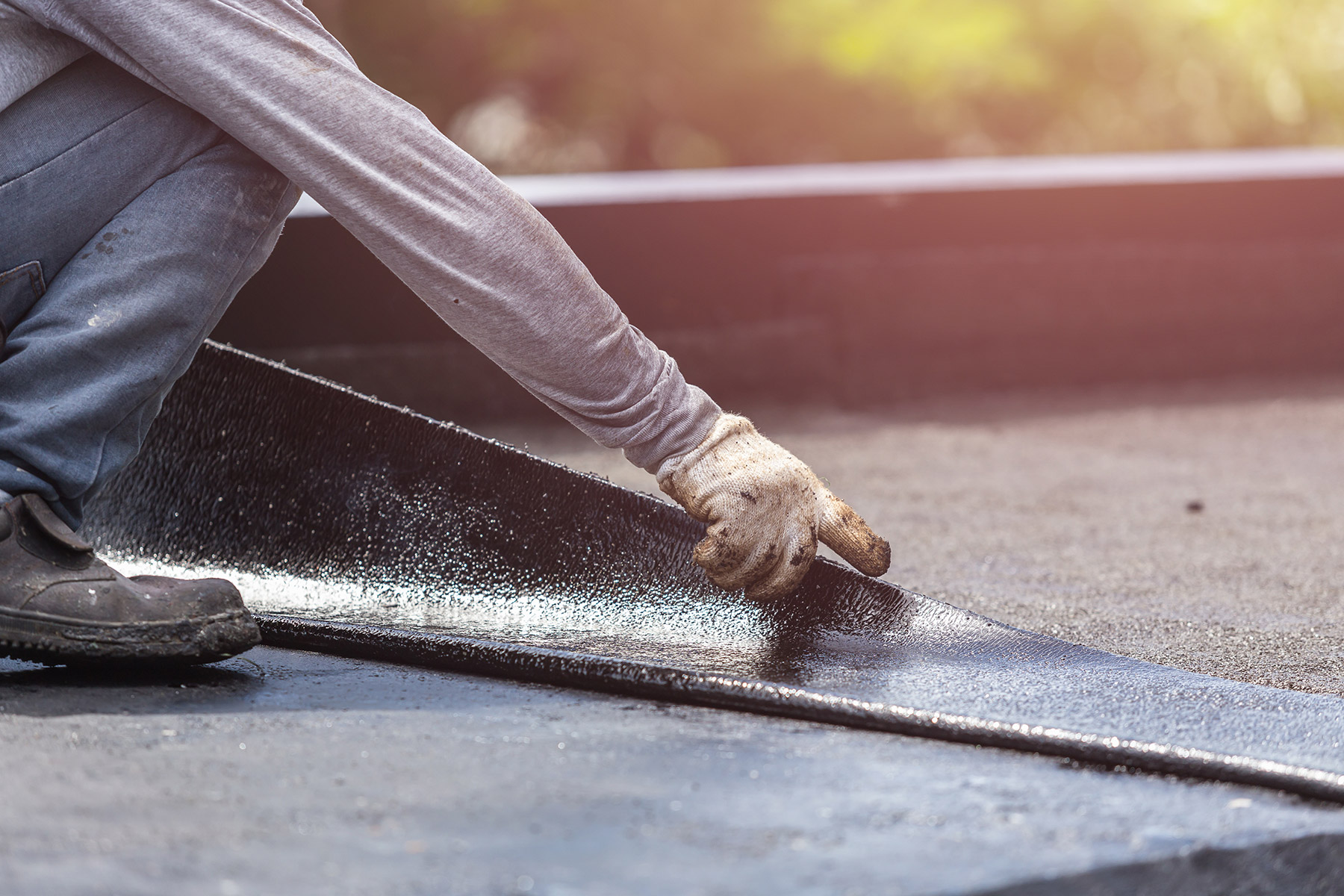
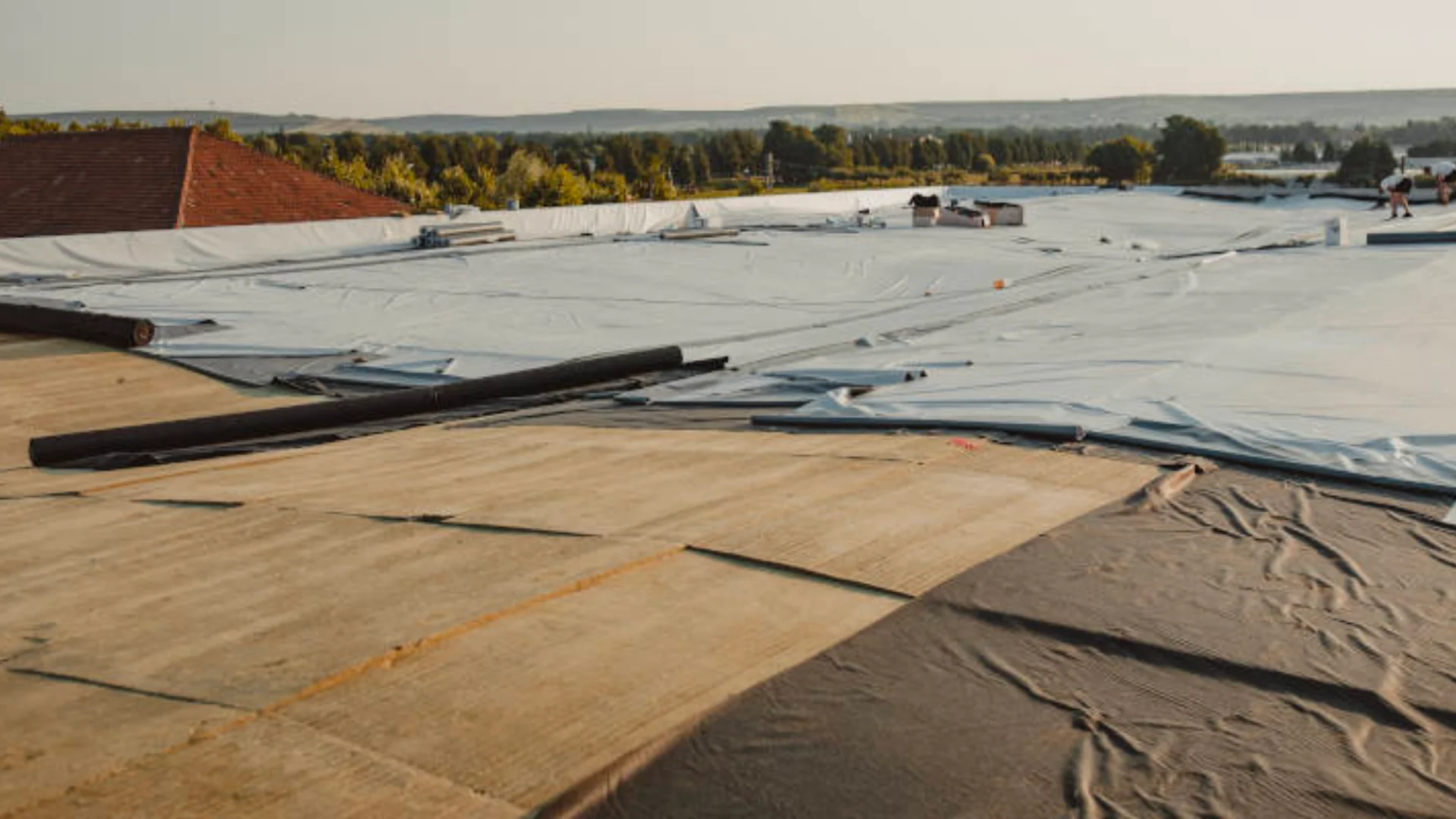
The damage pattern on a commercial roof depends heavily on the roof system. Modified bitumen cap sheets can show granule loss and displacement where hail strikes. EPDM membrane can bruise — a soft, indented spot where the impact stressed the material without immediately tearing it open. Standing-seam and other metal roofing shows the most visually obvious evidence: dents in a pattern consistent with hail rather than random impact damage. Rooftop unit cabinets, coils, and vent covers frequently show corroborating denting even when the membrane damage nearby is harder to see.
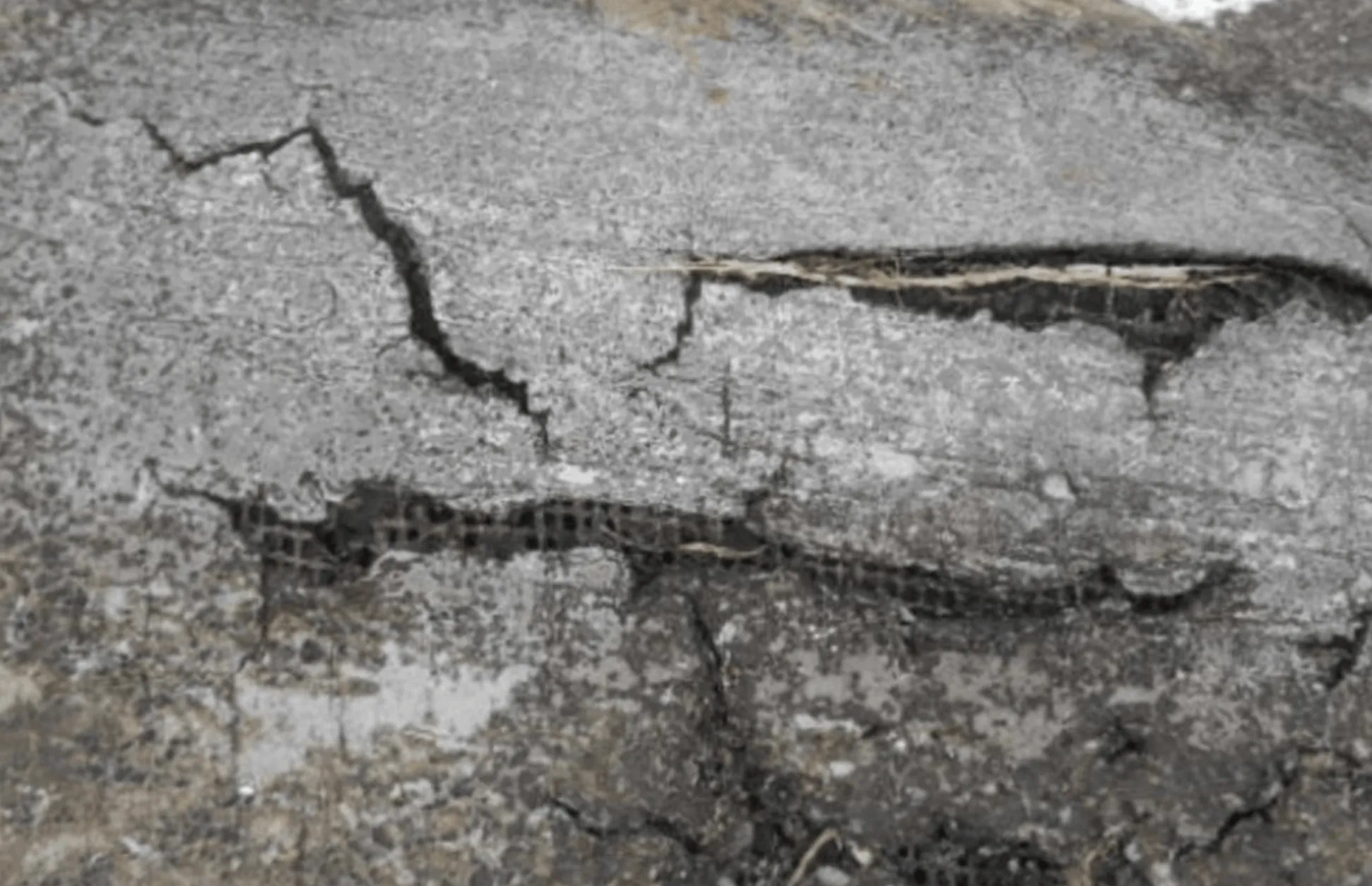
Because hail damage on membrane is often not visually obvious, documentation matters more here than on a wind claim. We grid the roof and photograph impact points systematically rather than spot-checking, and where bruising is suspected on a single-ply membrane, a core sample can confirm whether the impact reached the reinforcement layer. We also compare exposed field areas against sections sheltered by parapets or adjacent structures, since a pattern that is dense in exposed areas and absent in sheltered ones is consistent with hail rather than general wear.
Rooftop mechanical equipment often becomes useful corroborating evidence for a hail claim. Dented coil fins, cracked plastic housings, or chipped paint on an HVAC condenser sitting a few feet from an area of questionable membrane damage helps establish that a hail event actually occurred at that roof, which strengthens the case for the membrane damage nearby.
The most common dispute on a hail claim is whether the damage is functional or cosmetic. Granule loss alone on a cap sheet may not compromise waterproofing and can get labeled cosmetic by an adjuster. We document whether the impact reached felt or reinforcement, whether seams show stress consistent with impact, and whether the damage is likely to shorten the membrane's remaining service life, since that distinction is usually what separates a covered claim from a denied one.
We are your roofing contractor, not a public adjuster — we document and substantiate the roof damage so you and your adjuster work from an accurate scope.
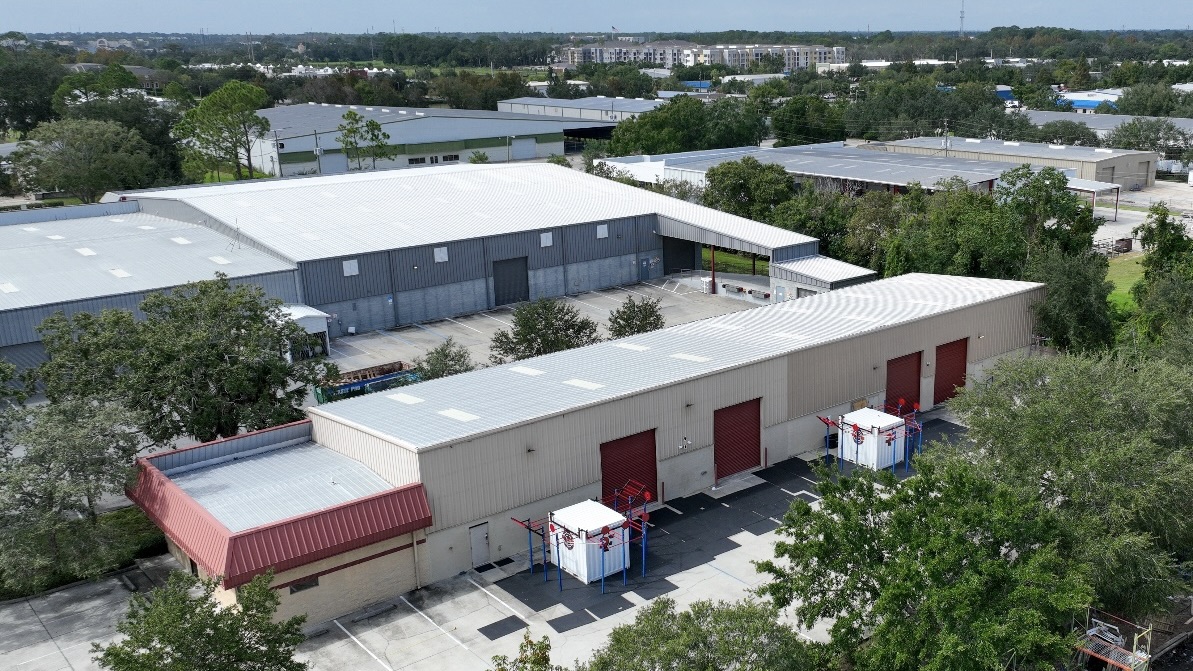
Older built-up and modified bitumen roofing common on Dundalk and Curtis Bay industrial buildings shows hail differently than the newer TPO membranes going up on Harbor East properties, and standing-seam metal canopies at auto dealerships and retail sites around the metro tend to give the clearest visible evidence of an impact event when a claim is otherwise hard to prove from the membrane alone.