A roof claim is only as strong as the record behind it.
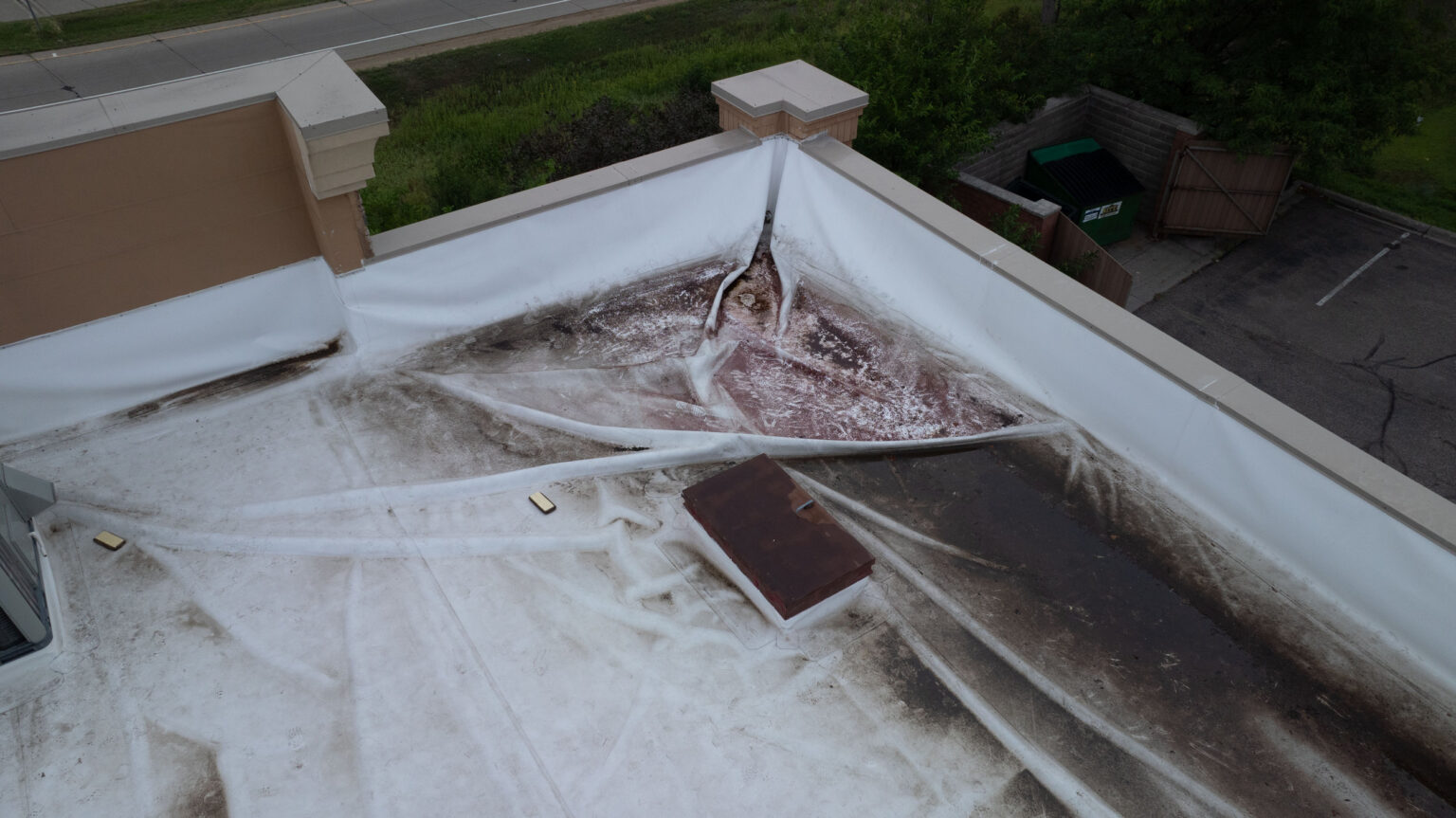
Most commercial roof claims do not fail because the damage was not real. They fail because nobody documented it before temporary repairs, weather, or foot traffic changed what the adjuster could see. An adjuster who spends thirty minutes on a roof they have never walked before is working from a snapshot. A roofing contractor who has already measured the wet insulation, photographed the torn seams, and logged the drain conditions is working from a record.
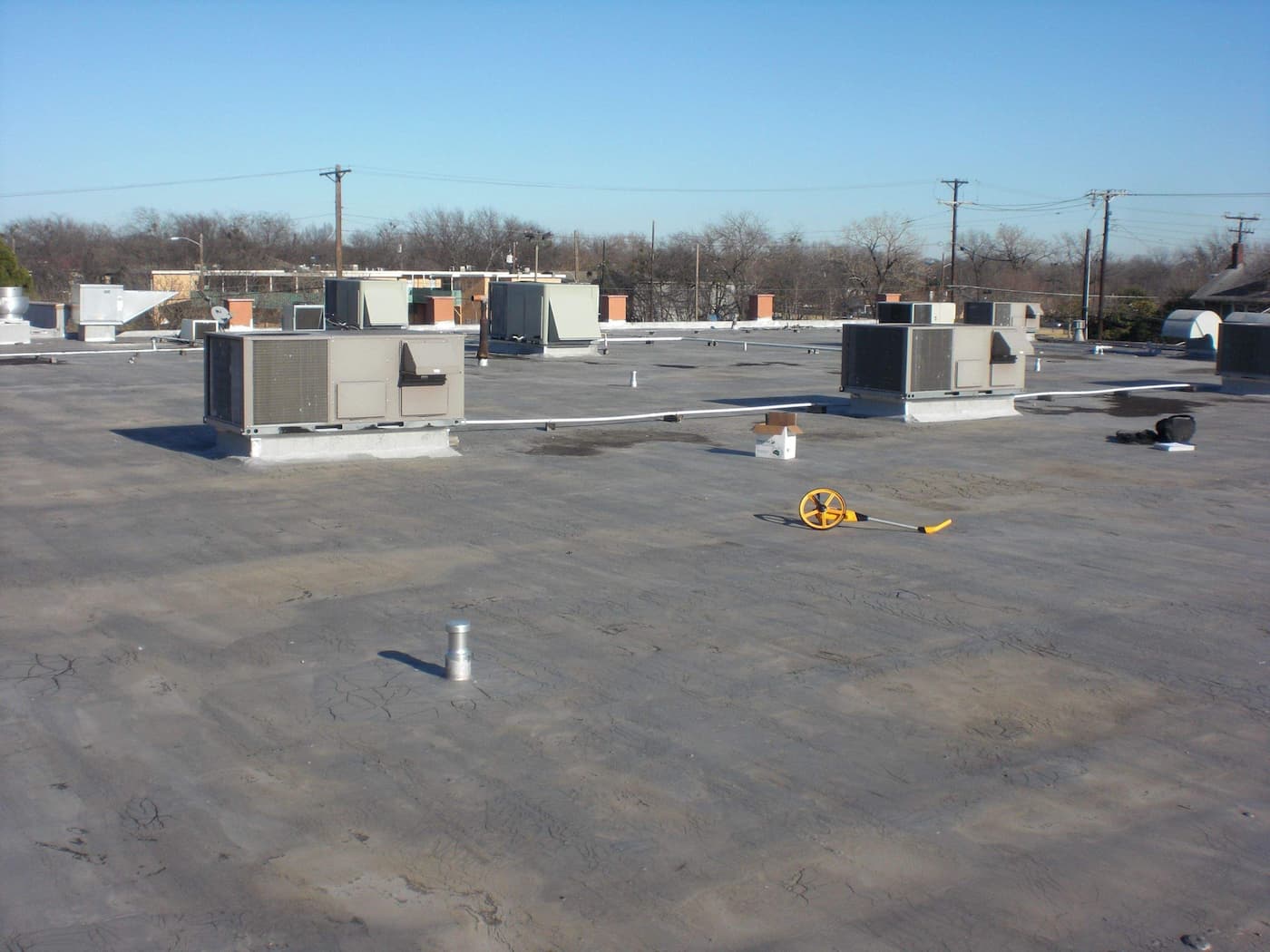
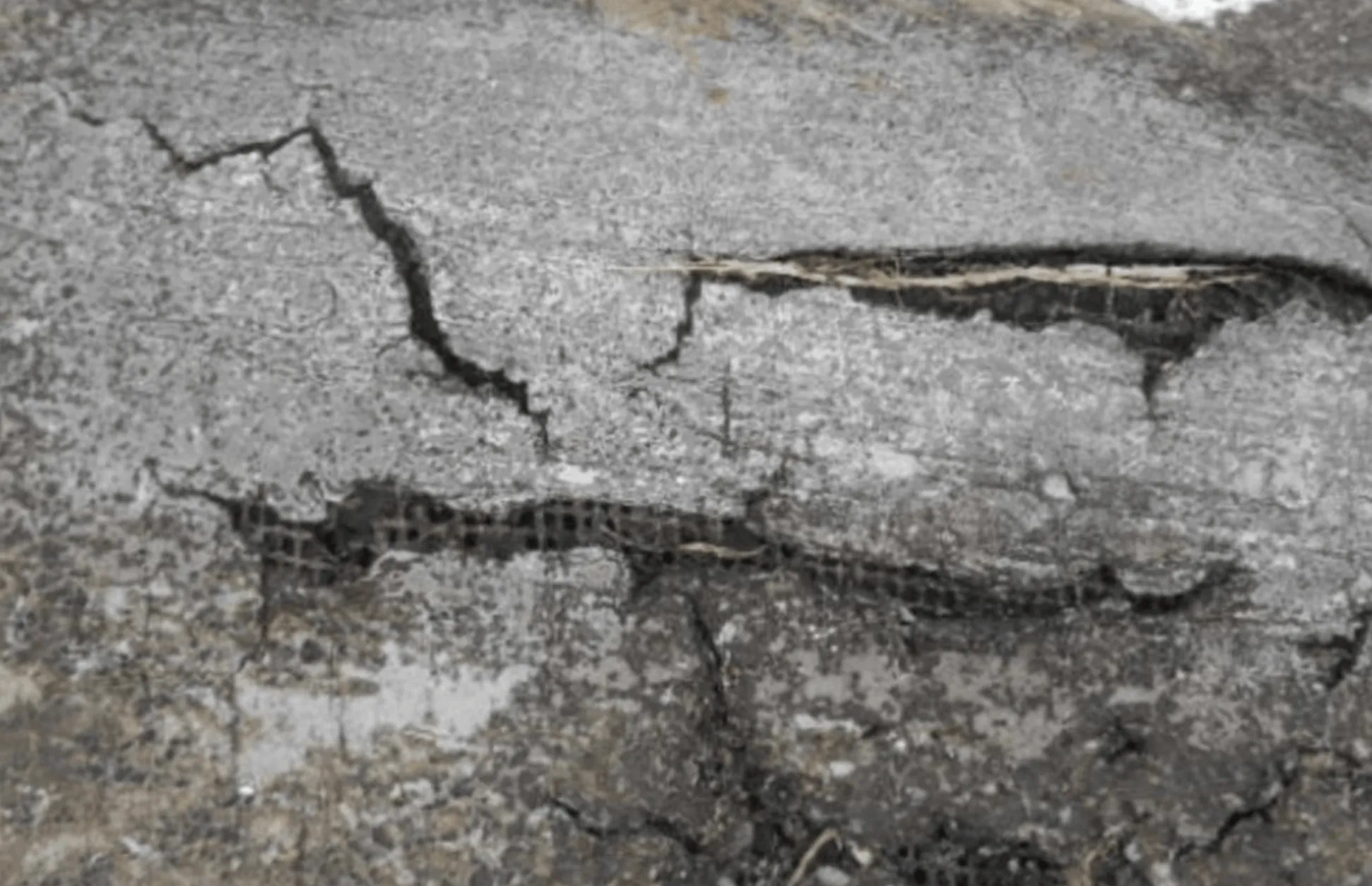
We put that record together before the adjuster arrives. That means roof-zone photos taken in daylight with a scale reference, moisture readings where wet insulation is suspected, measurements of affected membrane area, and notes on flashing, coping, drains, scuppers, and rooftop unit curbs. Where the cause is in question, we separate what is clearly storm-related from what was already there, because a file that overstates damage gets picked apart just as fast as one that understates it.
When the adjuster is on site, we walk the roof with them whenever the schedule allows, point to the same evidence we photographed, and describe it in terms an estimator can use — membrane type, fastening pattern, insulation condition, and whether Baltimore City's adopted 2021 International Building Code framework requires code-driven upgrades like additional edge metal, drainage capacity, or insulation R-value on any permitted reroof. That code detail matters because a settlement based only on the visible puncture often misses the work a permit will require once the roof is opened up.
Complete-scope framing is the difference between a check that covers a patch and a check that covers the actual repair. A torn membrane on a system that is out of production cannot always be feathered into a small patch; it may need a full field replacement to keep a manufacturer warranty intact. Wet insulation under one section of membrane usually cannot be dried in place. We itemize that scope — tear-off, insulation replacement, membrane, flashing, code upgrades, and matching where applicable — so nothing legitimate gets left off the worksheet.
Denied and underpaid claims almost always trace back to the same gap: no dated photos, no measurements, and no comparison between damaged and undamaged roof areas. An adjuster who calls granule loss or a torn seam "wear and tear" is harder to answer without a file that shows storm-consistent damage patterns and a maintenance history that rules out neglect. When a claim comes back underpaid, we can re-inspect, add documentation the first estimate missed, and give the owner a scope to bring back to the carrier or to an independent appraisal.
We are your roofing contractor, not a public adjuster — we document and substantiate the roof damage so you and your adjuster work from an accurate scope.
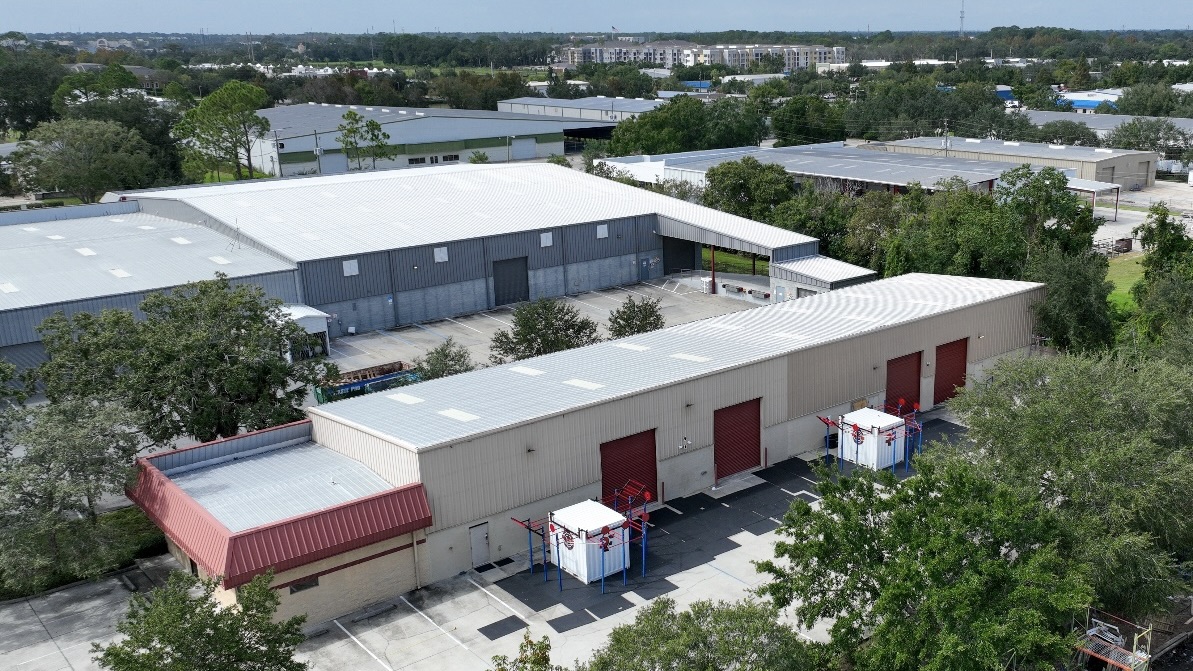
Baltimore's commercial roof stock is not uniform, and that changes what a claim file needs to show. Older built-up roofing on Dundalk and Curtis Bay industrial buildings ages differently than the TPO and EPDM membranes going up on newer Inner Harbor and Harbor East properties, and a rowhouse-adjacent commercial strip in East Baltimore has different access and drainage constraints than a port-side warehouse. We account for the specific roof system and building type when we document a claim, because a generic file does not hold up as well as one grounded in what is actually on the roof.