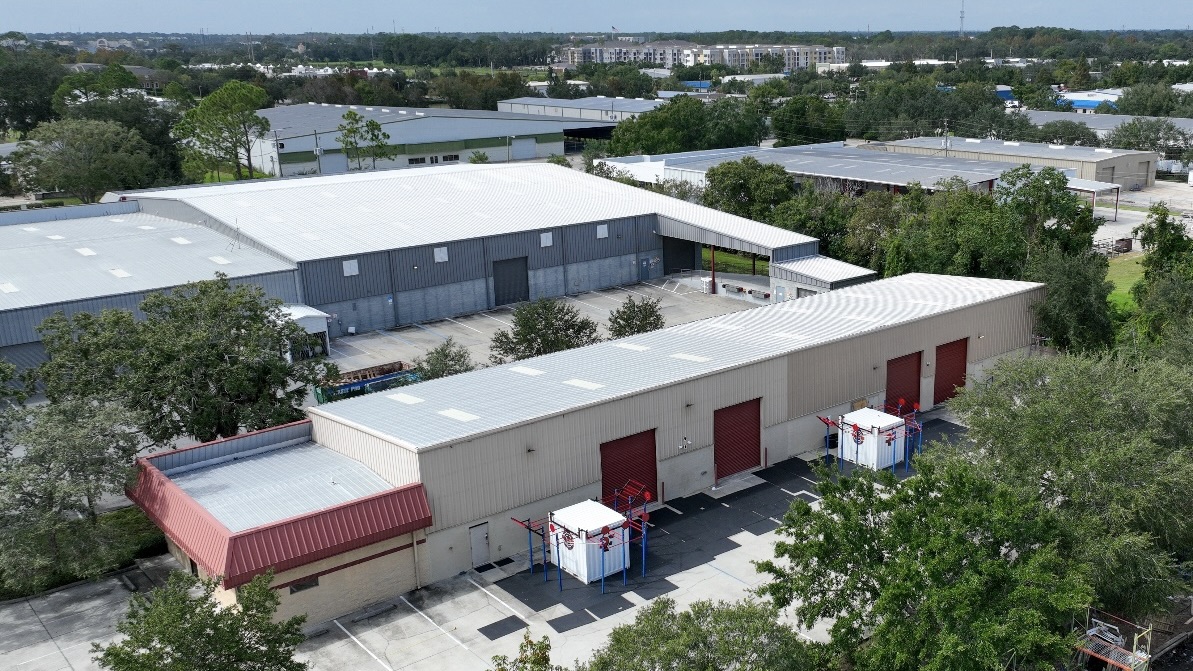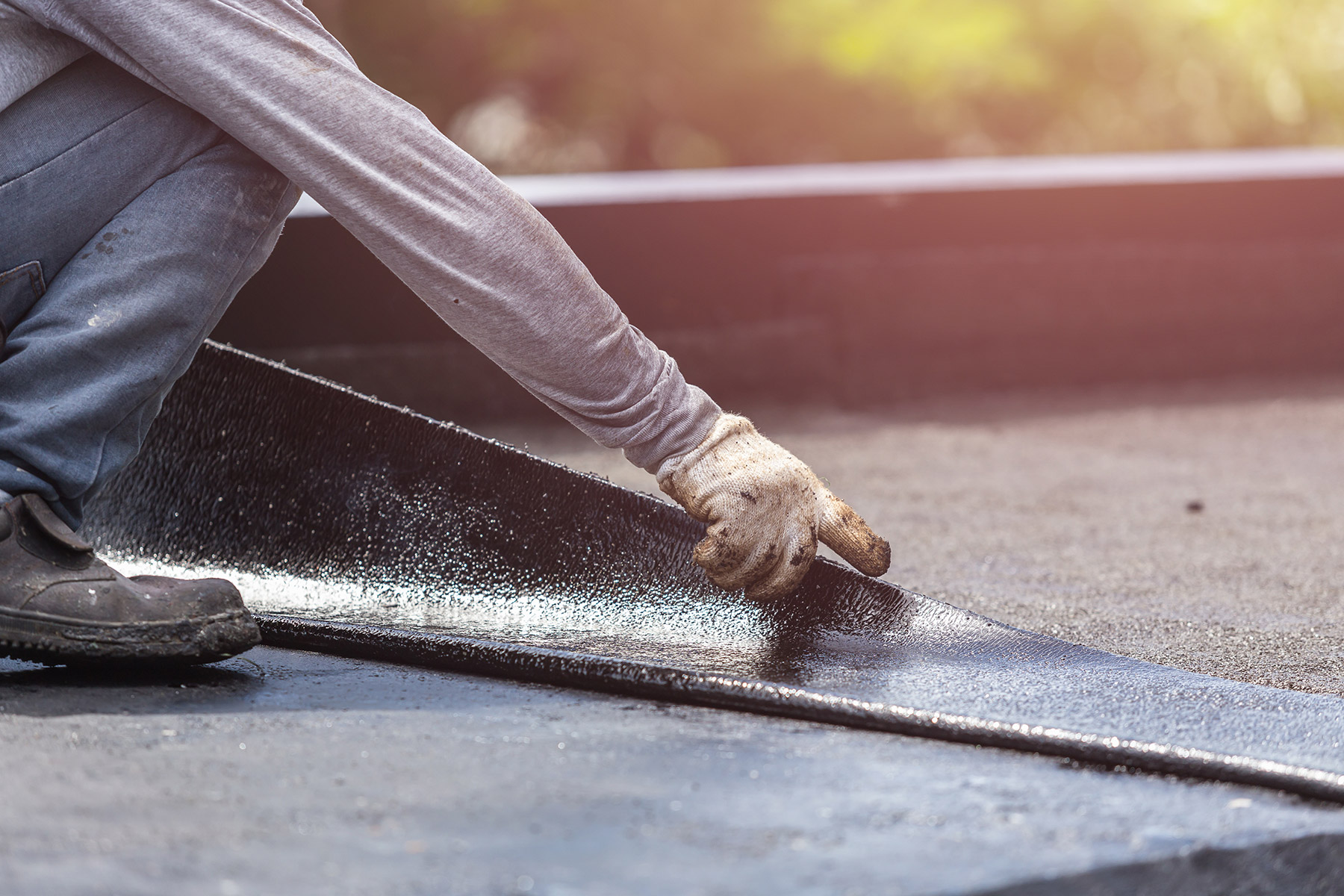
Warehouse and Distribution Center Roofing starts with the actual roof condition.
The Amazon fulfillment center in Baltimore's Arundel Mills area, along with UPS and FedEx ground facilities serving the Baltimore-Washington corridor, anchors a robust industrial real estate market where roofing contractors must navigate a demanding four-season climate, stringent Maryland building codes, and the operational requirements of logistics facilities that run around the clock every day of the year. Baltimore's position near the Chesapeake Bay adds a coastal humidity dimension that influences membrane selection and long-term roof performance.
Baltimore's climate is genuinely four-season, with cold winters that regularly bring snow and ice, hot and humid summers, and a full range of spring and fall transitional conditions. Average annual snowfall is about 20 inches, and ice storm events, particularly the glaze-ice storms that track up the Mid-Atlantic coast, can deposit heavy ice loads on warehouse roofs in a matter of hours. Large distribution center roofs in Anne Arundel and Baltimore Counties must be designed for the ground snow loads specified in the Maryland Building Performance Standards, which reference ASCE 7. Drainage systems must handle both snow melt volume and the rain-on-snow events that are common in Mid-Atlantic winters.
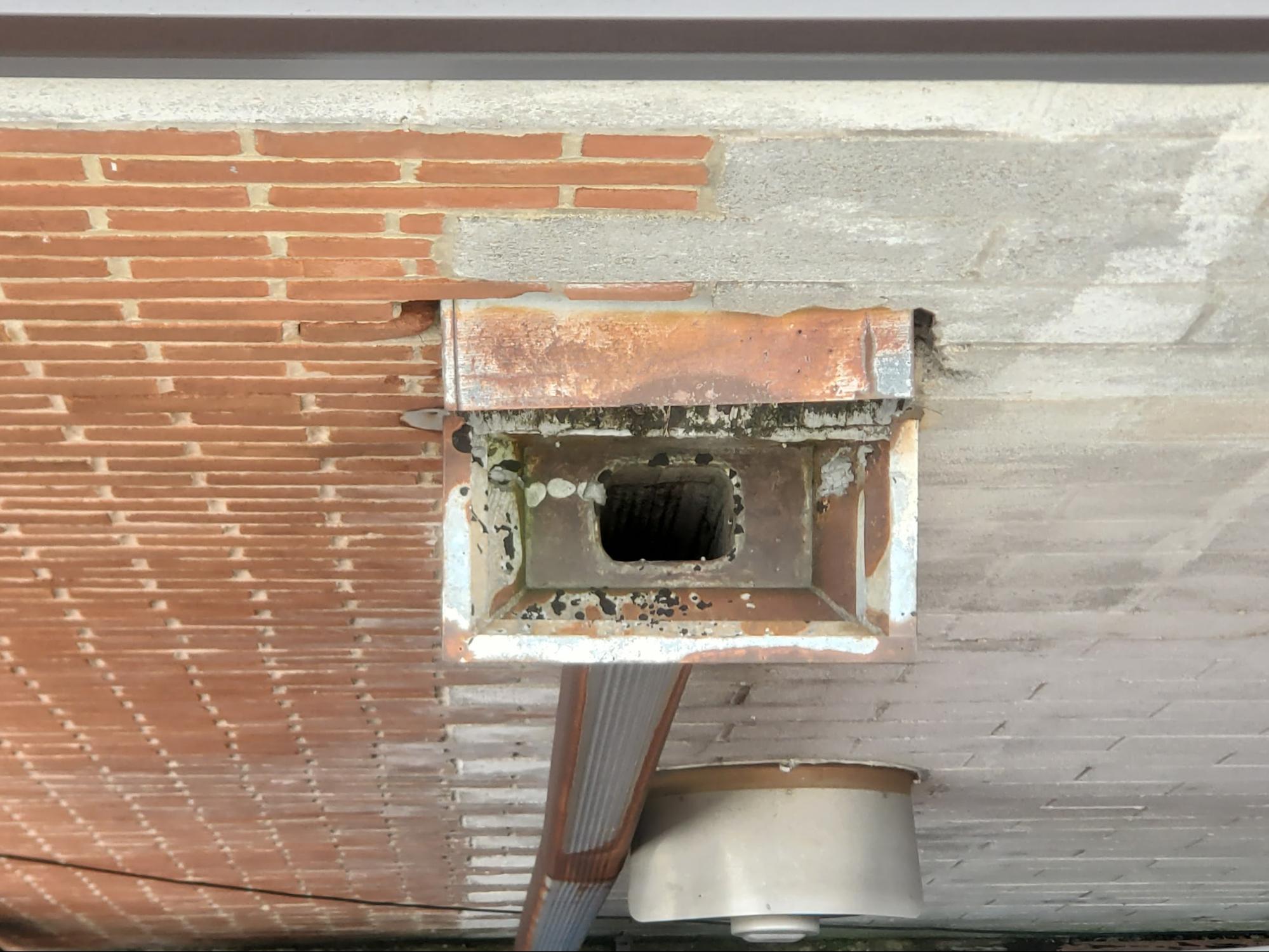
Humidity and coastal air exposure create corrosion and biological growth concerns for Baltimore warehouse roofing that are more acute than for inland cities. The Chesapeake Bay's influence on Baltimore's air brings elevated atmospheric moisture, and metal components, parapet cap flashings, edge metal, equipment curbs, can experience accelerated corrosion without proper coating and maintenance. Commercial roofing contractors in the Baltimore market typically specify hot-dip galvanized or aluminum sheet metal for exposed components rather than the plain steel that might be adequate in a drier inland market.
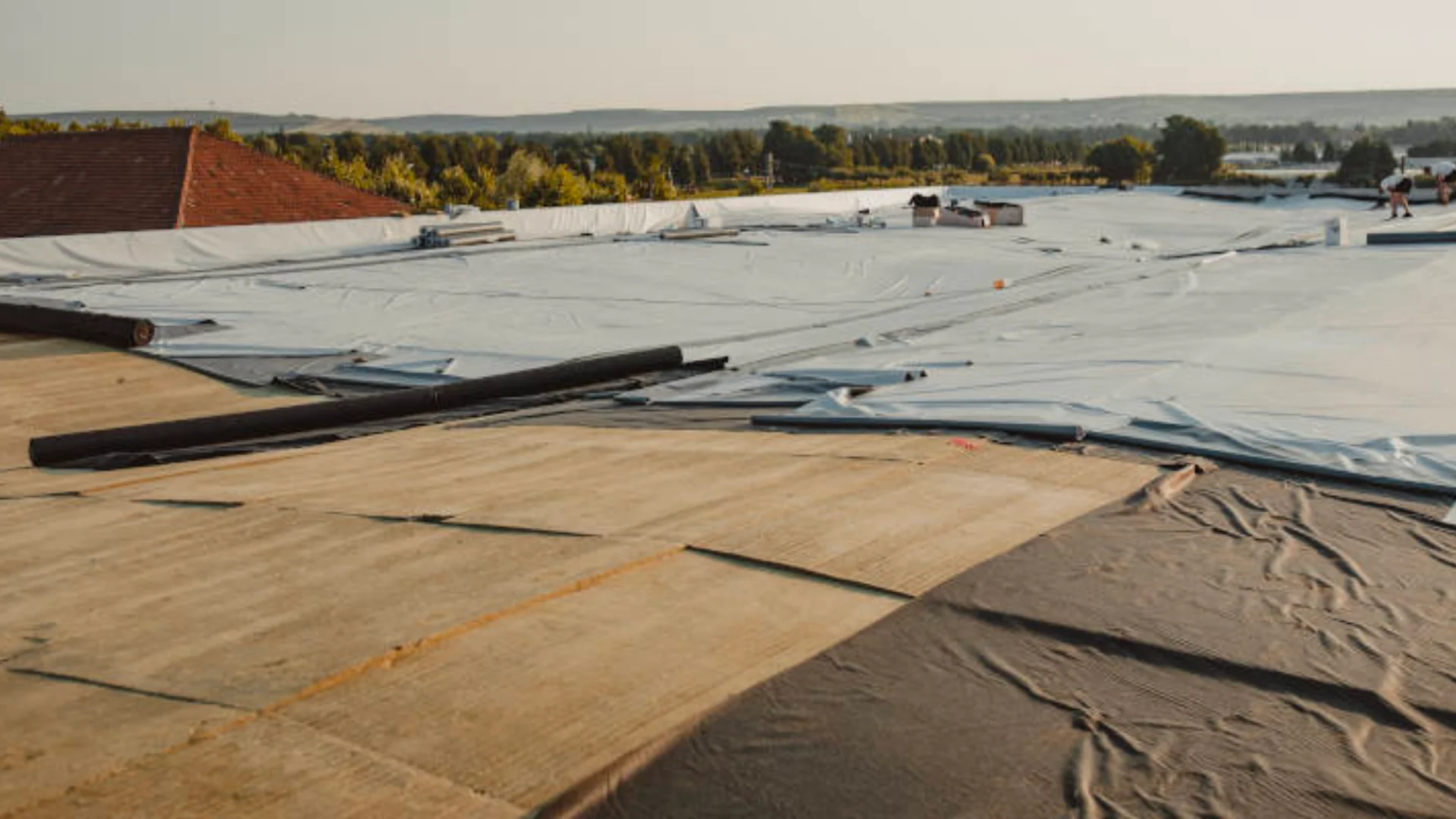
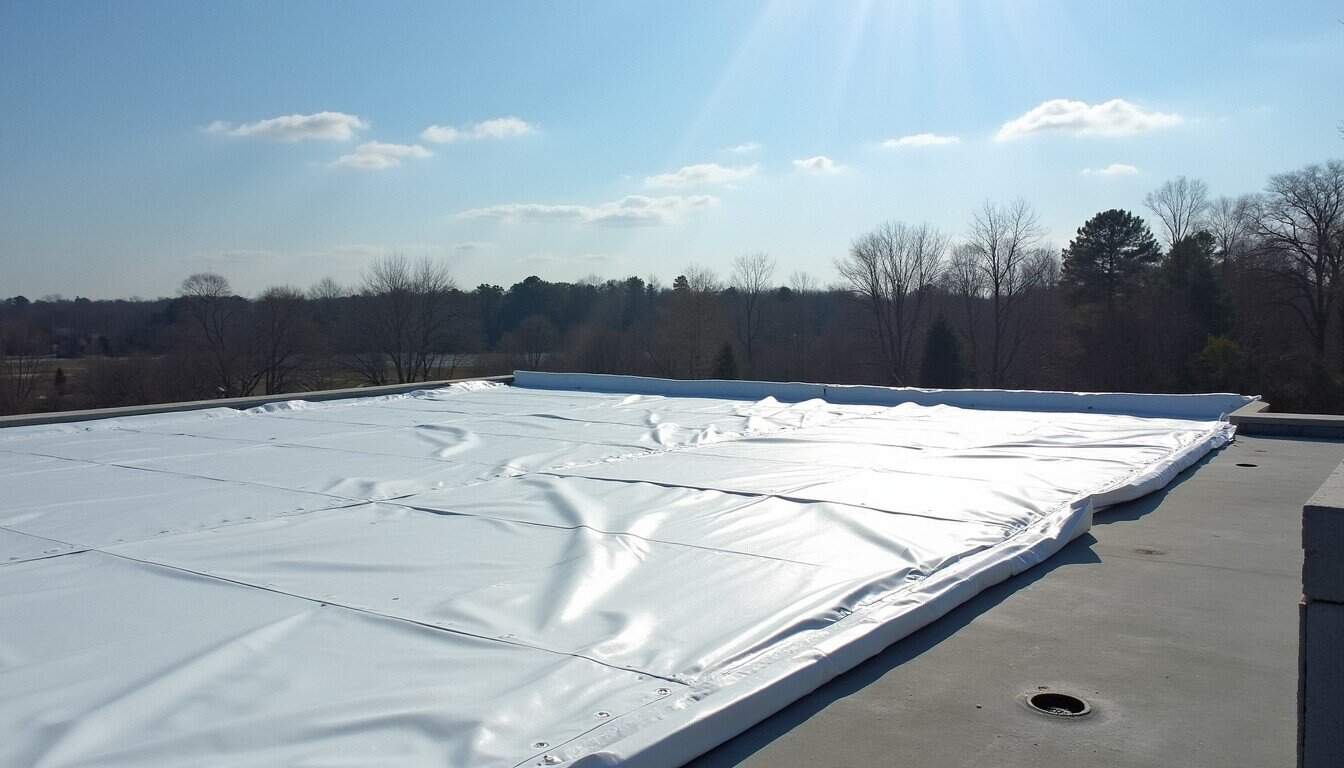
TPO is the dominant membrane for new warehouse construction in the Baltimore market, with heat-welded seams providing the freeze-thaw resistance needed for Maryland winters. For re-roofing projects on older Baltimore-area industrial buildings, EPDM remains a viable option where the existing substrate and budget favor a ballasted or adhered system. A key consideration in the Baltimore market is that several major commercial roofing manufacturers maintain regional distribution in the Mid-Atlantic, making material availability and lead times favorable for large warehouse projects compared to more remote markets.
Dock door and truck court flashing on Baltimore's large distribution centers must account for freeze-thaw cycling that can occur 30 or more times per winter season. The Mid-Atlantic is notorious for weather that oscillates above and below 32°F repeatedly through December, January, and February, and every freeze-thaw cycle creates a small stress event at flashing terminations. Metal counterflashings at dock canopy connections on Baltimore warehouses are detailed with expansion joints and flexible sealants that accommodate this repeated movement without fatiguing or cracking.
Snow removal from large warehouse roofs in Baltimore is an operational consideration that affects roofing system selection and maintenance planning. In years with heavy snowfall (Baltimore's record is over 77 inches in a single season), large distribution centers may need professional snow removal to prevent structural overload or ice dam formation at parapets. The roofing membrane must be compatible with mechanical or manual snow removal, specifically, it must resist the drag loads from roof rakes or blowers without tearing or separating from the substrate. Heavy-gauge fully adhered TPO performs better under snow removal conditions than mechanically-fastened systems with exposed fastener heads.
Energy efficiency standards for Baltimore warehouse roofing follow Maryland's adoption of ASHRAE 90.1. Baltimore falls in ASHRAE Climate Zone 4A, with minimum insulation requirements of R-25 for low-slope commercial roofs. BGE (Baltimore Gas and Electric) has offered commercial efficiency programs that include incentives for above-code roof insulation upgrades at large commercial facilities. For a large climate-controlled distribution center operating through Baltimore's cold winters and hot summers, a well-insulated roof assembly with a reflective membrane delivers meaningful year-round energy benefits.
Cost per square foot for warehouse roofing in the Baltimore market is in the middle range for East Coast markets. TPO re-roofing on a large Anne Arundel or Baltimore County distribution center runs $7 to $12 per square foot installed; full tear-off with new polyiso insulation typically ranges from $14 to $20 per square foot. The presence of multiple established industrial roofing contractors in the Baltimore-Washington metro area creates competitive pricing, though union labor rates in the city of Baltimore itself push costs toward the higher end of the range for city-located properties.