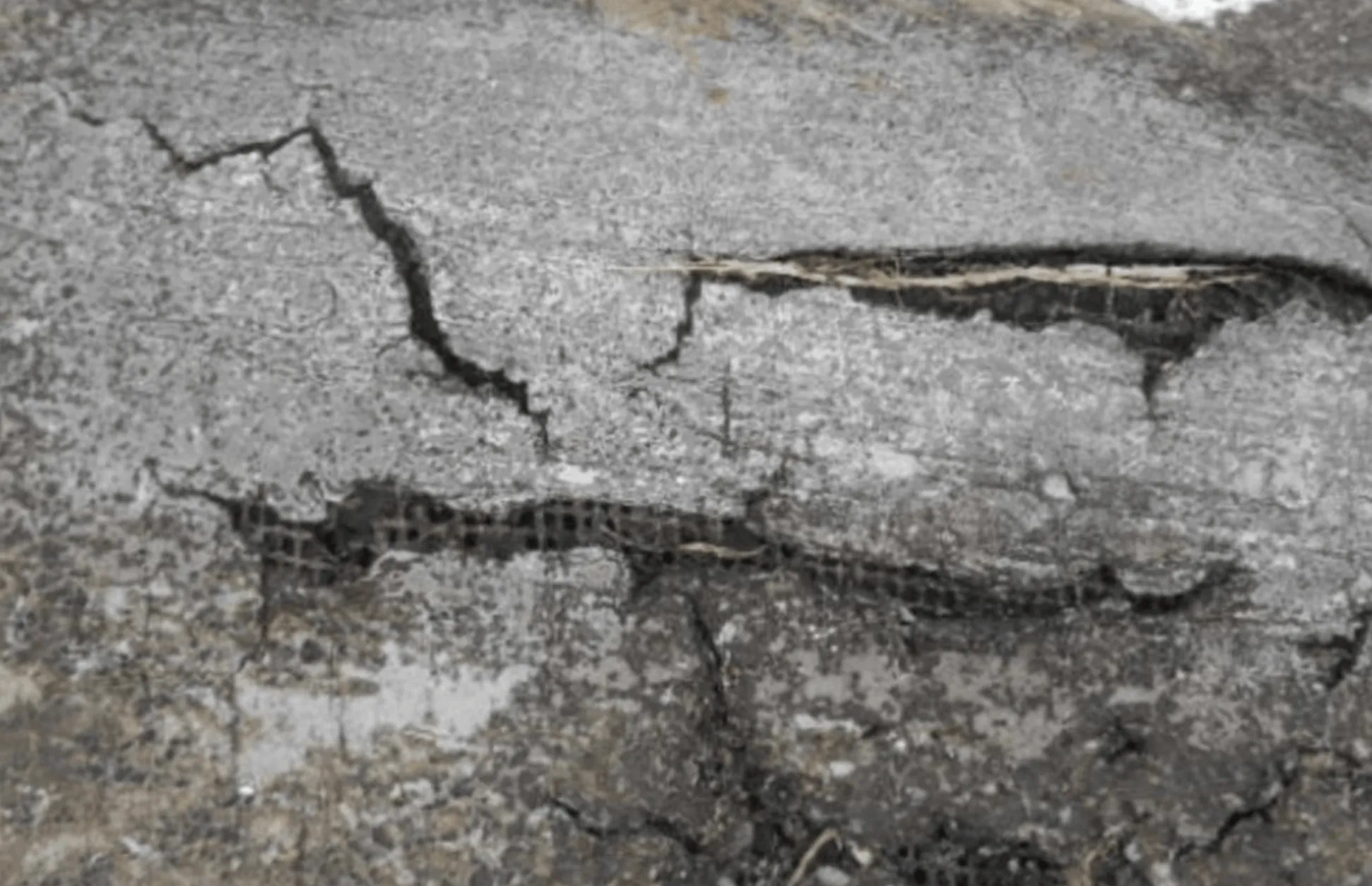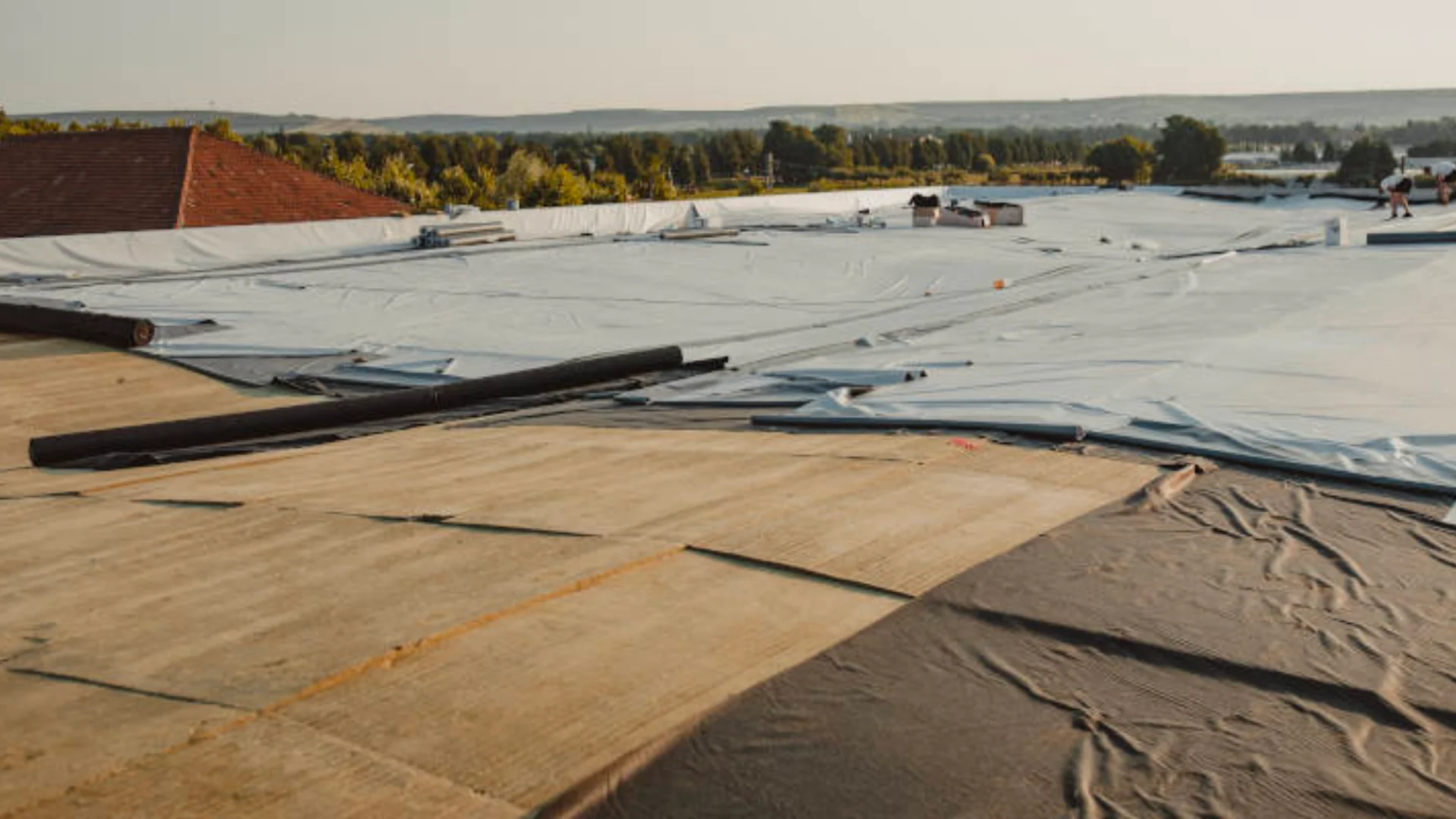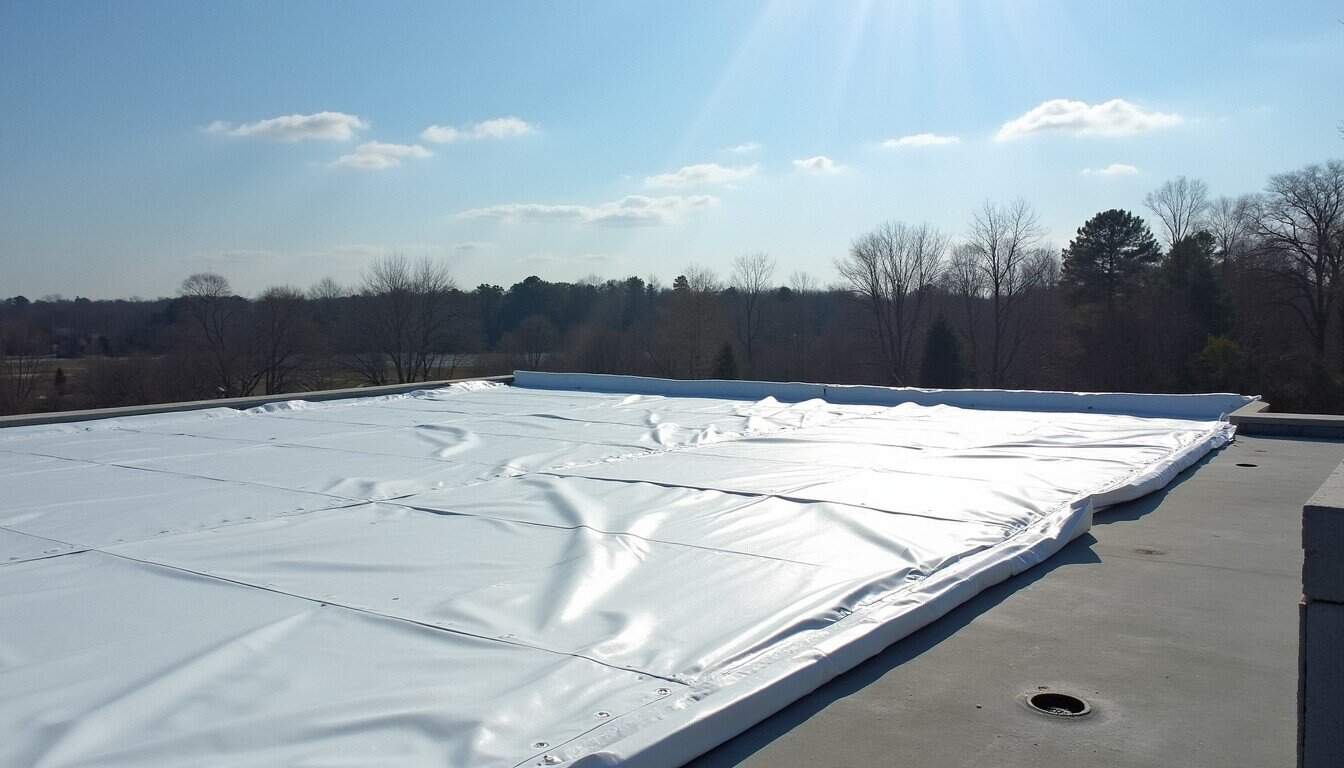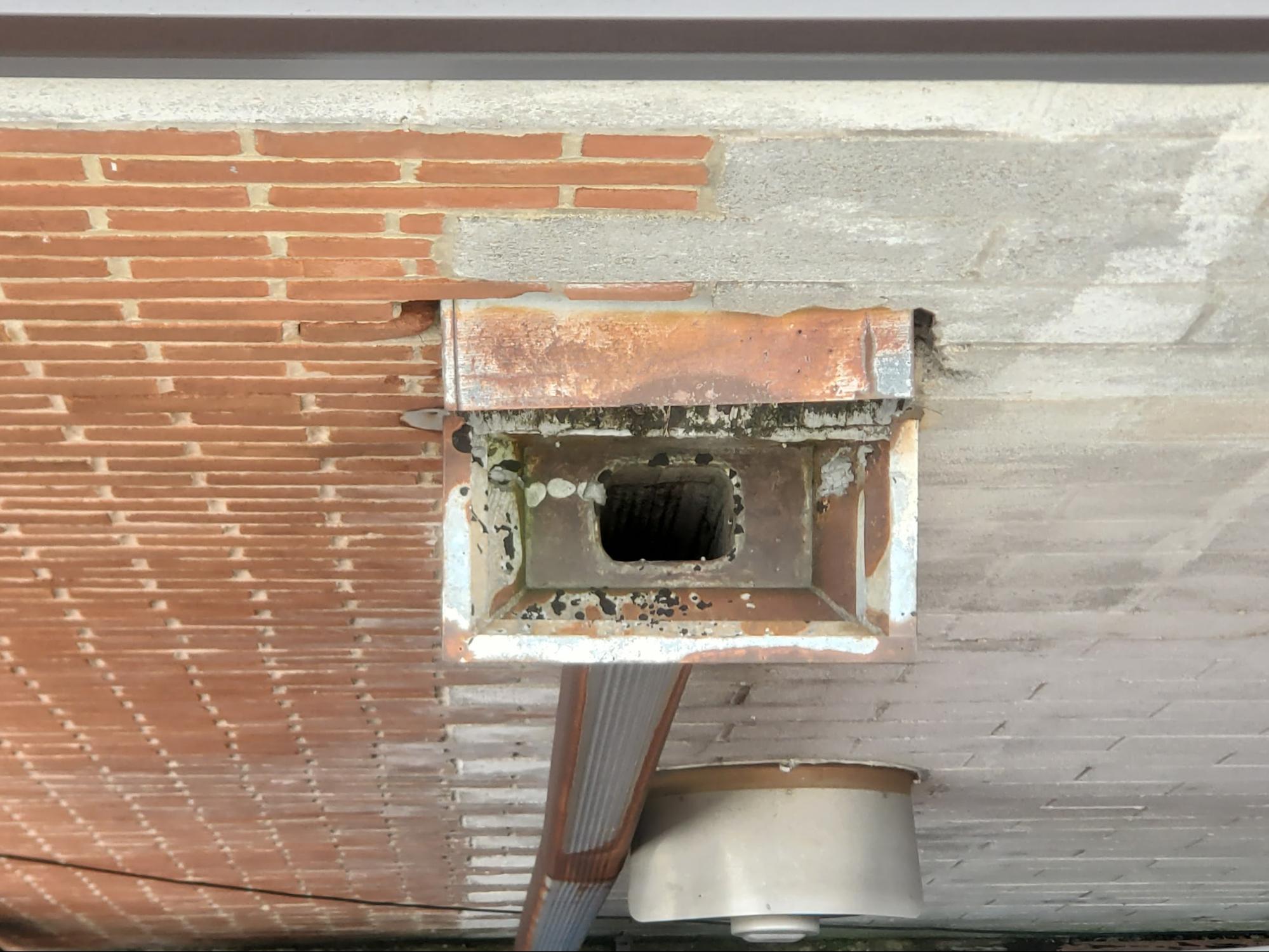
School and K-12 Educational Building Roofing starts with the actual roof condition.
Baltimore City Public Schools operates one of the most complex urban school building portfolios on the East Coast, serving more than 75,000 students in a city where the average school building age exceeds 60 years. The district's roofing challenges are substantial: a large inventory of pre-World War II masonry buildings with slate and built-up roofing systems, significant deferred maintenance accumulated over decades of constrained capital funding, and a Mid-Atlantic climate that delivers 44 inches of annual precipitation, aggressive winter freeze-thaw cycling, and summer humidity levels that complicate adhesive applications and membrane performance. The city-state partnership that created the $2.8 billion 21st Century Schools program has begun to address the most critical facility deficiencies, but the roofing backlog across Baltimore City Schools remains significant.
Maryland's school calendar provides a summer break of approximately ten weeks for Baltimore City Schools buildings, typically running from mid-June through late August. The district's facilities division has structured its summer roofing program to maximize this window through aggressive pre-season preparation: design and permits completed by May, materials procured and staged before June 15, and roofing contractor mobilizations scheduled for the third week of June when final student departures and building cleanout are complete. The early August humidity peaks in Baltimore, with dew points that exceed 70 degrees and relative humidity above 85 percent for days at a time, create adhesive application challenges that experienced Maryland contractors plan around rather than fight through.
Maryland's prevailing wage law applies to Baltimore City Schools public improvement contracts, and the district's procurement office includes prevailing wage certifications and payroll verification requirements in all qualifying contracts. The district's compliance monitoring under the 21st Century Schools program has been enhanced compared to previous capital programs, with dedicated program management staff who review certified payroll submittals monthly and flag non-compliance issues for prompt resolution. Contractors bidding Baltimore City Schools work who have not previously navigated Maryland prevailing wage compliance should engage a compliance consultant before submitting proposals; the record-keeping and submittal requirements are more detailed than in some other states, and first-time compliance failures can result in project stop-work orders.
Large flat and low-slope institutional roofs dominate Baltimore City Schools' mid-century and later building inventory, while the district's historic masonry school buildings carry pitched roofing systems, slate, tile, and standing seam metal, that require specialized contractor expertise that is increasingly rare in the market. The 21st Century Schools program has created a tiered approach: historic school buildings are often stabilized or rehabilitated with attention to maintaining historic character, while non-historic mid-century buildings are treated as candidates for complete roof system replacement with modern single-ply membranes. The classification of each building's historic status and the appropriate treatment for its roofing system should be confirmed with the Baltimore City Commission for Historical and Architectural Preservation before design is finalized.
Multi-building Baltimore City Schools roofing programs funded through the 21st Century Schools initiative are subject to a governance structure that involves both the City of Baltimore and the State of Maryland as funding partners, along with the City Schools' own board. This multi-stakeholder structure means that contract approvals move through more approval layers than a conventional single-authority school district, and project timelines must account for approval cycle time at each layer. Program management staff who understand all required approval pathways and pre-populate approval calendars with submission deadlines and expected turnaround times are essential for keeping multi-building programs on schedule in this governance environment.
Annual budget cycle timing for Baltimore City Schools roofing capital spending has been regularized under the 21st Century Schools framework, which provides multi-year capital authorization that reduces the uncertainty of annual appropriation cycles that plagued the district's earlier capital programs. The stability of multi-year funding authorization allows facilities planners to develop two-to-three-year roofing programs with confidence that the capital will be available, rather than designing projects that may be cancelled if a single-year appropriation is reduced. Baltimore City Schools' facilities leadership uses this planning stability to develop contractor relationships and material procurement strategies that produce better pricing than emergency reactive procurements.
Occupied school safety for Baltimore City Schools fall and spring shoulder-season work must address the specific physical constraints of urban Baltimore school sites, where building setbacks from the public sidewalk may be minimal and student arrival and dismissal traffic flows through paths immediately adjacent to building walls below active roofing work. Baltimore City's Department of Transportation requires right-of-way permits for any construction activity that affects the public sidewalk, including overhead protection structures that may be needed to allow pedestrian access below elevated work areas. The district's facilities division includes a right-of-way coordination checklist in its standard contractor pre-mobilization requirements for all city-center school projects.
Asbestos management is a primary concern for Baltimore City Schools' extensive pre-1980 building inventory. Maryland's AHERA implementation, environmental compliance requirements, and the specific asbestos management plans maintained for each Baltimore City Schools building must all be reviewed before any roofing scope is finalized. The district's environmental health office maintains building-specific asbestos records and should be included in the pre-bid site visit for any project involving pre-1980 construction. Abatement scopes identified during pre-bid review must be incorporated into bid documents with accurate quantity estimates; imprecise abatement scopes are a primary driver of change order disputes in Baltimore City Schools roofing programs.