Small repairs cost hundreds. Leaks cost tenants.
Almost every commercial roof leak we chase in Baltimore started life as a repair that would have cost a few hundred dollars, an open seam lap the width of a hand, a cracked sealant bed around a pitch pocket, a drain half-buried in debris. By the time water reaches a ceiling tile, that same defect has soaked insulation, tracked thirty feet along the deck, and grown into a five-figure scope with an unhappy tenant attached. A roof service agreement closes that gap. It puts our crew on your roof on a schedule, with materials on the truck, so the small stuff gets fixed while it is still small.
Every visit is a working session, not a walk-through. Defects the crew can correct on the spot get corrected on the spot, and everything, found, fixed, or flagged, is photographed into a report you receive within two business days.
The defects we catch while they are still cheap
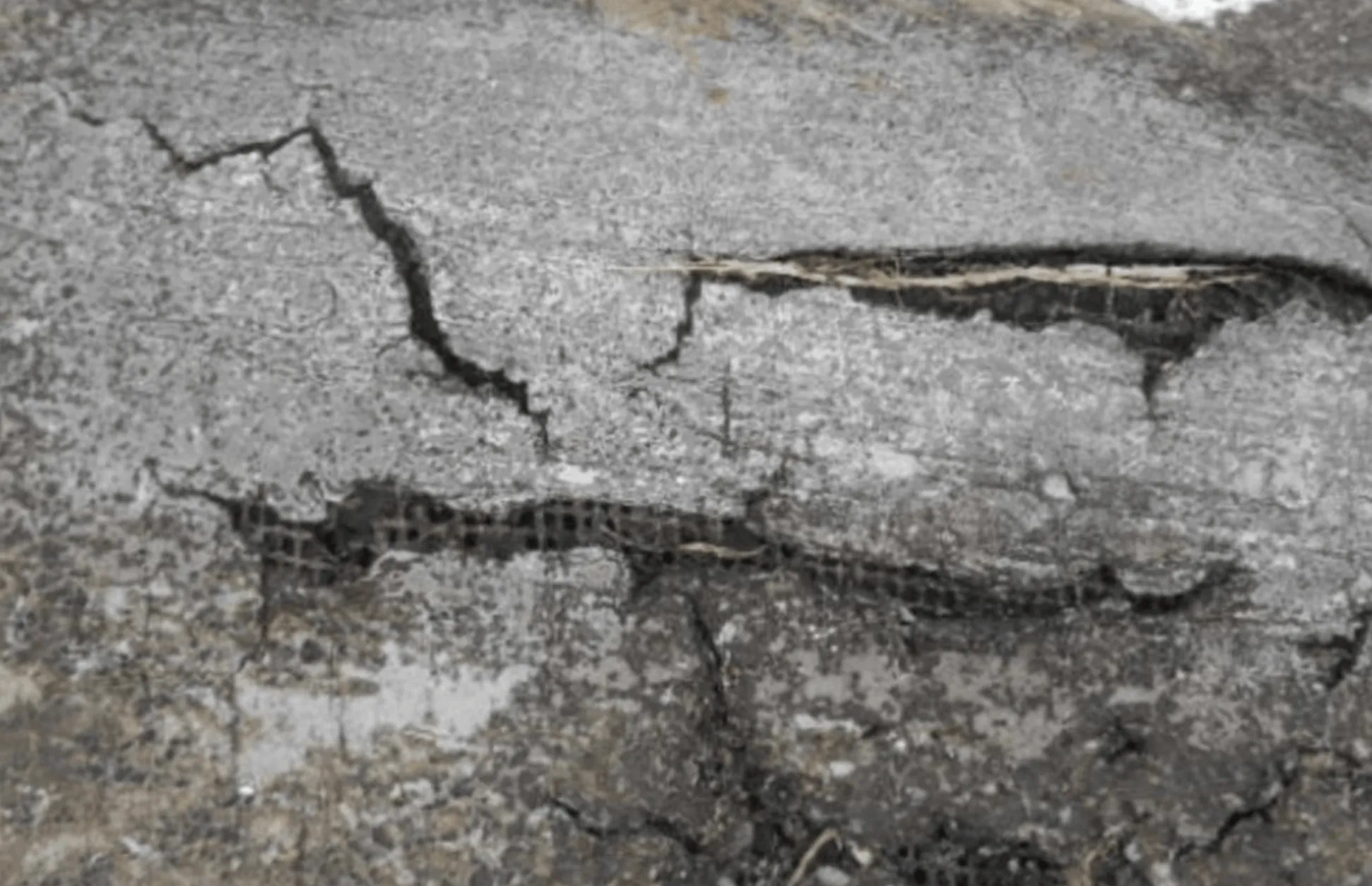
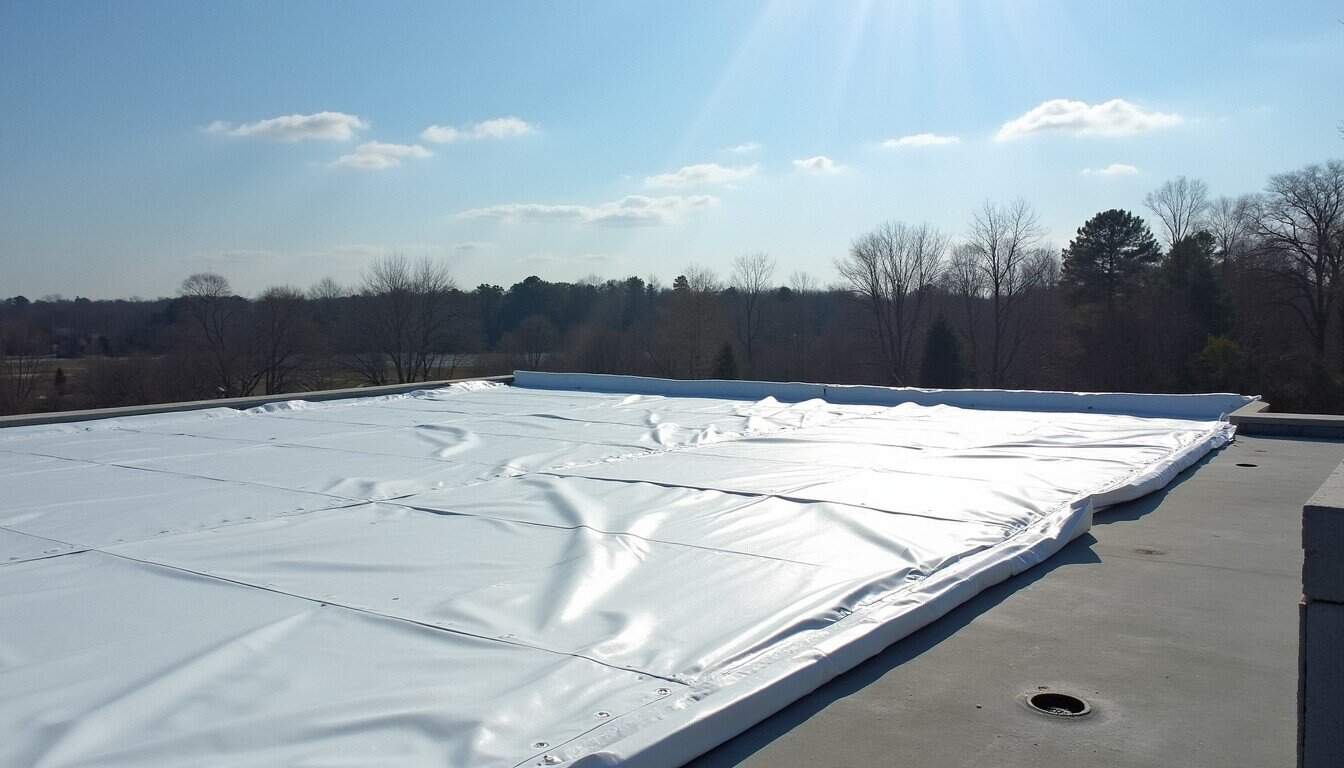
The list rarely surprises anyone who has owned a flat roof for a decade: field seams starting to fishmouth, sealant beds split by sun and age, edge metal worked loose by nor'easter gusts, punctures along the HVAC service paths, ponding rings widening around slow drains. Each one is a twenty-minute fix during a scheduled visit. Each one, left through a season of weather, is an insurance conversation.
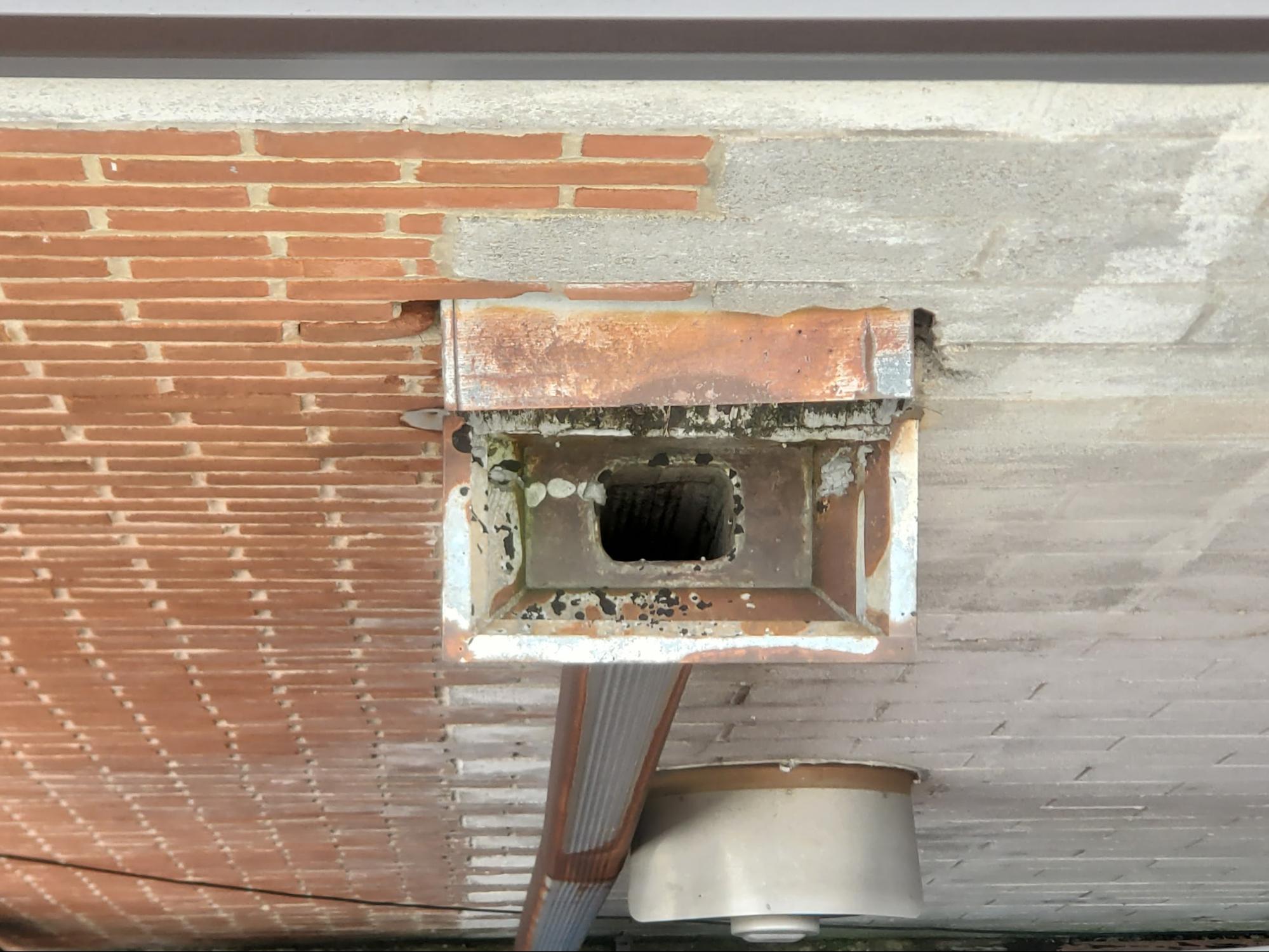
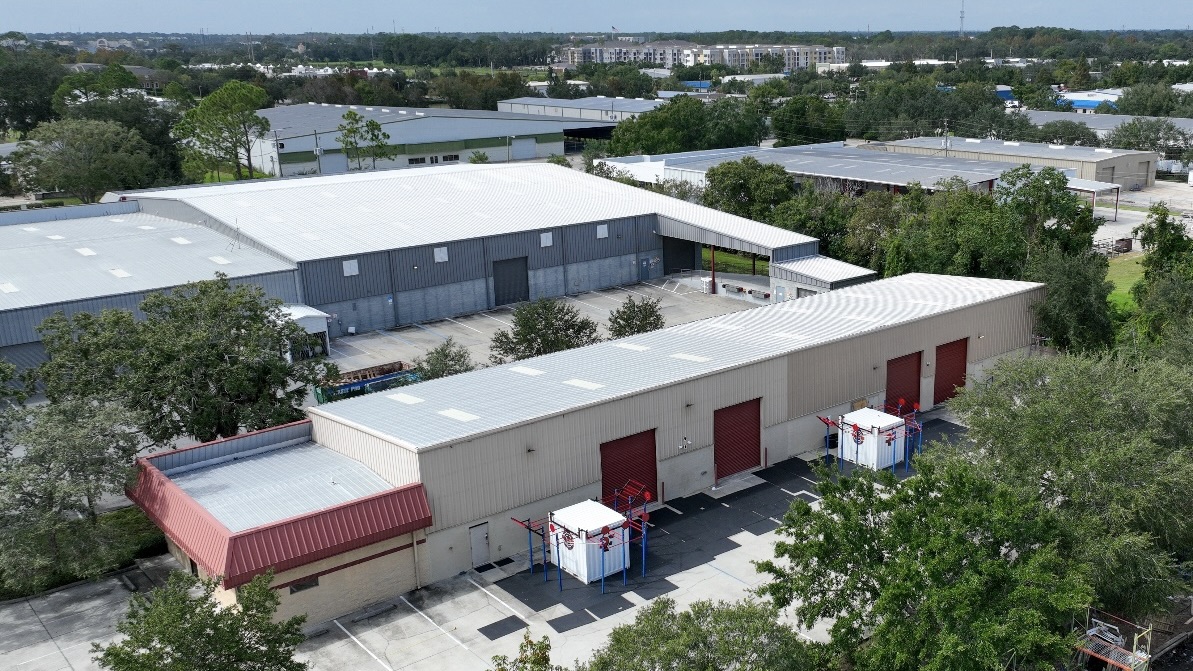
The building stock decides where we look hardest. Warehouse and distribution roofs along the I-95 and I-895 corridors carry huge membrane fields that collect debris at every parapet corner. Older masonry commercial blocks downtown put the trouble at copings, counterflashings, and brick parapets. Harbor humidity keeps sealants working year-round. The service file we build on your roof records which details are yours.
The visit schedule, including the pre-snow check
The agreement covers two scheduled service visits a year. The spring visit repairs what months of freeze-thaw opened up, such as laps, flashings, and masonry details, and confirms the drainage is running clean. The late-summer visit works the full field again after the heat has done its stretching. Then, before winter arrives, we make a shorter pre-snow stop: every drain and scupper cleared, membrane and flashings checked, so the roof carries snow load with no weak details underneath it. Owners who have watched a February thaw find an August defect understand why that third stop is on the calendar.
What the agreement covers
One flat annual price includes the scheduled visits and the pre-snow check, drain and scupper clearing at every stop, sealant and flashing touch-ups, small membrane repairs completed during the visit, and the photo-documented report after each one. Agreement holders also move to the front of the emergency dispatch list, when a storm drops a branch through a roof at 2 a.m., the buildings we already know get crews first. Most owners find the annual figure lands below the cost of a single reactive leak call with interior cleanup attached.
Questions owners ask before signing
What counts as a small repair? Anything the crew can finish during the visit with the materials on the truck, membrane patches, lap repairs, flashing reseats, re-caulked terminations, cleared drains. It is a generous definition, because finishing it now is cheaper for everyone than mobilizing twice.
What happens when the crew finds something bigger? It gets photographed, measured, and priced in the visit report. Nothing beyond the included scope happens without your written approval, and agreement holders get first slot on the repair schedule when they do approve.
Is a four-year-old roof too new for this? The opposite: young roofs are the cheapest to keep healthy, and most manufacturer warranties expect documented maintenance from year one. Skipping service on a new roof is how a twenty-year membrane becomes a twelve-year membrane.
To put a price on it, call (410) 941-3497 or send the building address through the contact page. We will walk the roof, note its condition, and quote the agreement as one flat annual number.