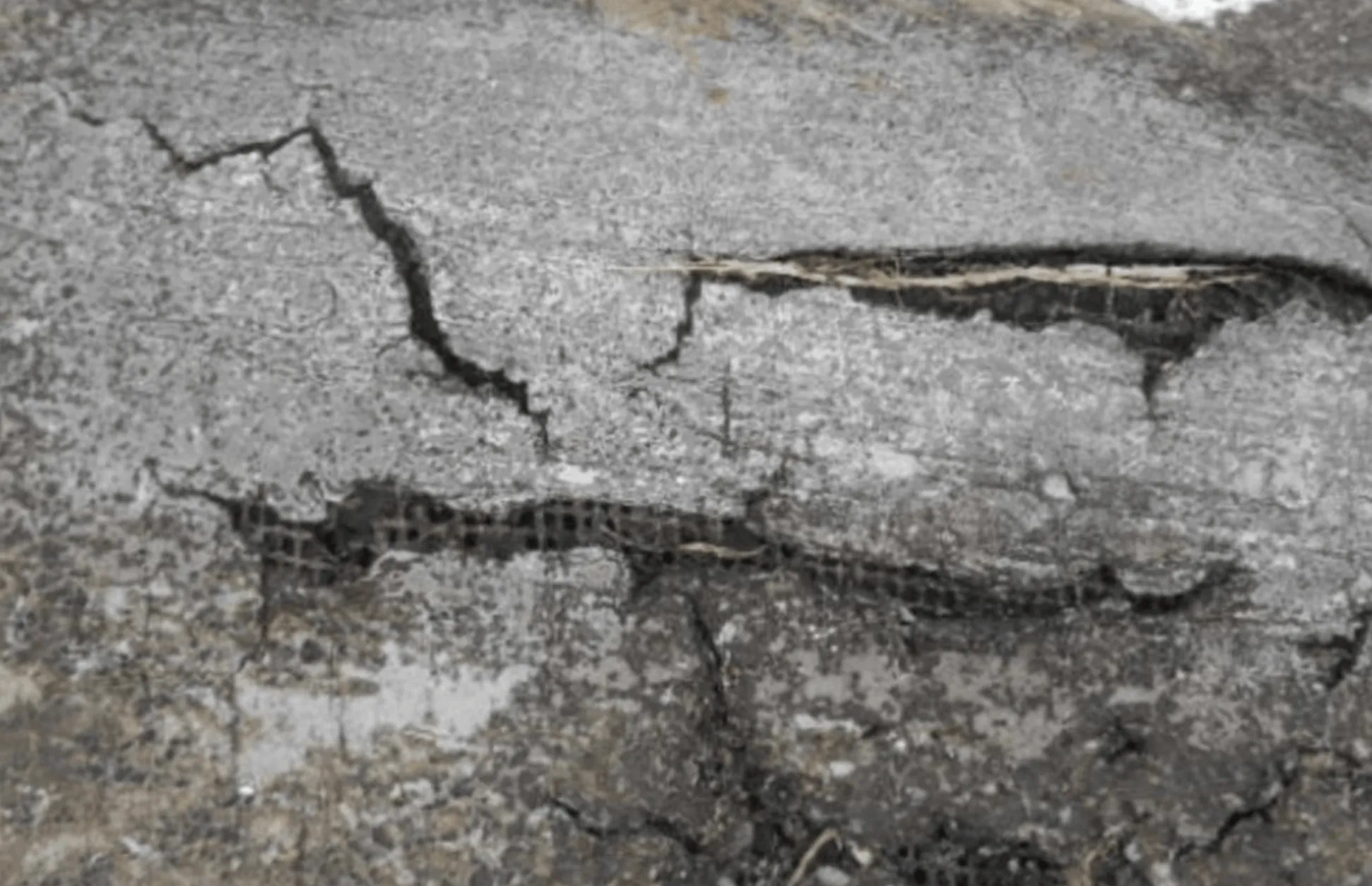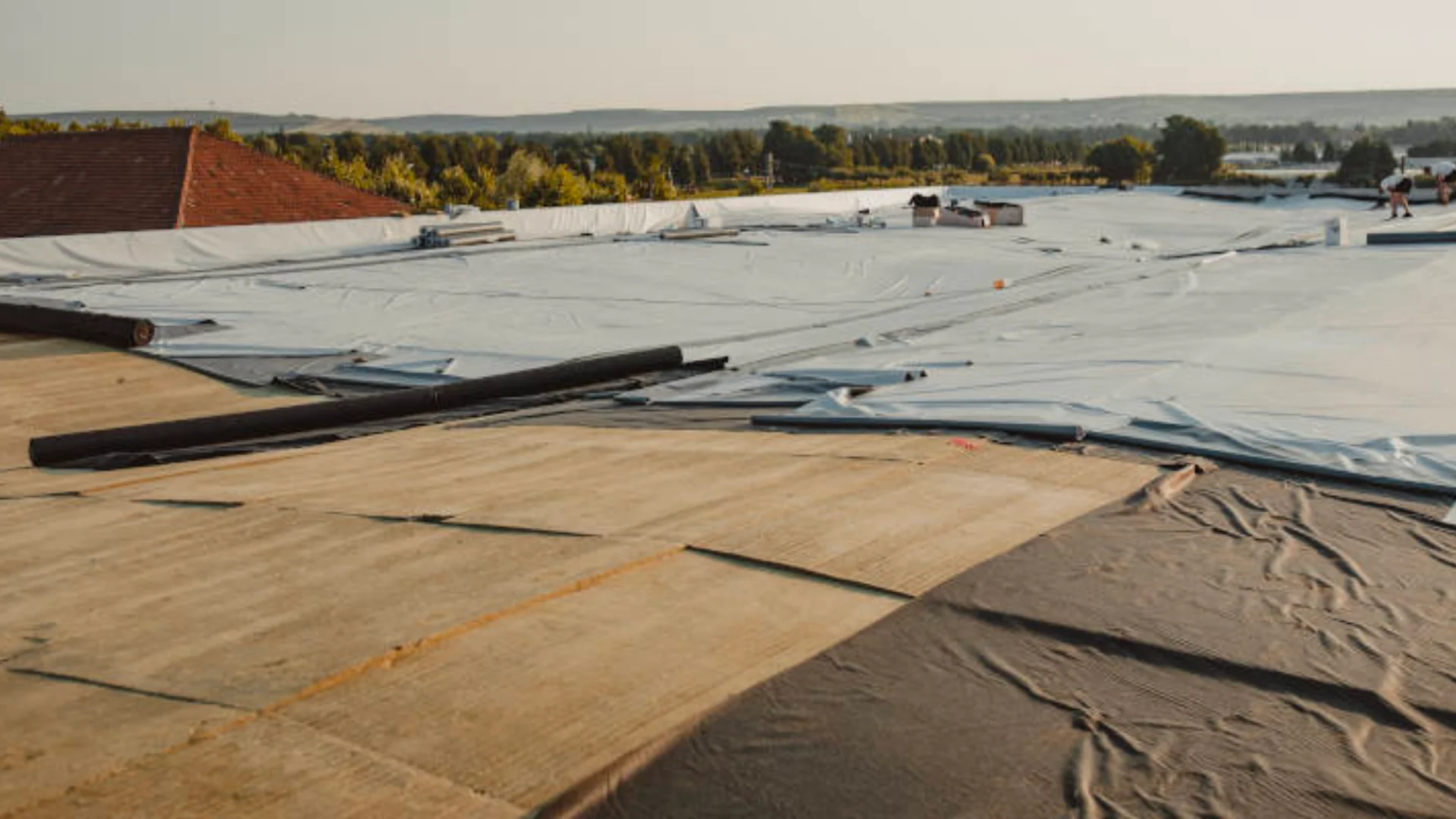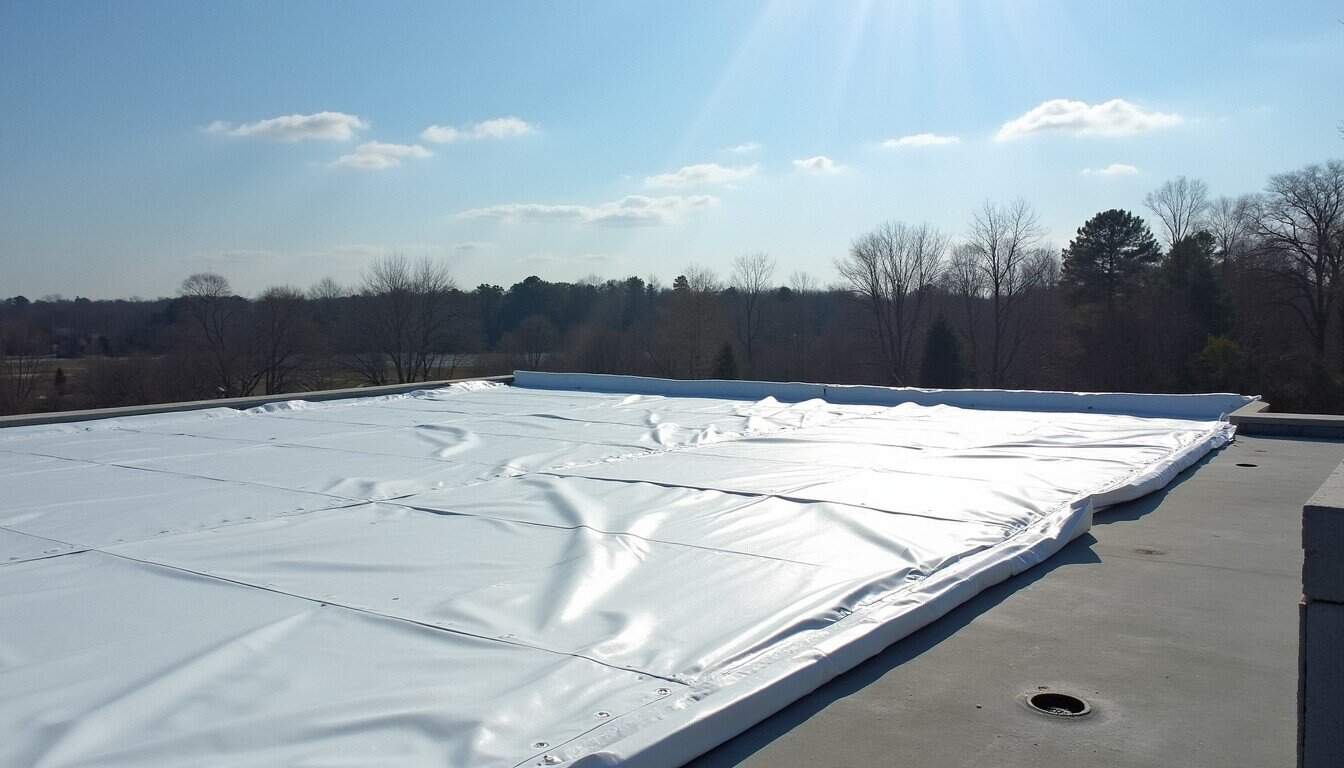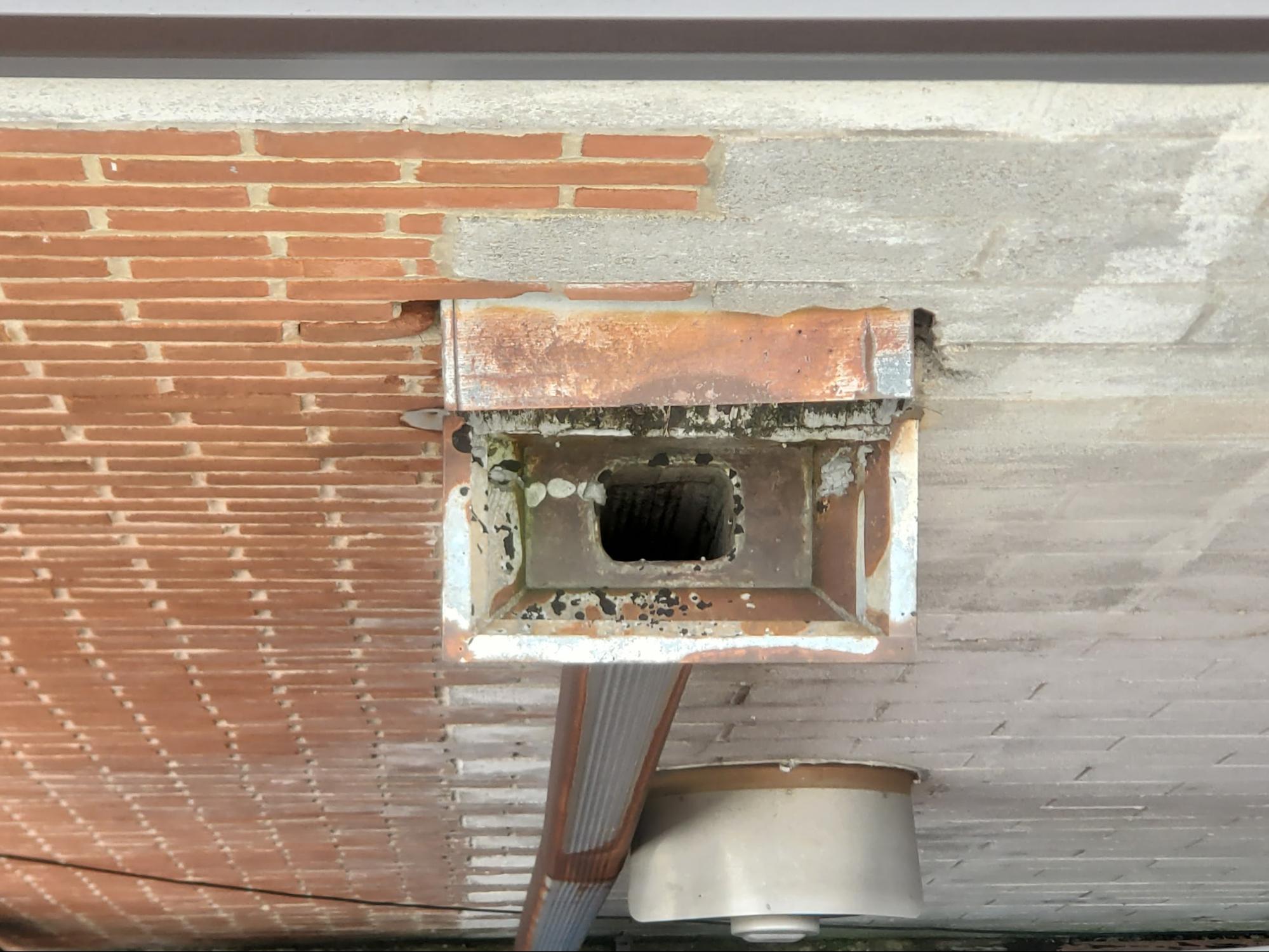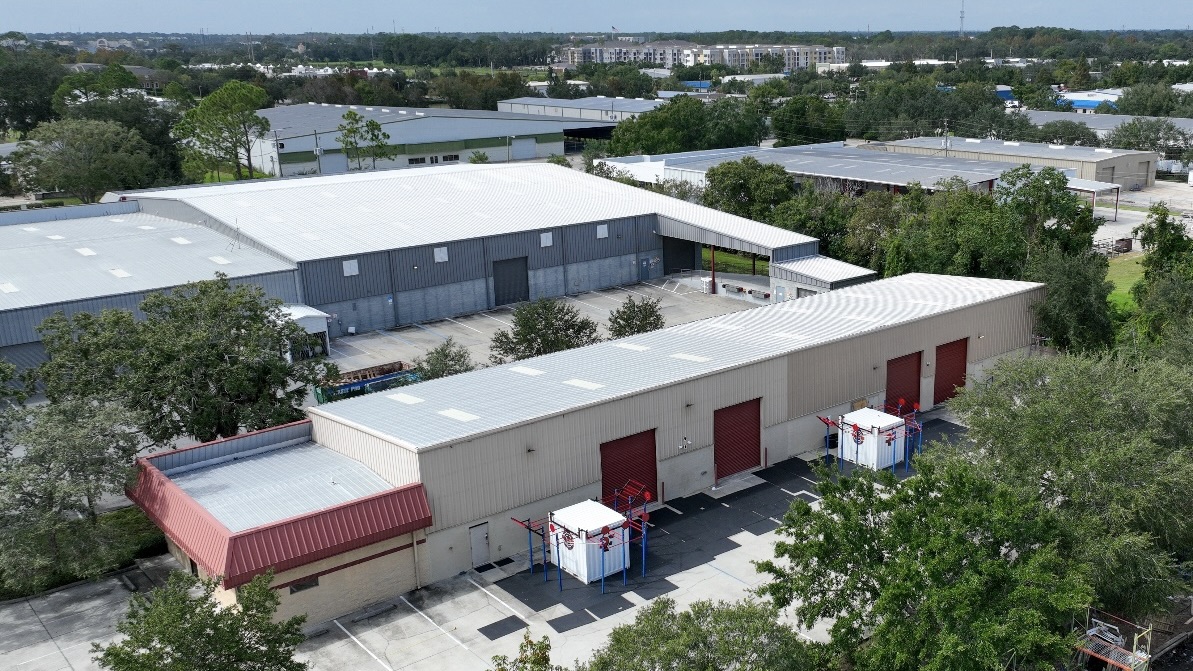
Multifamily and Apartment Building Roofing starts with the actual roof condition.
Baltimore's multifamily housing stock is unlike almost any other major market on the East Coast, a dense patchwork of rowhomes converted to multi-unit rentals, century-old apartment buildings in neighborhoods like Charles Village and Hampden, and postwar brick walk-ups spread across communities from Pigtown to Parkville. Investors assembling Baltimore City rental portfolios quickly discover that roofing is rarely a simple replacement project. Many rowhouse conversions have modified bitumen cap sheets over original slate and wood deck systems, and the flashing conditions at party walls and interior gutters are almost always more complicated than a visual inspection from the street suggests.
The mid-Atlantic climate delivers a full range of roofing stressors to Baltimore apartment buildings. Nor'easters dump wet, heavy snow that loads flat roof drainage systems beyond their design capacity when drains are partially blocked. Summer humidity and heat create thermal cycling stresses on EPDM seams on the flat sections common on postwar apartment buildings in Loch Raven, Govans, and Edmondson Village. Property management companies overseeing large portfolios in these neighborhoods know that deferred gutter and drain maintenance during the fall sets up preventable spring leak events that cascade into tenant habitability complaints and potential Housing Court exposure.
Real estate investors acquiring Baltimore City apartment buildings through sheriff's sales or REO channels frequently encounter properties where roofing maintenance has been deferred for a decade or more. The combination of a compromised roof membrane, failed interior gutters on rowhouse conversions, and water-damaged masonry at parapet copings creates a remediation sequence that has to be addressed in the right order, masonry and flashing first, then membrane, then interior finishes, or the subsequent repairs undo each other. We've assessed dozens of Baltimore properties where previous owners replaced interior ceilings without addressing the active roof leak driving the damage, a pattern that shows up in building permit histories for distressed acquisitions.
For institutional investors and private equity groups acquiring larger apartment buildings in Baltimore neighborhoods like Station North, Remington, or along the York Road corridor, the pre-acquisition roof inspection report is a capital planning document as much as a due diligence checklist. Lenders on Baltimore multifamily deals increasingly require a roofing condition report as part of the environmental and property condition assessment package, particularly for buildings constructed before 1980 where built-up roofing systems are common. We prepare reports formatted to meet ASTM E2018 property condition assessment standards, which satisfies most commercial lender requirements without requiring a separate third-party assessment.
HOA-governed condominium communities in Baltimore County suburbs, Towson, Catonsville, and the Pikesville corridor, face a different set of challenges than city rental portfolios. Many suburban Baltimore condo associations have underfunded reserves because boards approved artificially low monthly assessments for years, and deferred roof replacement is often the single largest unfunded liability they carry. When a condo association board in Lutherville or Timonium contacts us about a failing roof on a 1970s-era low-rise building, the conversation almost always turns to how to phase the work over multiple fiscal years or explore reserve loan financing, because a special assessment large enough to cover a full reroof is politically unpalatable to homeowners who bought assuming assessments would stay flat.
Modified bitumen roofing remains the most common membrane system on Baltimore's smaller apartment buildings and rowhouse conversions, and it performs reasonably well in the mid-Atlantic climate when properly maintained. Granule loss on the cap sheet surface, exposed base sheet at field laps, and open blisters at aggregate-surfaced sections are the most common deterioration signs we document. Property managers using preventive maintenance checklists should include a bi-annual close-up inspection of cap sheet laps and all flashings, because small open laps that cost a few hundred dollars to seal become water infiltration points that eventually require full section replacement.
Baltimore's older apartment buildings frequently have complex rooftop configurations, elevator penthouses, multiple HVAC curbs, skylights over common stairwells, and decorative parapets with terra cotta or limestone copings, that require a roofer experienced with historic urban building stock. A contractor who primarily works on suburban commercial buildings may not be familiar with the interior gutter systems common on pre-1940 Baltimore apartment buildings or with the lead flashing details used at chimney and party wall intersections. We've documented workmanship failures on Baltimore multifamily roofs where a contractor unfamiliar with city building conventions created new water infiltration points by replacing period-appropriate details with modern materials that don't interface correctly with the existing assembly.
Insurance restoration work on Baltimore apartment roofs follows the same patterns seen across the mid-Atlantic: wind events during spring thunderstorm season cause flashing displacements and membrane punctures, while the occasional severe hail storm leaves impact damage on modified bitumen surfaces that requires careful documentation to distinguish storm damage from pre-existing granule loss. Property managers who file claims on roofs that were already in marginal condition sometimes face partial claim denials on the basis of pre-existing deterioration, which is why a documented baseline inspection report from before storm season is worth far more than its cost when a claim year arrives.