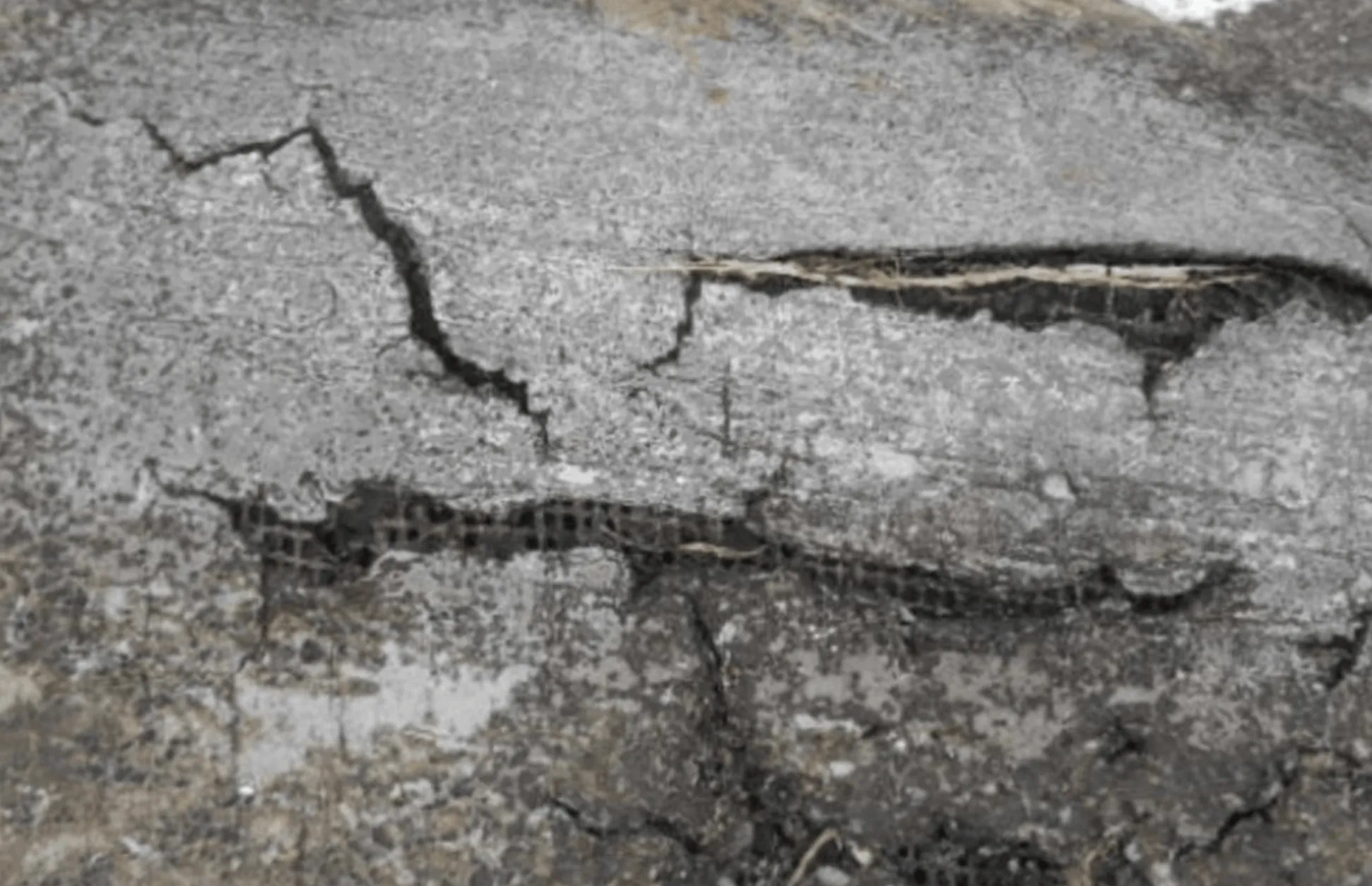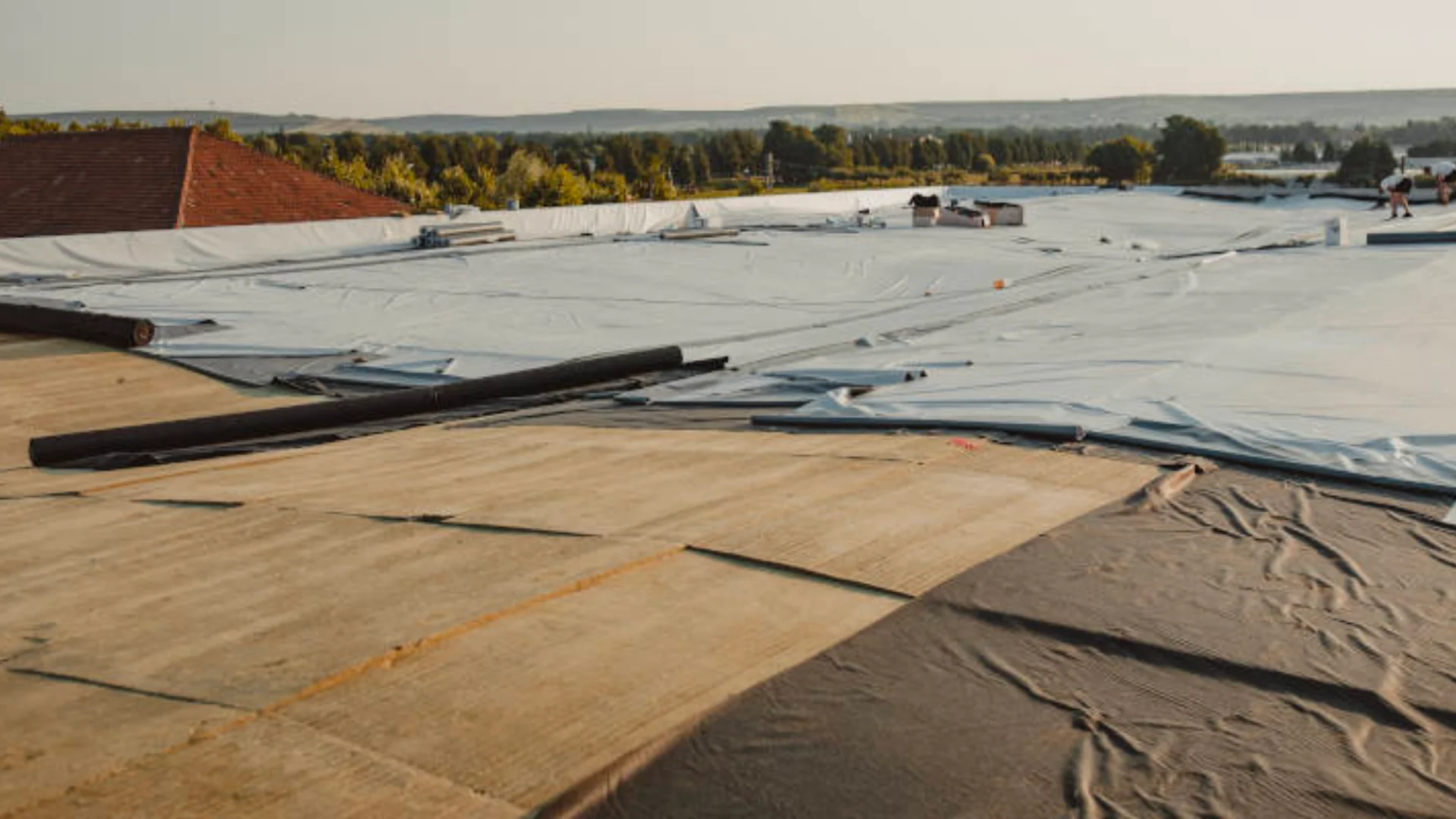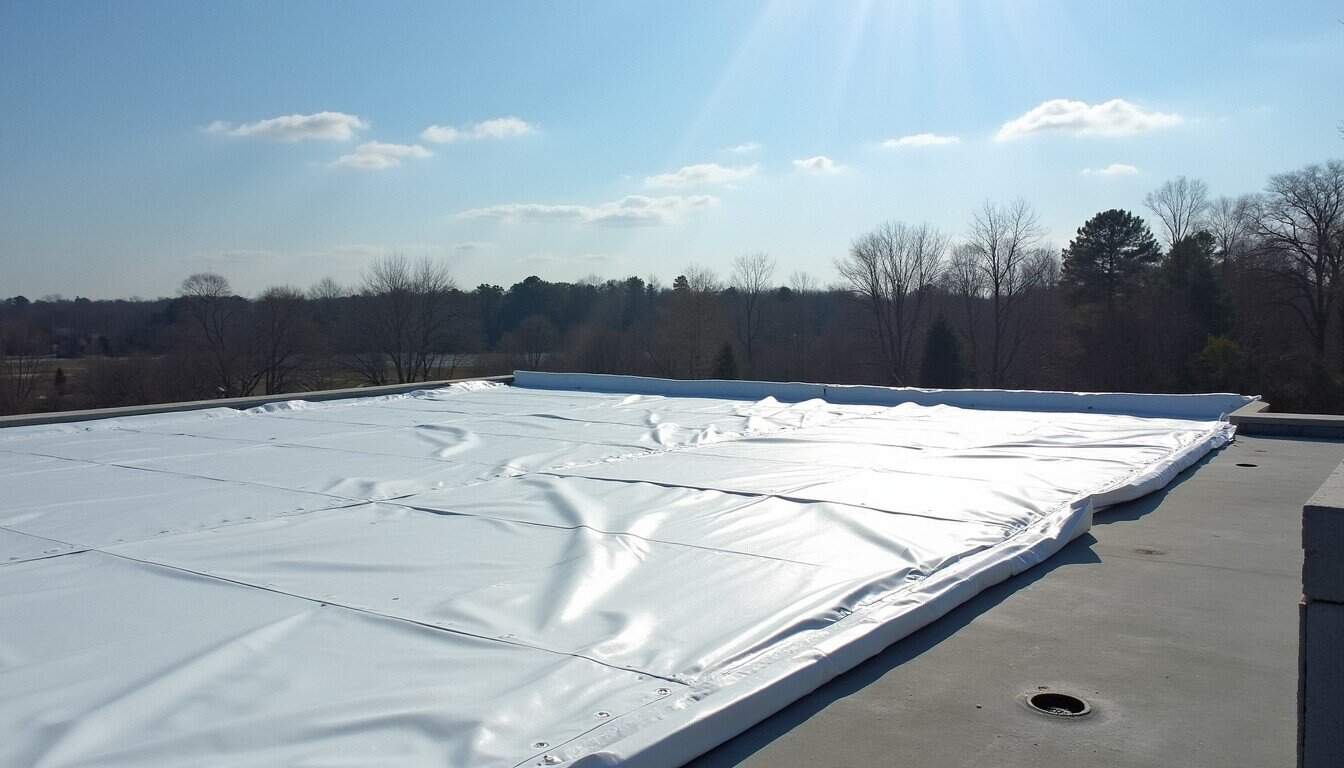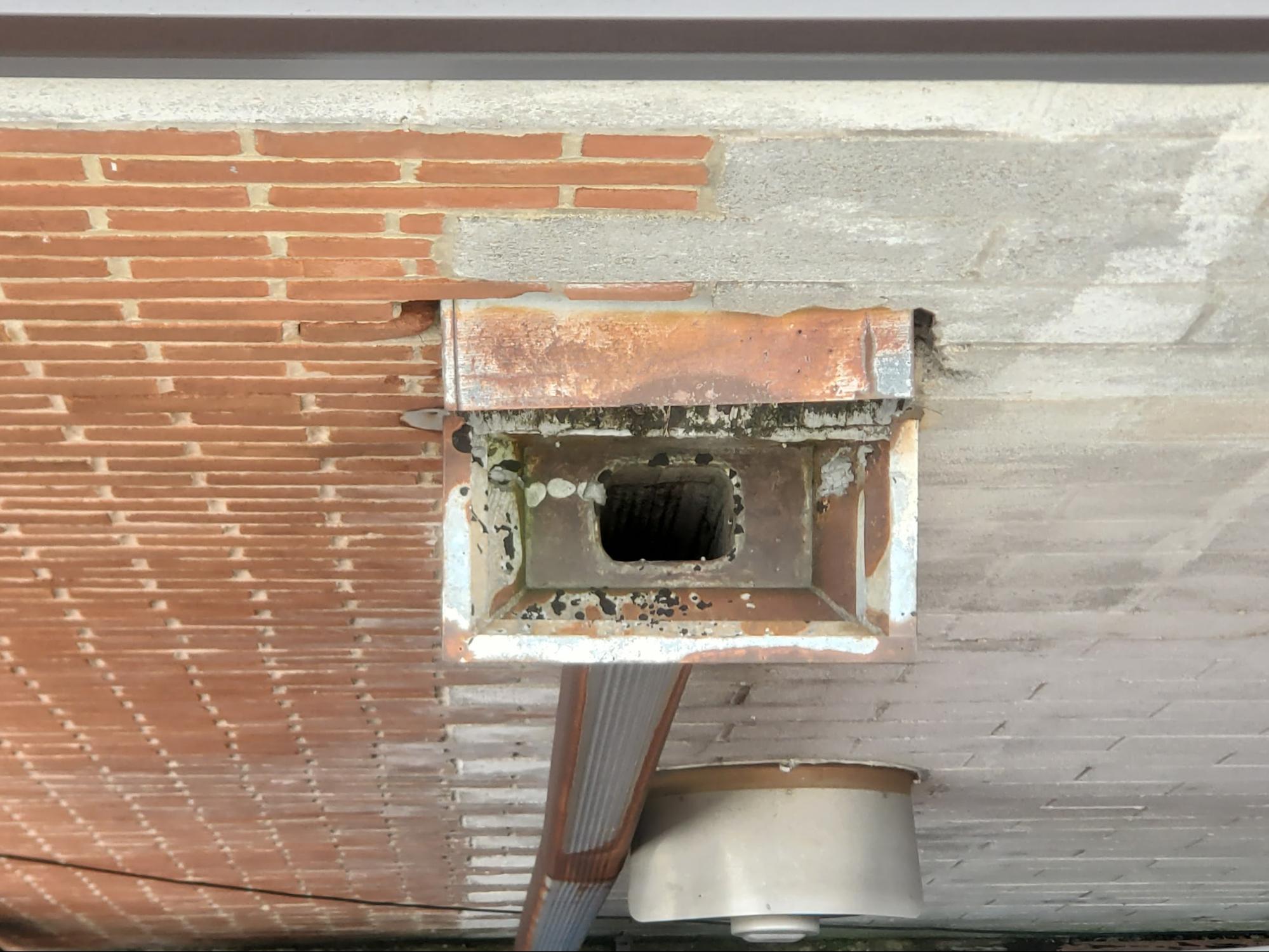
Mixed-Use Development Roofing starts with the actual roof condition.
Baltimore's mixed-use development landscape spans a remarkable range of building types, from the brick rowhouse-scale infill projects along Station North's arts corridor to the large-format transit-oriented developments rising around the Lexington Market Purple Line station and the Port Covington megaproject reshaping the southern waterfront. What these projects share is the fundamental complexity of stacking occupancies, retail, residential, office, and in Port Covington's case, hotel and life sciences, in a single structure that demands roofing expertise across every discipline simultaneously. The Chesapeake Bay watershed's climate delivers over forty inches of annual rainfall, significant snow accumulation from nor'easters that can deposit eighteen inches in a single event, and summer humidity that drives vapor through any building assembly with insufficient vapor management. Getting the roof right on a Baltimore mixed-use building is not a design afterthought; it is a primary building science challenge.
The retail-to-residential transition in Baltimore mixed-use buildings typically occurs at the first elevated floor slab, where the fire-separation assembly must achieve the rating required by Maryland's State Building Code adoption of the IBC. In buildings along the Baltimore Development Corporation's priority corridors, the structural engineer typically specifies a poured-concrete deck at this transition, which provides the thermal mass and fire resistance the assembly requires. The roofing contractor's role at this plane is to install a continuous waterproofing layer that protects the concrete deck from moisture infiltration from below, a condition that occurs in Baltimore's humid summers when ground-level retail creates higher vapor pressure than the residential floors above. Properly locating and installing the vapor retarder at this transition is a sequence-sensitive task that must be confirmed with the building's design team, not assumed from a standard detail.
Baltimore's adaptive reuse projects span the full spectrum from ground-up reconstruction within preserved masonry shells to genuine occupancy-while-occupied conversions of functioning commercial buildings. The conversion of the former Bethlehem Steel structures at Sparrows Point, the renovation of historic warehouse blocks in Fells Point, and the transformation of the old Sears Roebuck distribution center at Park Circle all required roofing contractors to confront multi-layer legacy assemblies on structural systems that were never designed for modern occupancy densities. Pre-construction investigation at these sites must include review of historical permits at the Baltimore City Department of Housing and Community Development, infrared moisture scanning across all accessible roof areas, and core samples sufficient to characterize the existing assembly across different sections of the building where construction history may have diverged.
Green roof systems are actively encouraged on Baltimore mixed-use projects through the city's Stormwater Management regulations, which require projects above one acre of disturbed area to provide water quality and quantity control. Green roofs qualify as Environmental Site Design best management practices under Maryland's stormwater guidelines, and the water quality volume provided by a vegetated roof can substitute for equivalent ground-level retention infrastructure. For infill mixed-use projects in Baltimore's dense urban neighborhoods, where lot coverage requirements leave minimal ground area for stormwater management features, the green roof credit can be the difference between a project that pencils out and one that does not. The roofing contractor who understands this regulatory context can add genuine value to the project team's design process, not merely respond to a specification already written.
Rooftop amenity decks on Baltimore mixed-use buildings serve a leasing function that is particularly valuable in the competitive Harbor East and Locust Point apartment markets, where rooftop views toward the Inner Harbor and the Patapsco River command premium rents. The waterproofing beneath these decks must perform reliably under the full range of Baltimore weather conditions, from summer humidity and thunderstorms to the ice storms that can coat a rooftop deck with two inches of freezing rain. Pedestal-mounted paver systems are common on Baltimore amenity decks because they provide the access to inspect and repair the waterproofing layer beneath without demolishing the finished surface, and this maintainability advantage justifies their premium cost on buildings where the amenity deck is a significant income driver.
Multi-stakeholder coordination in Baltimore's mixed-use market is often complicated by the involvement of historic tax credits, the Maryland Department of Housing and Community Development financing programs, and the community benefit agreements that major developments like Port Covington have committed to. In these deals, the roofing contractor is accountable not just to a building owner but to a financing structure that may include compliance requirements for local and minority business participation, prevailing wage schedules, and apprenticeship utilization. Contractors who are unfamiliar with these requirements and discover them after award will find their margins compromised by compliance costs they did not anticipate. The most competitive contractors in Baltimore's mixed-use market treat these requirements as qualifications, not afterthoughts.
Noise and vibration management during reroofing on Baltimore mixed-use buildings in densely occupied neighborhoods like Canton, Hampden, or Remington requires consultation with the Baltimore City Department of Transportation regarding any staging or crane operations that affect the street right-of-way, and pre-notification to neighboring properties if mechanical demolition vibration may be felt beyond the building's property line. Baltimore's concentrated rowhouse neighborhoods mean that construction vibration can be perceived in adjacent structures that share party walls, even when the roofing work is on a building that is structurally independent. A pre-construction vibration baseline survey in sensitive locations allows the contractor to demonstrate that construction activities have not caused damage if a neighboring property owner makes a claim.
Fire-rated assemblies at mixed-use occupancy transitions in Baltimore must navigate the additional complexity created by the city's historic building stock, where the existing structural system at the occupancy separation plane may not be capable of achieving the required fire-resistance rating in its existing condition. This is a common issue in adaptive reuse projects where the ground floor has been converted from a non-fire-rated industrial occupancy to an A-2 restaurant use below new residential construction. The structural engineer must evaluate whether the existing deck can serve as the fire-rated separation or whether a new rated assembly must be installed beneath it, and the roofing contractor's scope is contingent on this determination. Beginning work before this structural assessment is complete is a common source of change orders that building owners should avoid by making the assessment a precondition of contractor mobilization.