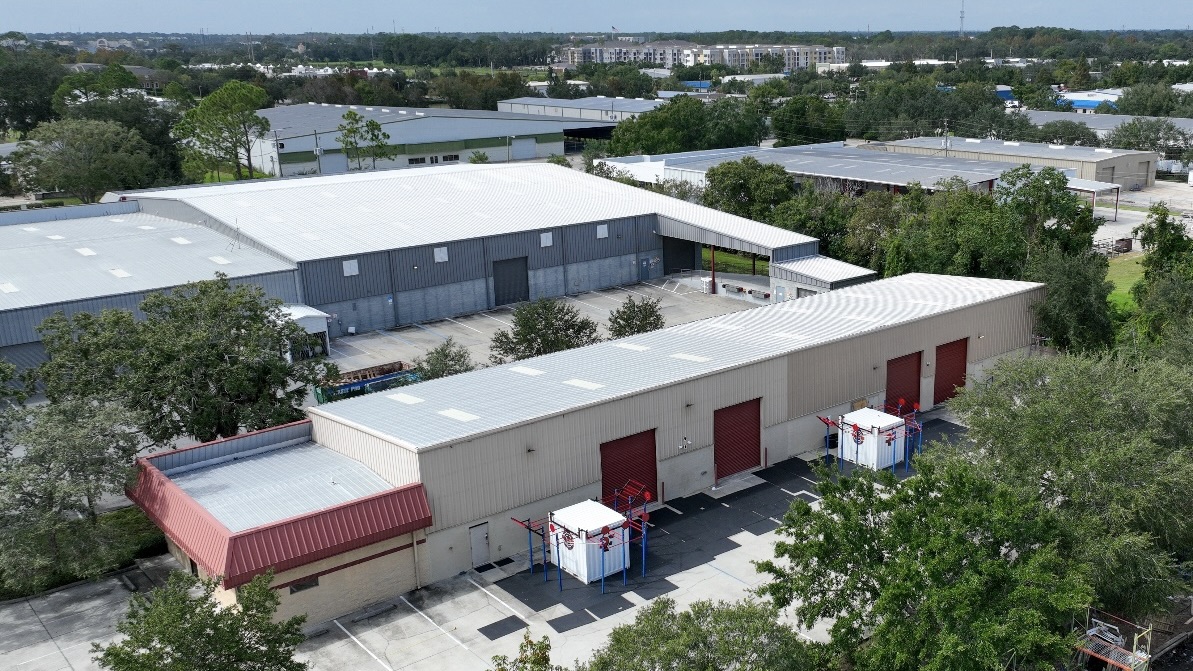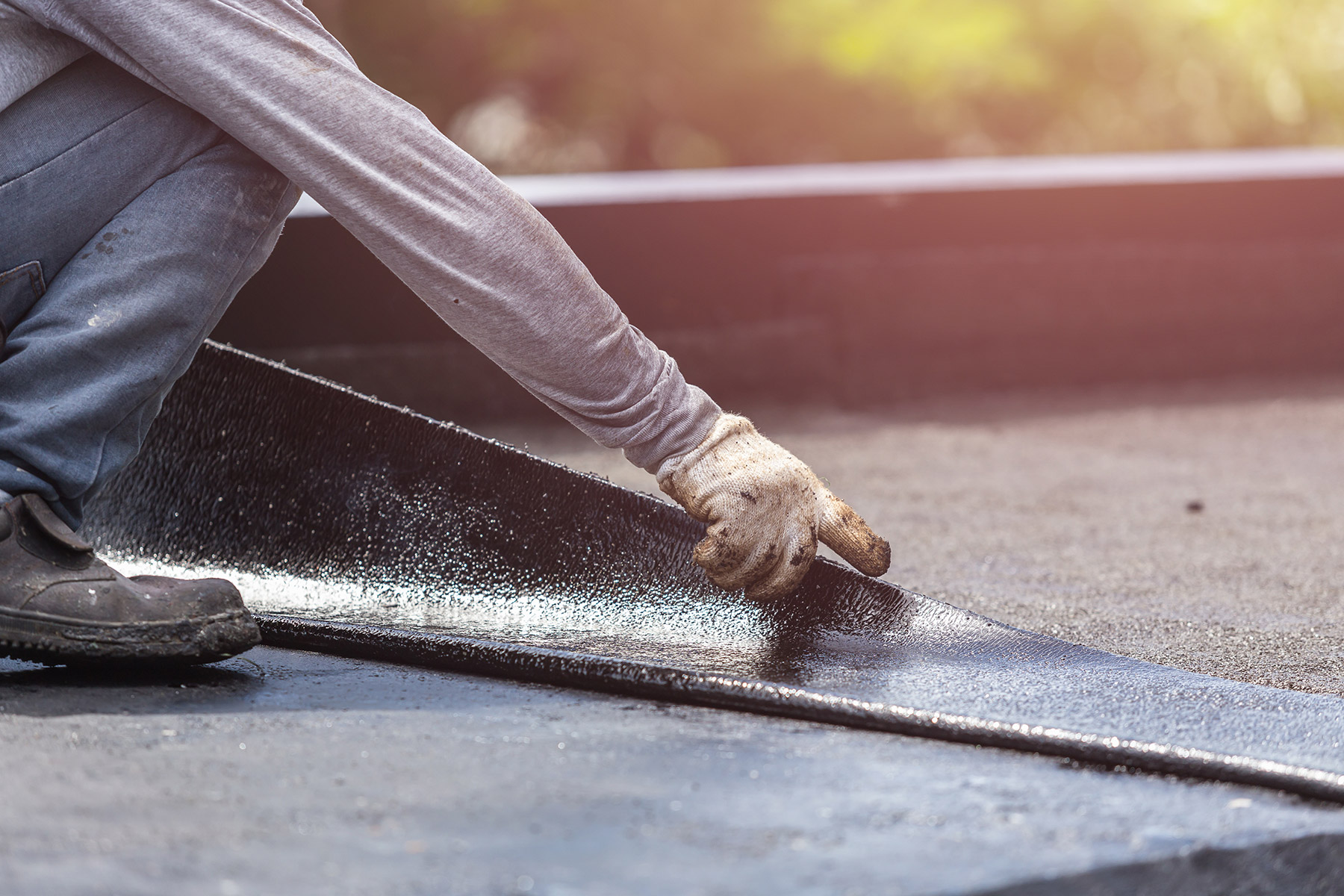
Manufacturing Facility Roofing starts with the actual roof condition.
Baltimore's manufacturing heritage is defined by its port-adjacent industrial base, and Bethlehem Steel's Sparrows Point legacy, now operating as Tradepoint Atlantic, one of the largest industrial redevelopment projects in the country, represents the kind of heavy industrial environment where commercial roofing must account for marine air corrosion, extreme process environments, and the operational demands of continuous production. Active manufacturers across the Baltimore metro, from food and beverage operations to specialty chemical producers to defense contractors, operate facilities where roofing decisions are operational decisions with direct production consequences.
Process equipment on Baltimore manufacturing roofs reflects the port city's industrial diversity: cooling towers for chemical and food processing temperature control, industrial exhaust and marine air management systems, and heavy process ventilation for metal fabrication and chemical operations. Baltimore's marine environment adds a corrosion dimension to every piece of roof-mounted equipment that inland facilities do not experience, salt air accelerates hardware corrosion, compromises equipment frames, and attacks the same metal components used in conventional roofing systems. We specify marine-grade hardware for all Baltimore manufacturing installations, including fasteners, equipment supports, drain hardware, and edge metal.
Chemical and fume exposure at Baltimore's industrial waterfront facilities spans the range from specialty chemicals produced at port-adjacent plants to food processing operations in the Inner Harbor industrial districts to defense manufacturing involving specialty materials. Baltimore's humid subtropical climate means that chemical vapors released at the roofline are absorbed into condensate and membrane surfaces more readily than in drier climates; the membrane is essentially being chemically attacked in a high-moisture environment simultaneously. We assess each facility's chemical environment and specify membranes with resistance ratings for both the chemical compounds and the Maryland humidity conditions.
Maryland's climate creates a challenging roofing environment for Baltimore manufacturing facilities. The combination of humid summers with above-average rainfall, genuine winter freeze-thaw cycles, and the marine influence from the Chesapeake Bay produces a climate that stresses every component of a manufacturing roof system. Vapor drive through the roof assembly is significant in summer, and the freeze-thaw cycles that occur in late fall and early spring stress penetration flashings and drain lines. We design vapor retarder systems for Maryland's actual vapor pressure conditions and specify drain systems with freeze protection appropriate for a Mid-Atlantic climate.
Vibration from heavy manufacturing operations at Baltimore facilities, steel fabrication, chemical processing, food manufacturing lines, transmits into roof decks and stresses membrane systems over time. Older Baltimore industrial buildings, many built in the early-to-mid 20th century with construction practices that predate modern vibration considerations, have deck conditions that require assessment before reroofing. We conduct deck surveys including fastener pull-out testing and deflection assessment on older facilities before specifying a system, and we address any deck deficiencies as part of the reroofing scope. Reroofing over a compromised deck is a short-term repair that creates long-term liability.
Large skylights over Baltimore manufacturing and processing facilities have typically been subjected to decades of Maryland weather and in many cases are well past their functional service lives. Replacing these units on active manufacturing floors requires careful planning for debris containment and water management, and in Baltimore's marine environment, the replacement framing must be specified with corrosion resistance in mind. We coordinate skylight replacement scheduling with facility operations teams and specify replacement systems appropriate for Maryland climate conditions, including marine-grade frame hardware for port-adjacent facilities.
Drain design at Baltimore manufacturing facilities must account for the city's above-average annual rainfall and the marine environment's contribution to biological growth in drain sumps. Baltimore averages over 40 inches of rainfall annually, distributed throughout the year, and drain systems that are adequate for drier climates can be marginal here. Industrial particulate from manufacturing processes adds load to drain systems that are already managing significant rainfall volume. We size drain systems for Maryland design storm events, add overflow scuppers, and specify strainer systems with biological growth resistance where marine conditions create accelerated fouling.
Baltimore's older industrial building stock presents specific challenges for manufacturing reroofing that newer buildings do not share. Many facilities built before 1970 have original structural systems that were not designed to current snow and wind code requirements, and a reroofing project that significantly changes the weight of the roofing assembly requires structural assessment. We coordinate with structural engineers familiar with Maryland building codes when reroofing older facilities, assessing existing structural capacity before specifying insulation thickness or new equipment pad locations. This upfront assessment prevents mid-project surprises that can halt a manufacturing reroofing job for weeks.