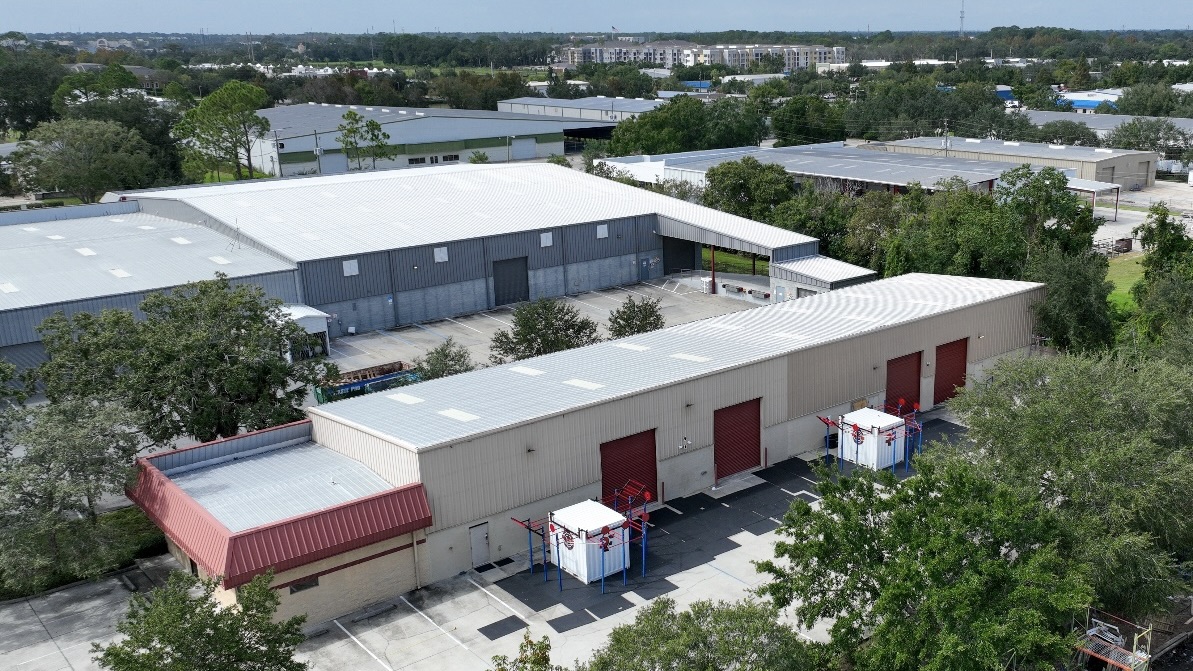
Healthcare Facility Roofing starts with the actual roof condition.
Baltimore occupies a singular position in American healthcare. The Johns Hopkins Hospital on Orleans Street is one of the most recognized medical institutions in the world, and the Hopkins medical campus extends across an entire neighborhood of East Baltimore with research buildings, specialty clinics, and medical office towers that together represent one of the largest concentrations of healthcare real estate on the East Coast. The University of Maryland Medical System's downtown campus anchors the west side of Baltimore's medical district, while MedStar Health, LifeBridge Health, and Luminis Health operate networks of community hospitals, surgery centers, and medical office buildings throughout the metro and surrounding counties. Commercial roofing in this environment is never routine; it is a specialized service that must integrate with the institutional protocols, accreditation standards, and clinical operations of some of the most demanding healthcare facilities in the country.
Baltimore's climate delivers a challenging combination of conditions for commercial roofing on healthcare buildings. The city sits in the mid-Atlantic transition zone, experiencing nor'easters with heavy wet snow, summer thunderstorms capable of delivering two inches of rain in 30 minutes, hurricane remnants that push extended periods of rain from the south, and the freeze-thaw cycling that characterizes the Chesapeake Bay region from November through March. Flat and low-slope roofs on Hopkins medical towers and the older UM Medical Center buildings must manage all of these conditions while maintaining absolute water exclusion above sterile environments and sensitive research spaces. Ice dam formation at parapet edges and at the complex mechanical penetration fields on hospital rooftops is a recurring problem, and our crews perform post-storm inspections for Baltimore healthcare clients to identify and address these vulnerabilities before they result in water intrusion.
The infection control requirements at Baltimore's hospital campuses reflect the sophistication of the institutions themselves. Johns Hopkins Hospital's infection control and prevention program is internationally recognized, and any construction activity above patient care areas on the Hopkins campus must satisfy an ICRA process that is among the most rigorous in the industry. Negative-pressure containment, HEPA filtration at penetration openings, daily facility engineer sign-off, and continuous air quality monitoring at nursing stations are standard requirements for Hopkins roofing projects. At the University of Maryland Medical Center, where the R Adams Cowley Shock Trauma Center operates continuously as the state's premier trauma facility, work sequencing must ensure that no roofing activity affects trauma bay access or emergency department operations at any time.
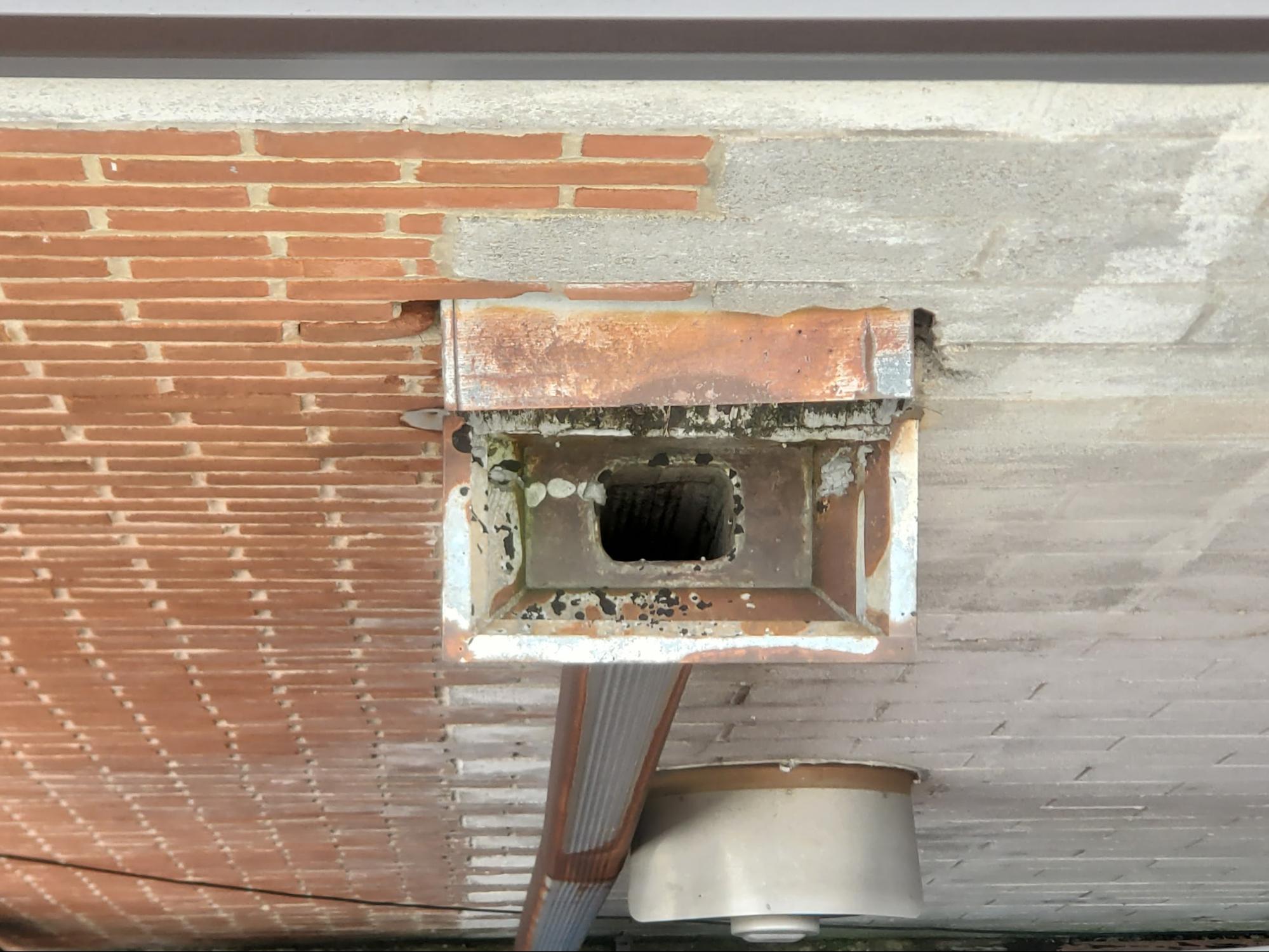
Medical gas infrastructure on Baltimore's hospital campuses is extensive and complex, reflecting the clinical sophistication of these tertiary and quaternary care facilities. At Hopkins and UMMC, rooftop penetration fields include oxygen, nitrous oxide, medical air, vacuum, anesthesia gas scavenging, laboratory exhaust, and cyclotron ventilation systems that would confound any contractor without deep healthcare facility experience. We photograph and document every penetration before project work begins, provide as-built flashing documentation to facility engineering at completion, and require quality control sign-off on each medical gas penetration before moving to an adjacent section. These are not routine pipe boot details; they are life-safety flashings that must perform without compromise.
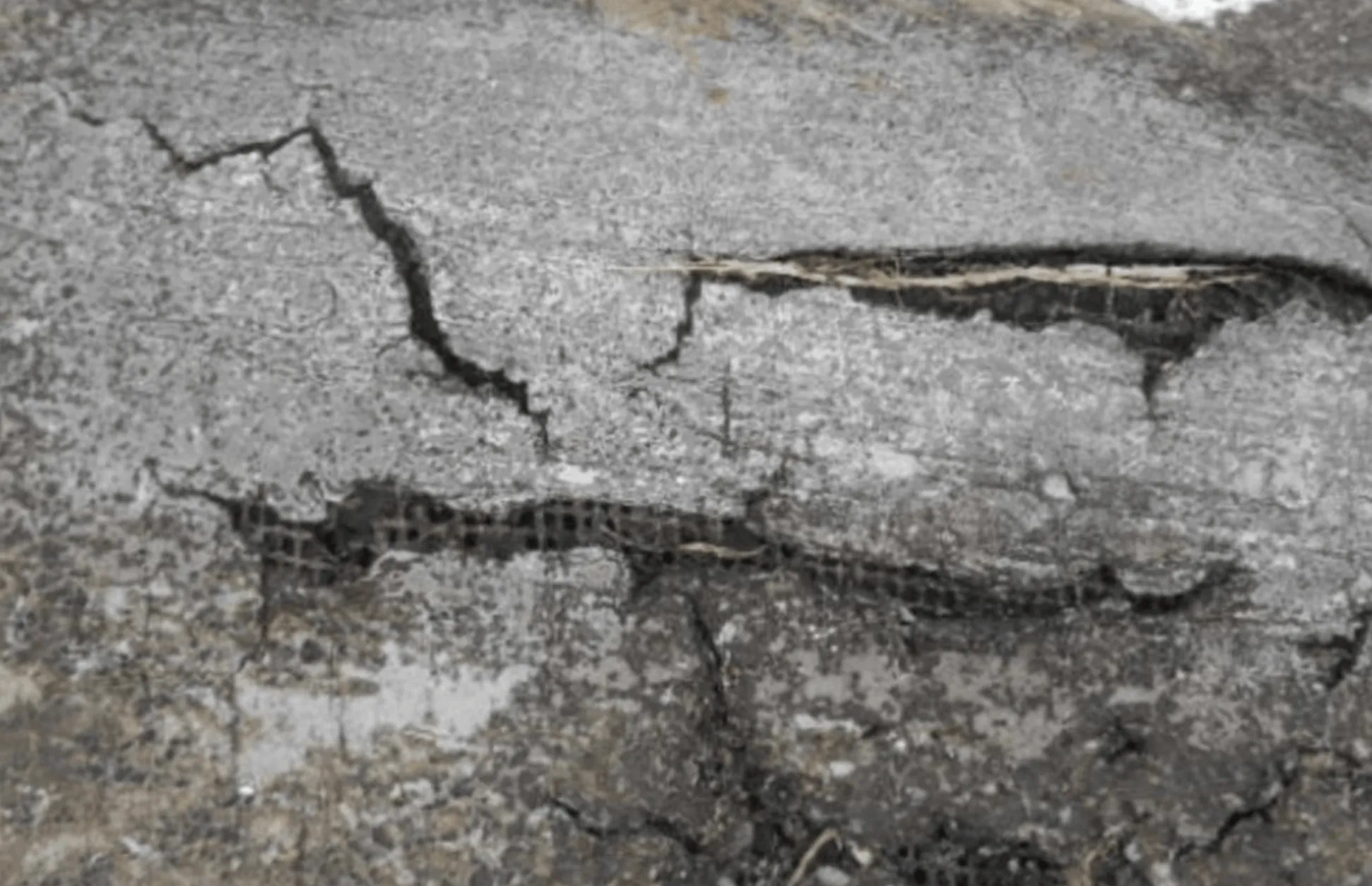
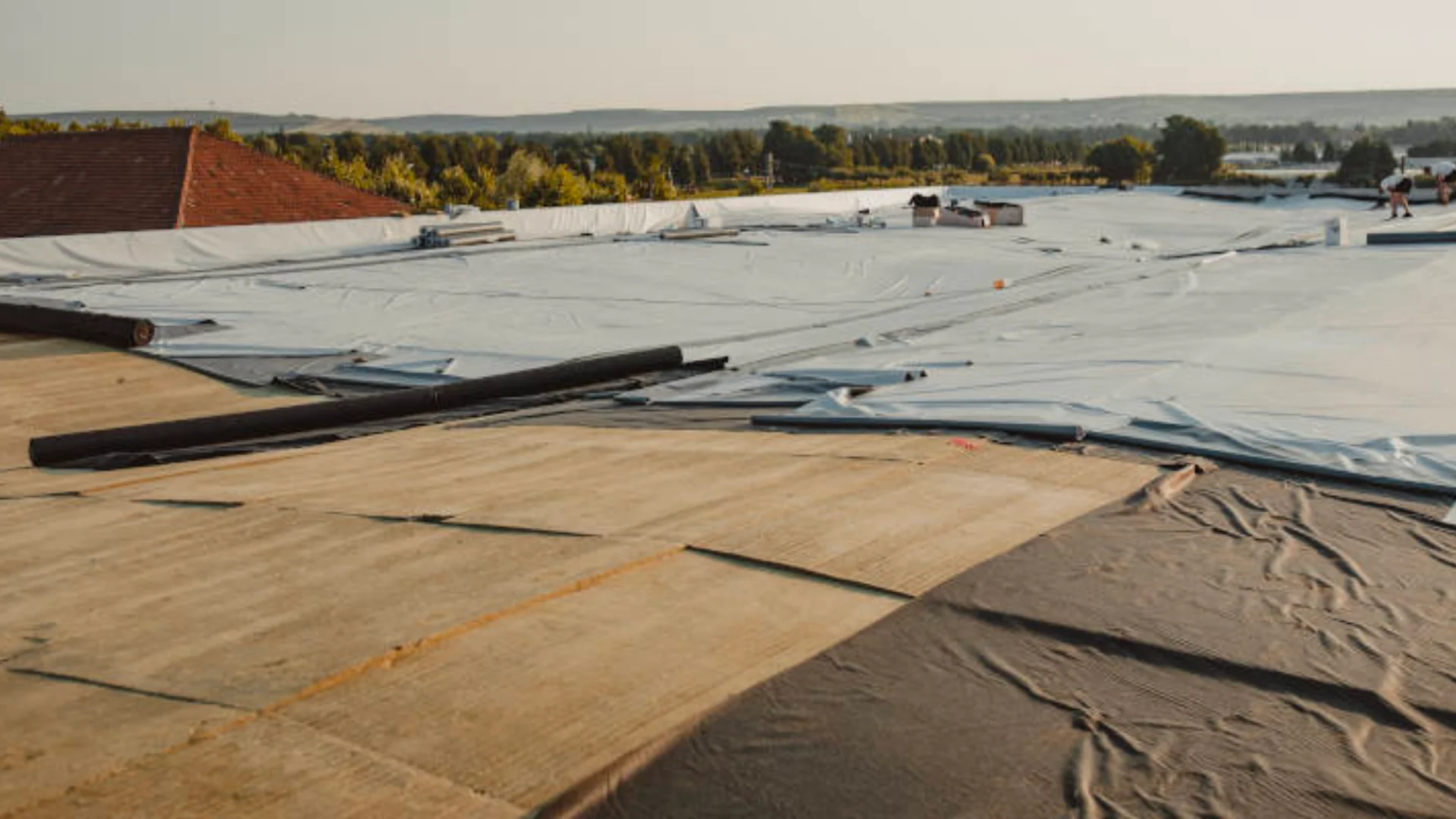
The age of Baltimore's hospital building inventory creates unique challenges for reroofing projects. Many structures on the Hopkins and UMMC campuses date from the mid-twentieth century and have undergone multiple roofing cycles, leaving behind layered assemblies with complex substrate conditions, incompatible historical materials, and concealed moisture problems that only thorough investigation can identify. Before any reroofing proposal is prepared for an older Baltimore hospital building, we conduct systematic moisture scanning of the existing assembly, core sampling at representative locations, and structural capacity assessment where additional insulation layers are being considered. This due diligence prevents the common and costly failure mode of installing a new system over a compromised substrate.
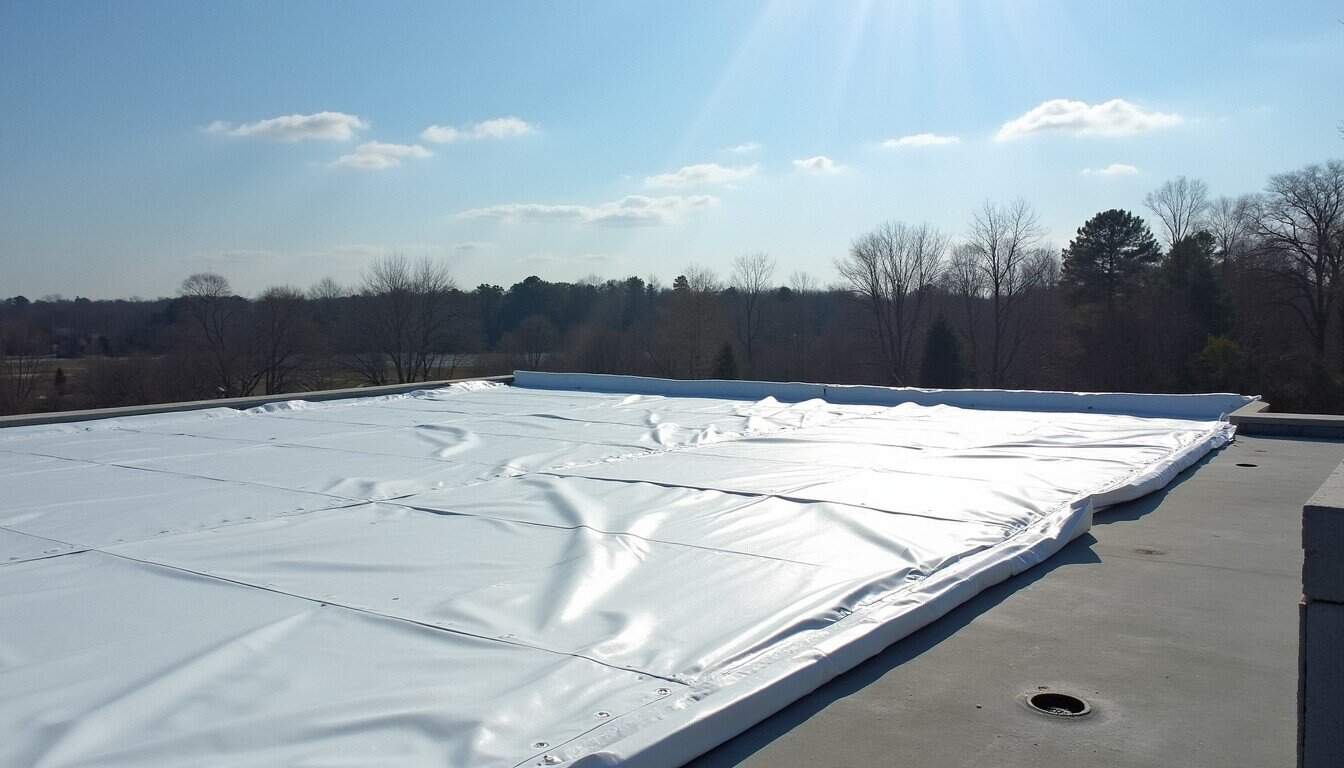
Baltimore's healthcare real estate market has seen significant investment in new medical office construction, particularly in the Woodlawn and White Marsh corridors to the west and east of the city where LifeBridge and MedStar have positioned outpatient networks. These newer buildings require manufacturer-backed warranty programs that satisfy institutional REIT and health system real estate department standards, and we are certified applicators for the major commercial roofing manufacturers serving the mid-Atlantic market. Our warranty documentation packages are formatted to satisfy the requirements of healthcare real estate investors who have become major players in the Baltimore medical office market over the past decade.
Urgent care facilities and freestanding emergency departments have proliferated across the Baltimore metro, and these assets, typically operating 24 hours a day, create scheduling constraints that require careful planning. A MedStar PromptCare or Luminis Express Care facility cannot suspend operations for roofing work during business hours, and the 24-hour nature of freestanding emergency departments means there is never a clean closure window. We address this by staging projects in small zones that can be completed within a single overnight session, with each zone fully waterproof before patients arrive for the morning. This zero-exposure approach takes more coordination but eliminates the risk of a weather event catching an open zone above an occupied emergency facility.
Long-term care facilities and assisted living communities in the Baltimore area, particularly the concentration of senior living properties in Towson, Catonsville, and the Baltimore County corridors, operate under Maryland Office of Health Care Quality oversight that creates significant regulatory exposure from maintenance failures. Water intrusion events that result in mold growth above resident living areas can trigger OHCQ citation and remediation requirements that far exceed the cost of preventive roofing maintenance. We have established ongoing relationships with several Baltimore-area senior living operators and provide the inspection documentation and maintenance records that these facilities need to demonstrate compliance with physical plant care standards during regulatory surveys.