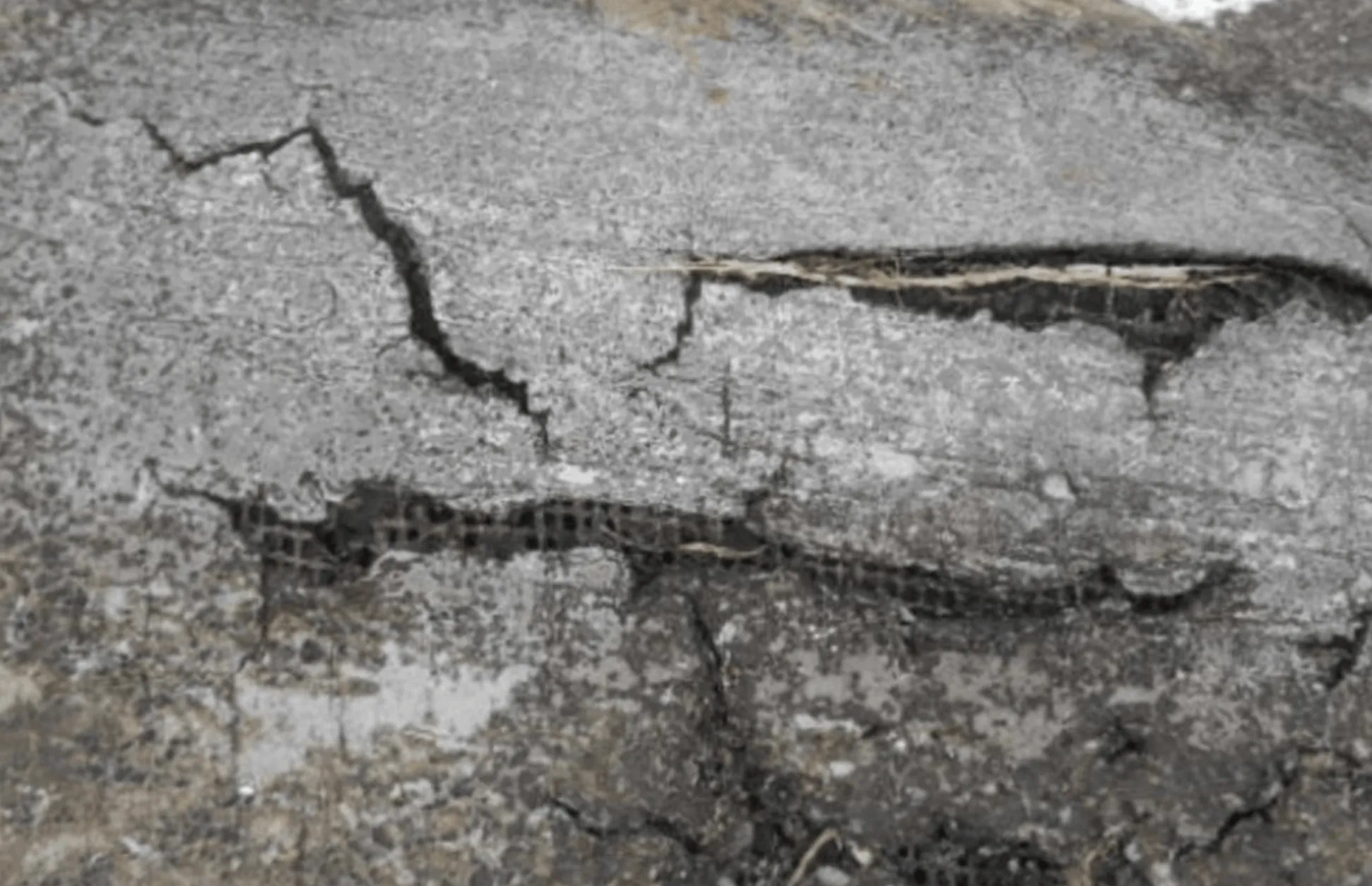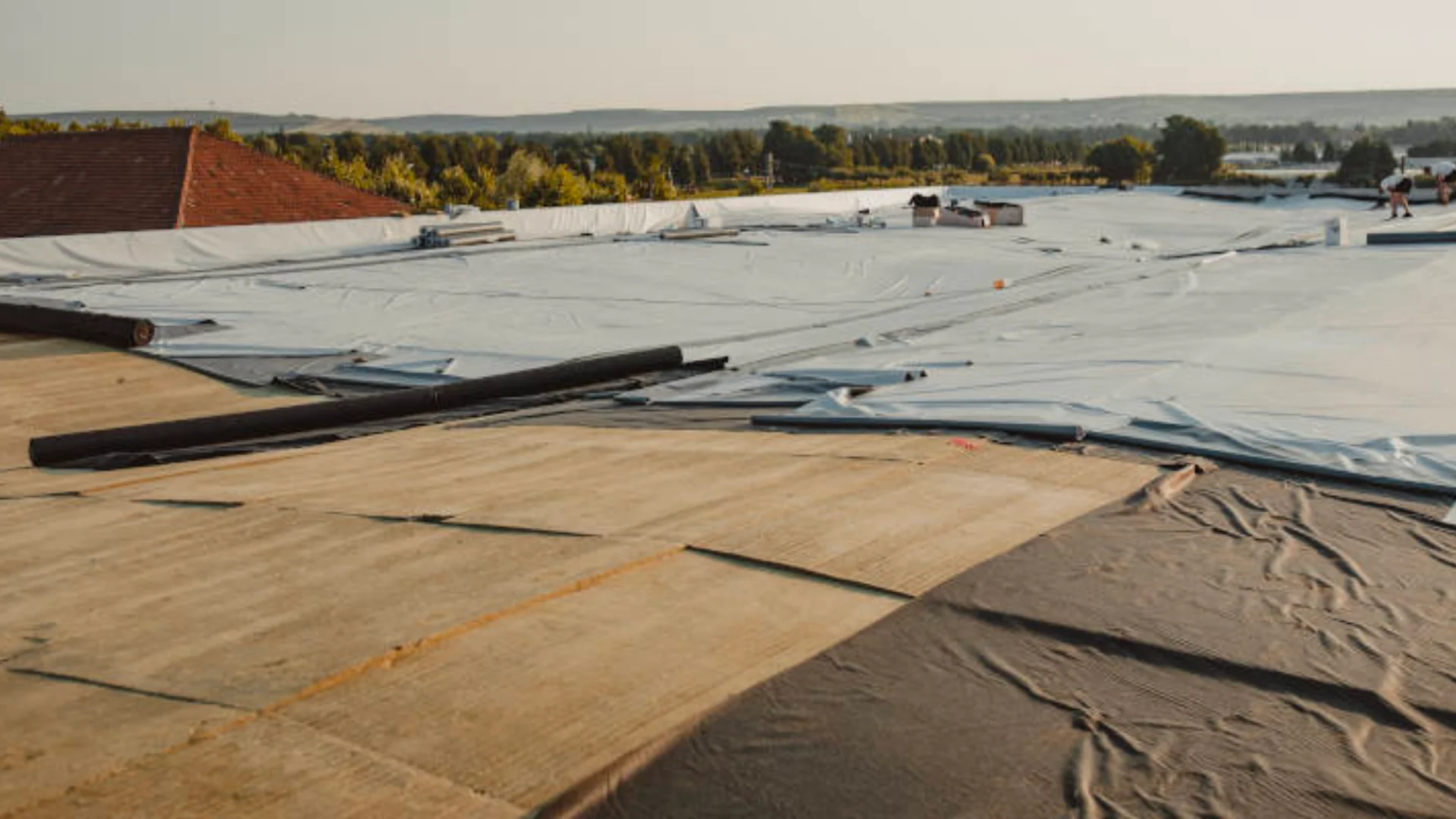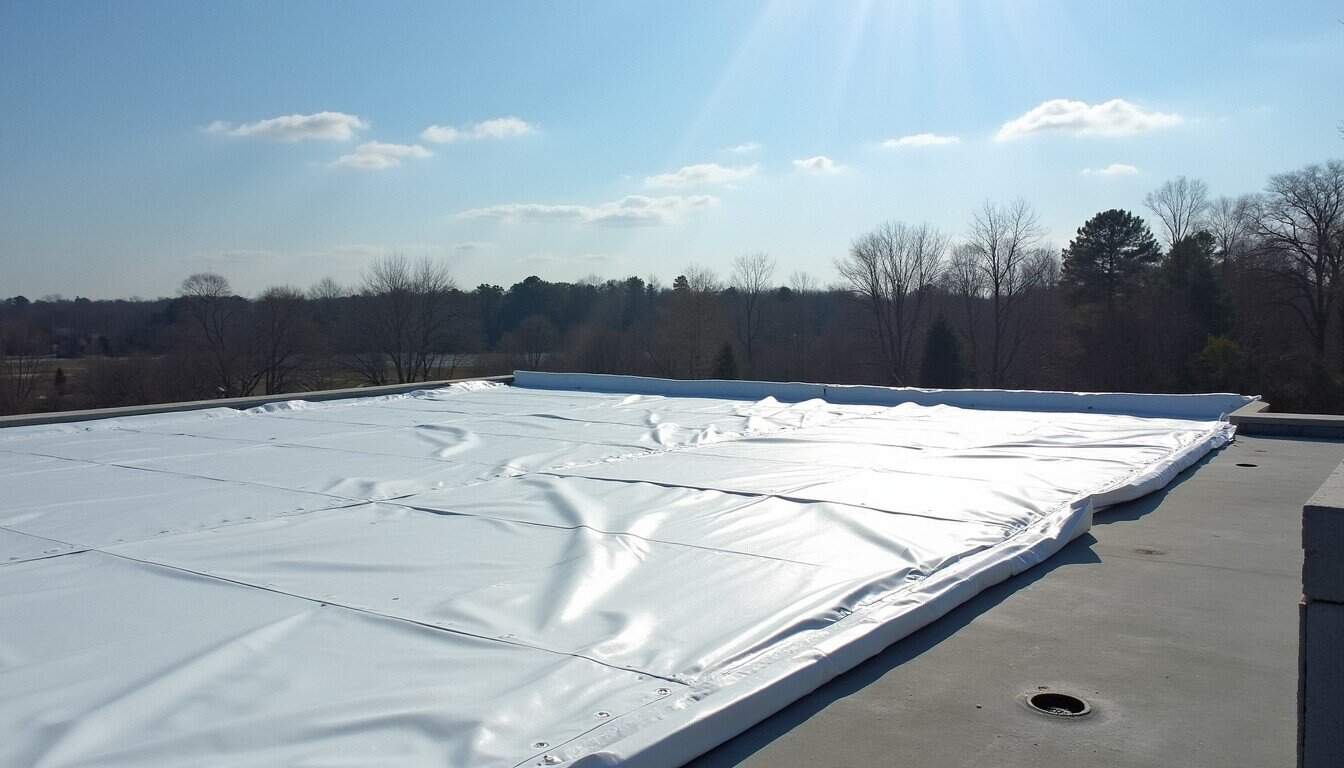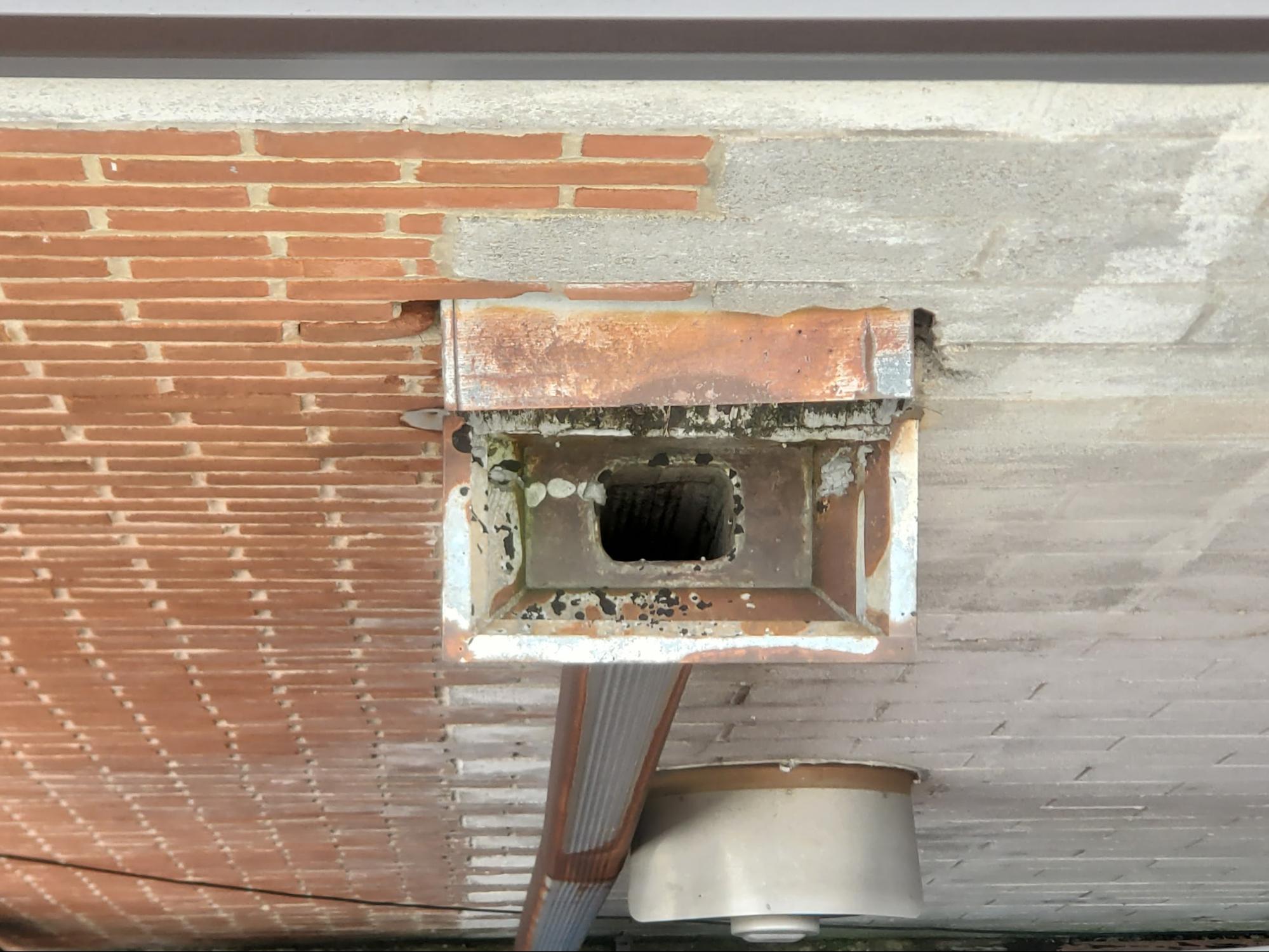
Church and Religious Building Roofing starts with the actual roof condition.
Sharp Street Memorial United Methodist Church in Baltimore has stood as a pillar of the city's African American religious community since the nineteenth century, its historic masonry structure representing both the congregation's remarkable heritage and a genuine preservation stewardship responsibility for every generation of building committee members. Baltimore's faith community spans the full spectrum from nationally significant historic churches to mid-century suburban sanctuaries built during the postwar expansion of the city's neighborhoods, and each type presents distinct roofing demands shaped by the city's challenging Mid-Atlantic climate.
Baltimore's climate imposes a demanding annual cycle on church roofs. The city averages approximately 44 inches of precipitation annually, receives significant snowfall in most winters, and experiences humidity levels that are elevated throughout the summer months. Freeze-thaw cycling from November through March is aggressive, particularly at flashing interfaces and masonry parapet copings where differential movement between roof membrane and building structure creates repeated opening and closing of sealant joints. Baltimore churches that defer flashing maintenance through three or four winters typically find that what appeared to be a maintenance repair has become a full perimeter flashing replacement by the time it is finally addressed.
Historic masonry churches in Baltimore require roofing contractors with demonstrated experience in heritage building work. The Maryland Historical Trust maintains a list of historically significant properties in Baltimore City, and many of the city's oldest congregations, spanning African American, Catholic, Lutheran, and Methodist traditions, have buildings that carry historic designations. Work on these buildings may trigger review requirements under the Baltimore City Commission for Historical and Architectural Preservation, and contracts that proceed without this review can face stop-work orders and remediation requirements that are far more expensive than the cost of proper pre-construction consultation.
Clear-span sanctuary construction in Baltimore's post-1940 church buildings is common, but the city's older neighborhoods contain remarkable surviving examples of nineteenth and early twentieth-century church architecture where the structural framing is integrated with architectural elements that roofing contractors must treat with great care. Wide-span slate roofing systems on historic church buildings should only be maintained or replaced by contractors who hold documented experience with natural slate and understand the specific fastener, underlayment, and flashing requirements for this system type. Transitioning from slate to a modern membrane system on a historic church requires CHAP review in Baltimore City and should not be undertaken without preservation professional guidance.
Scheduling around Baltimore's active church community requires sensitivity to the city's strong tradition of year-round religious programming. Many of Baltimore's large African American and Catholic congregations run daily programming, food pantries, tutoring, senior services, that make the church building a seven-day-a-week community facility rather than a weekend-only worship space. For these congregations, there is no "quiet season" comparable to what suburban evangelical churches might offer, and project scheduling must be tailored to genuine daily occupancy patterns, with guaranteed access to specific building sections on specific days negotiated in writing before the contract is executed.
Capital campaigns for Baltimore faith communities often draw on the city's strong tradition of denominational and foundation support. The Associated Black Charities and the Baltimore Community Foundation both provide grant funding for historic property rehabilitation that includes roofing systems on qualifying community-serving institutions. The Episcopal Diocese of Maryland and the Archdiocese of Baltimore maintain their own facilities grant programs for affiliated congregations undertaking major capital improvements. Building committees should consult their denominational facilities office before assuming the full project cost must be funded by congregational contributions alone.
Maryland's contractor licensing requirements apply to commercial roofing projects in Baltimore. Contractors must hold a valid Maryland Home Improvement Contractor license for projects under $500,000 or a commercial contractor license for larger projects, and roofing-specific licensing and insurance requirements must be verified before contract execution. Baltimore City's permit system, administered through the Department of Housing and Community Development, requires building permits for commercial roof replacements, and the permit process includes a plan review for projects that change the roof assembly type. The Maryland Energy Administration's commercial building energy code requirements apply to roof replacements and mandate minimum thermal and reflective performance values for the new assembly.
Working with Baltimore church boards requires an understanding of the governance structures that vary significantly across denominations. Episcopal vestries, Catholic building committees with diocesan oversight, and independent evangelical boards each make decisions through different processes and at different timelines. A contractor who pressures a church board for a quick decision by implying the price will increase if they don't sign by Friday is demonstrating exactly the kind of sales practice that experienced faith community facilities managers recognize as a warning sign. Legitimate contractors understand that faith community governance takes the time it takes, and they build appropriate decision timelines into their project schedules from the outset.