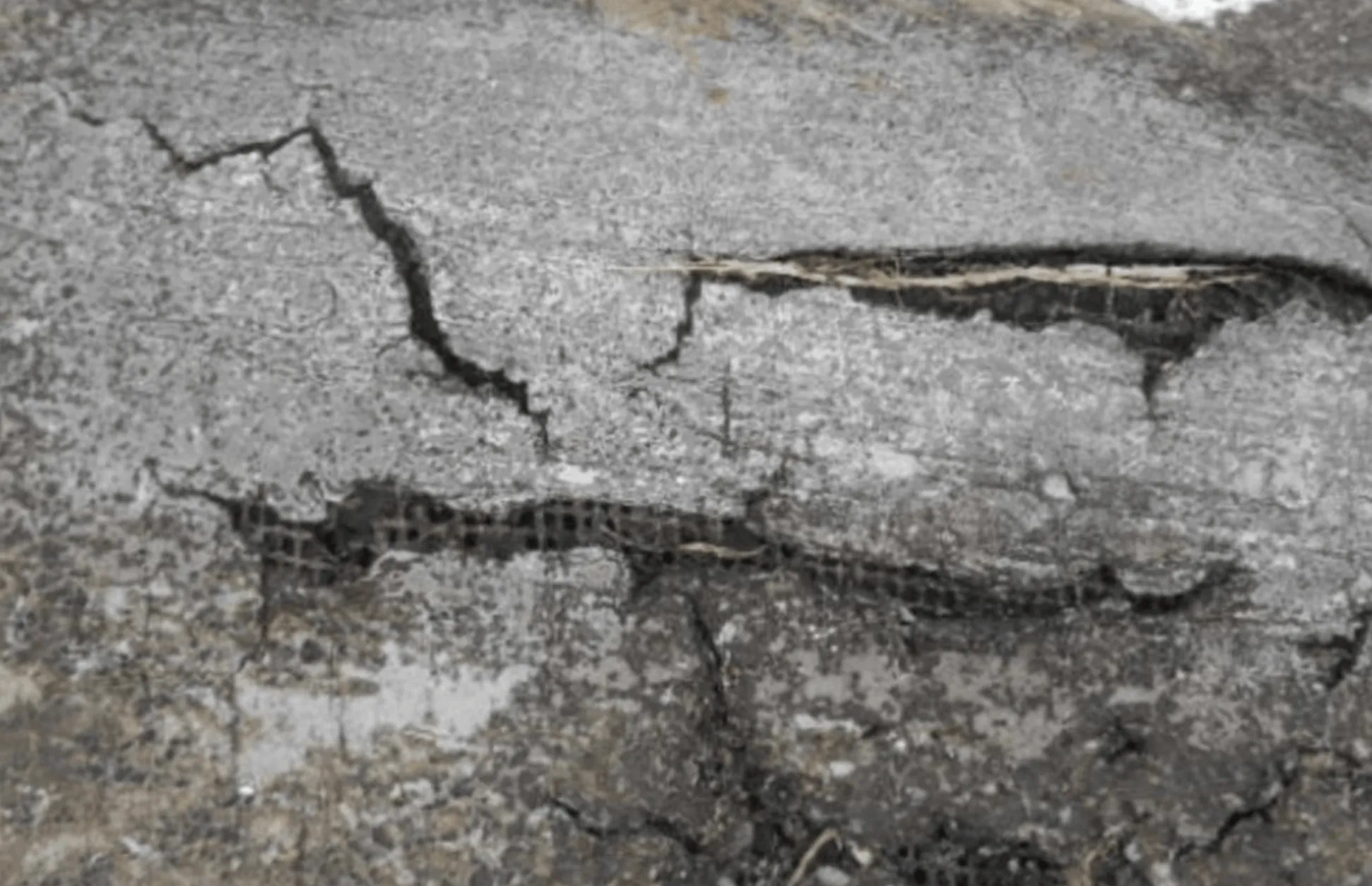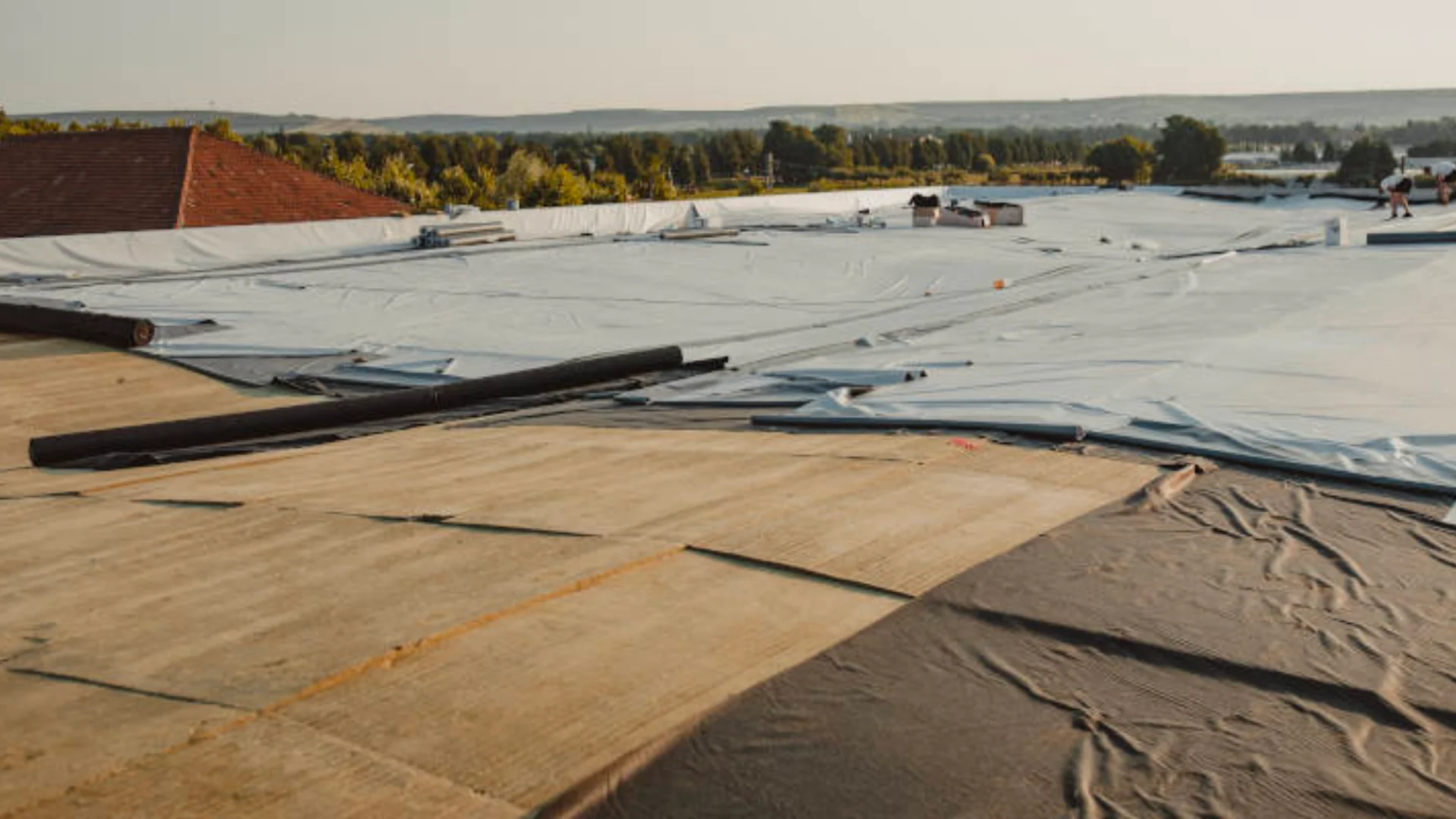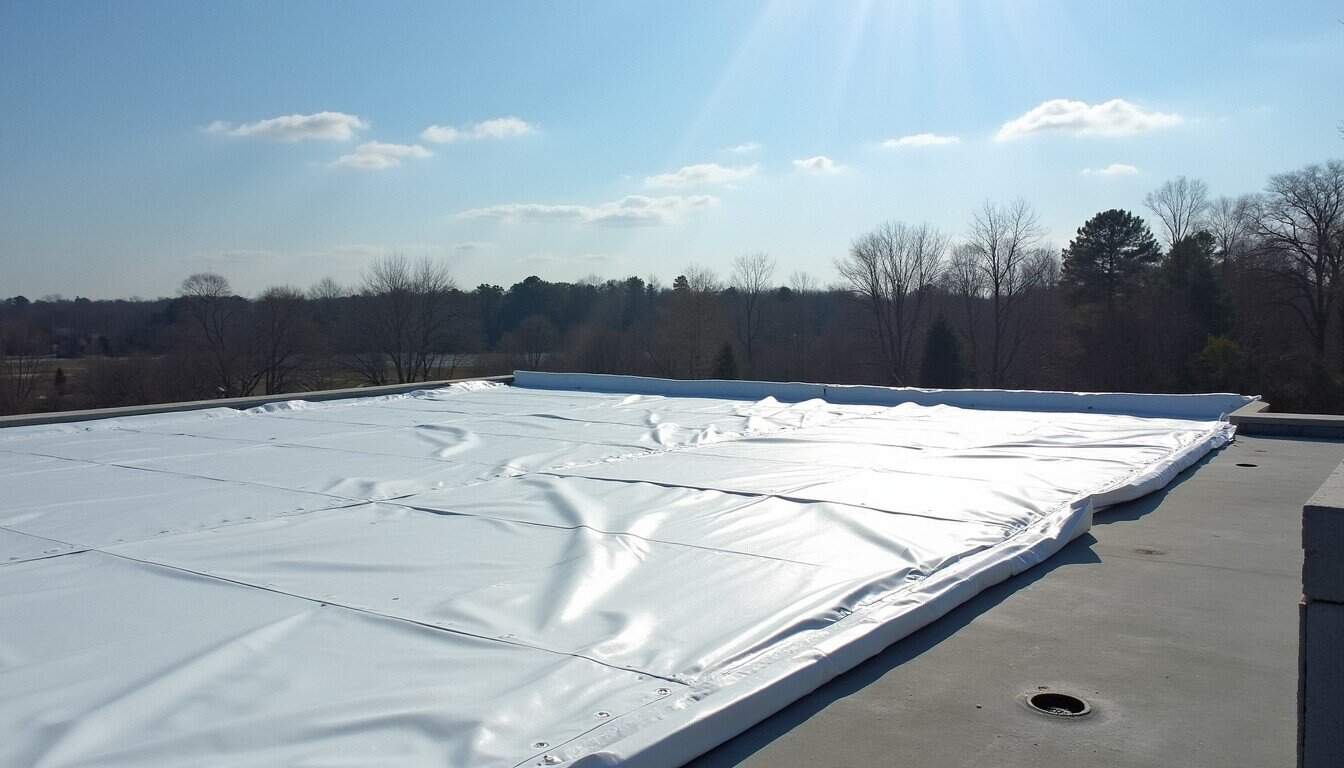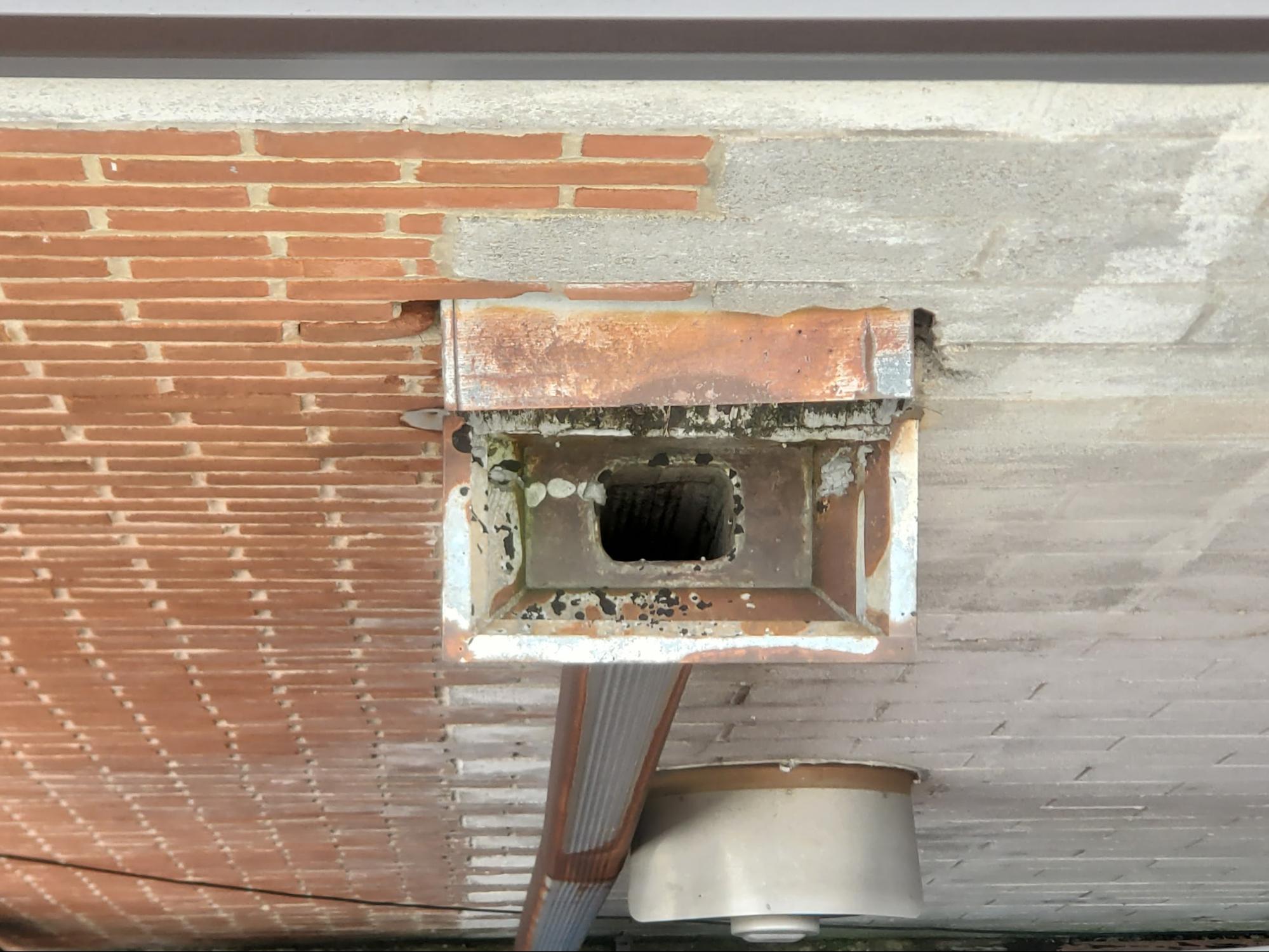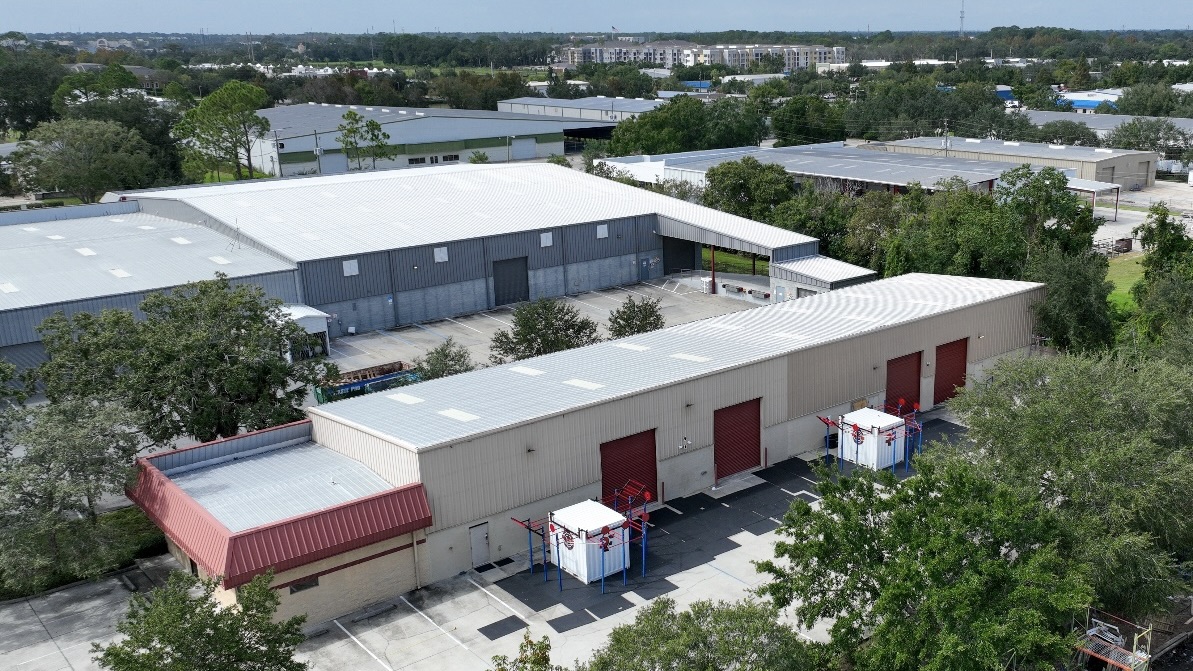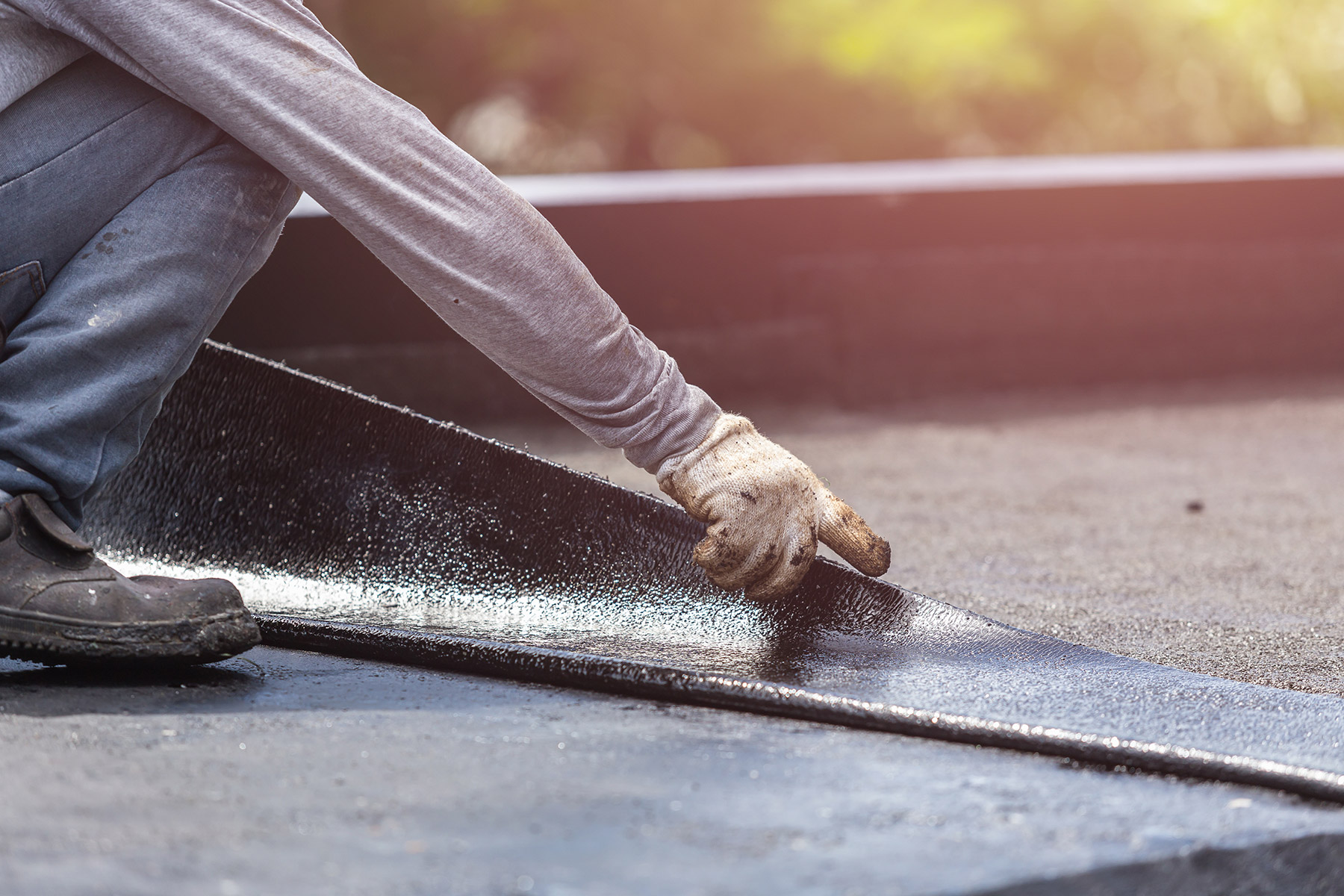
Auto Dealership Roofing starts with the actual roof condition.
Antwerpen Automotive Group operates a large multi-franchise campus in the Baltimore metropolitan area, with dealership facilities in Clarksville, Catonsville, and other metro locations representing Toyota, Honda, Nissan, and additional brands. Antwerpen represents the scale of investment that major Baltimore-area dealer groups have made in their physical facilities, with modern showrooms, expanded service departments, and facility upgrades driven by OEM standards programs. Commercial roofing on Antwerpen's facilities and comparable Baltimore-area dealerships requires managing Maryland's demanding four-season climate alongside the continuous operational requirements of a high-revenue auto retailer.
Maryland's climate creates a full range of roofing challenges for auto dealerships in the Baltimore metro. Humid summers with temperatures above 90°F and regular severe thunderstorms stress membranes and drainage systems from June through September. Winter nor'easters can deposit 18–24 inches of snow in 24 hours, creating snow load and ice dam concerns for flat service department roofs. Spring and fall bring the freeze-thaw cycles that are most damaging to improperly detailed penetrations and parapet flashings. A roofing system designed for one of these seasonal challenges without accounting for the others will underperform over its service life.
Service department skylights at Baltimore-area dealerships face the Mid-Atlantic's full climate range, from summer sun angles that deliver maximum UV stress to winter ice accumulation that can load skylight frames. Maryland's relatively modest skylight maintenance requirements in older building codes mean that many Baltimore dealerships have service department skylights that were installed 15–20 years ago without the modern design features that improve long-term performance. Antwerpen and similar dealer groups have found that proactive skylight replacement, rather than piecemeal resealing, provides better long-term value when skylights approach or exceed 15 years of age in Maryland's climate.
Maryland Building Code applies to commercial roofing projects in the Baltimore area, and building permits are required for significant re-roofing work in both Baltimore City and the surrounding counties. Anne Arundel, Howard, and Baltimore counties each have their own building departments, and dealers with facilities across multiple counties need roofing contractors who are familiar with the permit processes in each relevant jurisdiction. The permit process in Maryland counties is generally more straightforward than in urban jurisdictions like Baltimore City, but lead times for commercial plan review can still require two to four weeks of advance planning.
Occupied service department operations at Baltimore dealerships run Monday through Saturday, with some Saturday operations running half-days. The roofing contractor's sequencing plan must accommodate this schedule, including the peak morning drop-off period when service lanes are at their busiest and interior access needs to be maintained cleanly. Baltimore-area dealers who have managed dealership roofing projects emphasize the importance of the daily pre-work briefing between the roofing foreman and service manager, a brief but essential communication that aligns the day's work scope with the service department's expected activity level.
Hail risk in the Baltimore metro is moderate but not trivial, particularly in the corridor from Frederick County through Carroll County and into the northern Baltimore suburbs where severe thunderstorm cells frequently track. Dealers in these areas have experienced hail events that damage both vehicles and building roofs, and the claim documentation process for simultaneous auto and building damage is complex enough that having a pre-identified roofing contractor who can respond quickly for assessment significantly streamlines the process.
HVAC systems on Baltimore dealership buildings must handle the region's full seasonal range, from July heat indices above 100°F to January wind chills below zero. The rooftop unit footprint on a major Baltimore service department can include substantial cooling and heating capacity, creating numerous penetrations, curbs, and equipment bases that need to maintain watertight integrity through the climate's extremes. Maryland's freeze-thaw cycles are particularly hard on penetration flashings that are not installed with adequate movement accommodation, and roofing contractors in the Baltimore market treat detailed penetration work as a differentiator in their service quality.
Service lane canopies at Baltimore dealerships face the same snowfall challenges as the main service department roofs, with the added complexity of open-sided exposure to wind-driven snow and rain. The weight of ice and snow on canopy structures can exceed design loads during major nor'easter events if canopy snow retention is not addressed in the structural design. Dealers in the northern Baltimore suburbs, where snowfall is most intense, have had canopy structures retrofitted with improved drainage and heating elements at downspout locations to prevent ice dams from accumulating at the canopy edges.