General Contractors starts with the actual roof condition.
Commercial roofing scope, documentation, and planning for bid leveling, schedule coordination, safety access, and closeout documents.
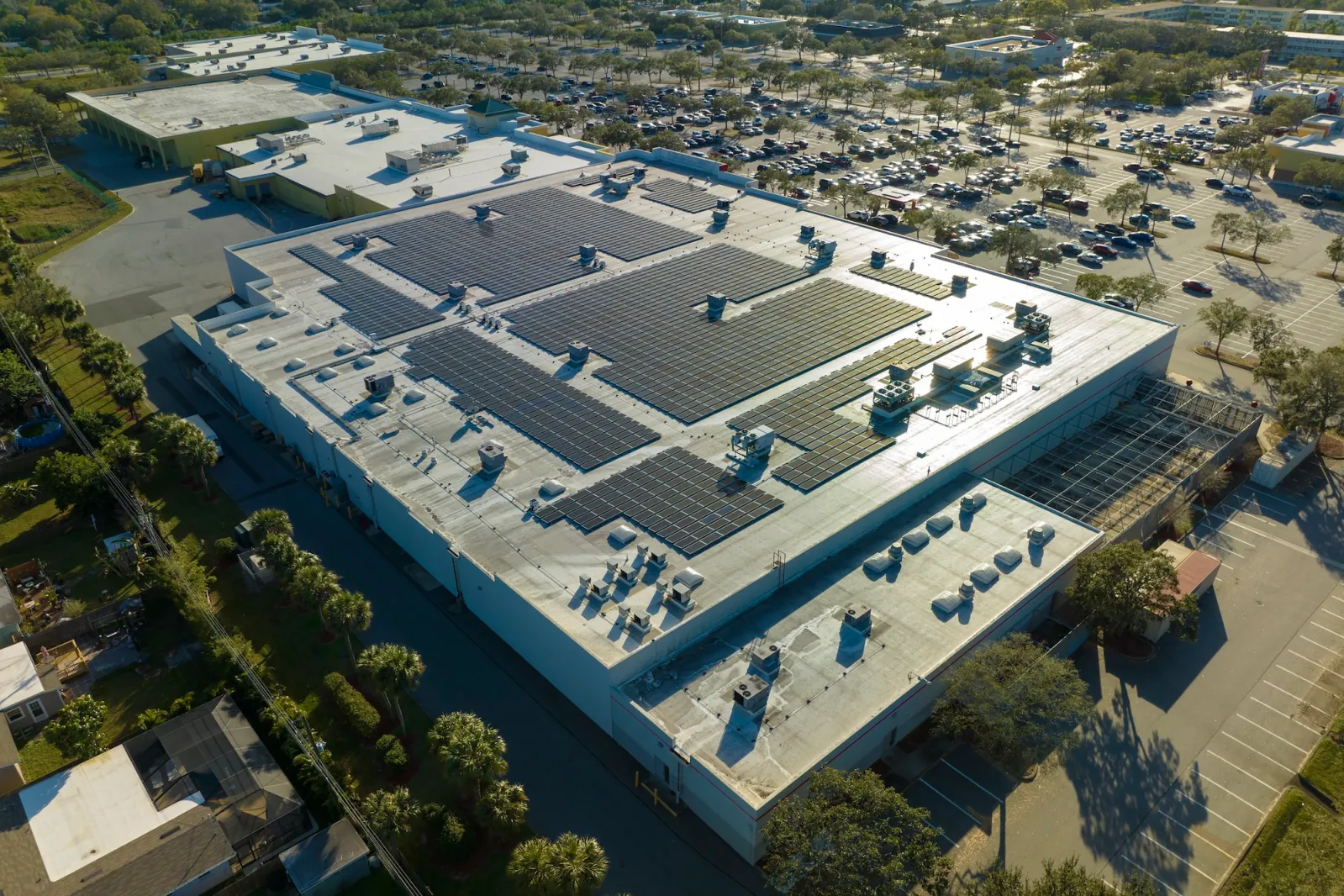
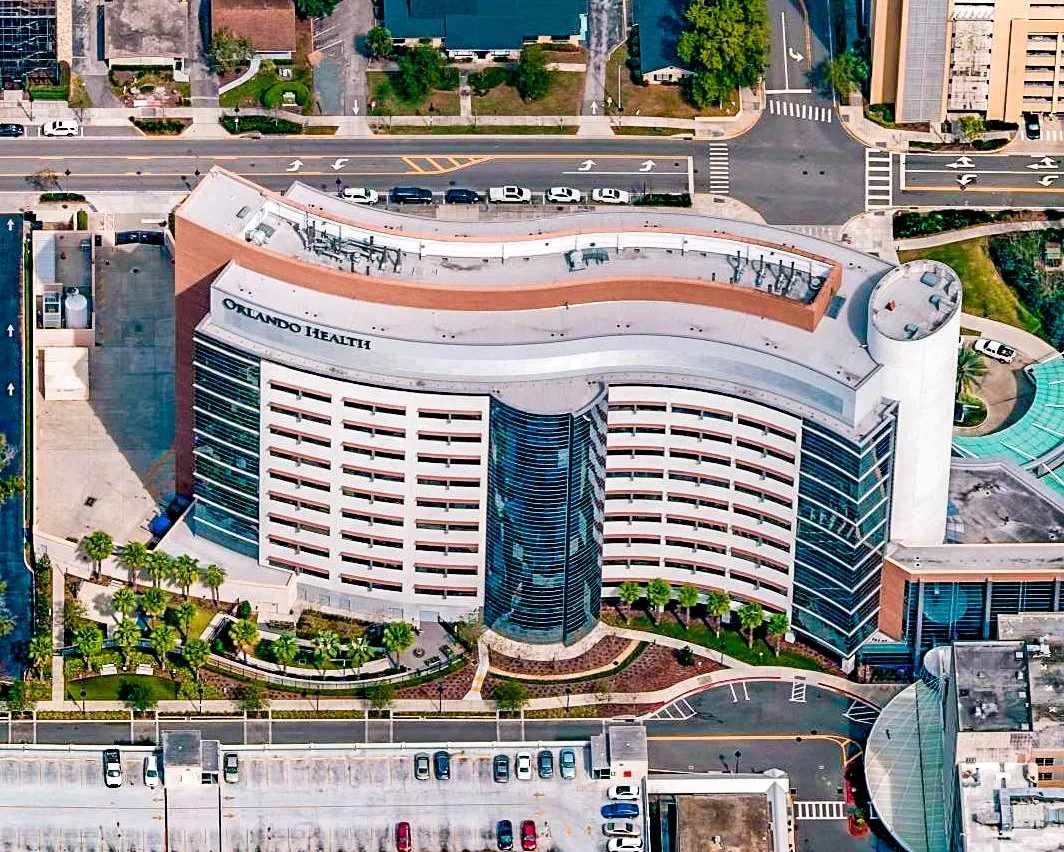
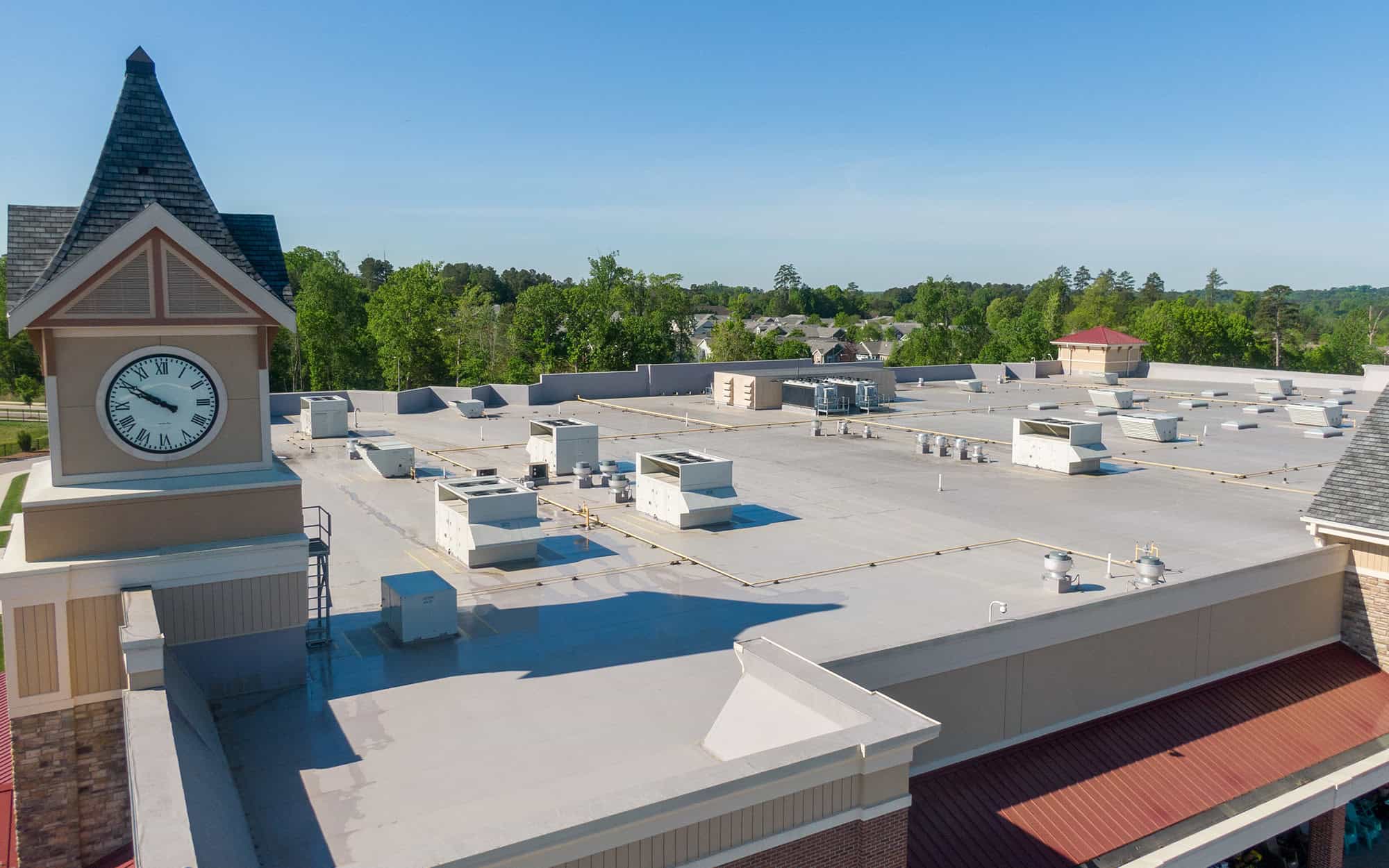
We write roof scopes for the person who has to defend the decision after the crew leaves. For general contractors, we start with the building use, the roof history, the reason the buyer is asking now, and the cost of getting the call wrong. On a General Contractors call, a leak above active inventory, a saturated cover board above a medical suite, and an aging membrane above a port-side warehouse do not deserve the same answer. We walk the General Contractors roof, confirm the system where we can, and document membrane seams, curb flashing, edge metal, drains, scuppers, rooftop equipment, and previous repair edges before a recommendation goes into the file.
The buyer for General Contractors is usually not looking for a lecture on roofing vocabulary. That buyer needs to know whether the General Contractors issue can be repaired, restored, recovered, or replaced without creating avoidable disruption. We write the General Contractors file for buyers in this sector: what we saw, what it means, what can wait, what cannot wait, and what assumptions should be verified before a purchase order is issued. That keeps the first General Contractors decision grounded in roof evidence instead of sales pressure.
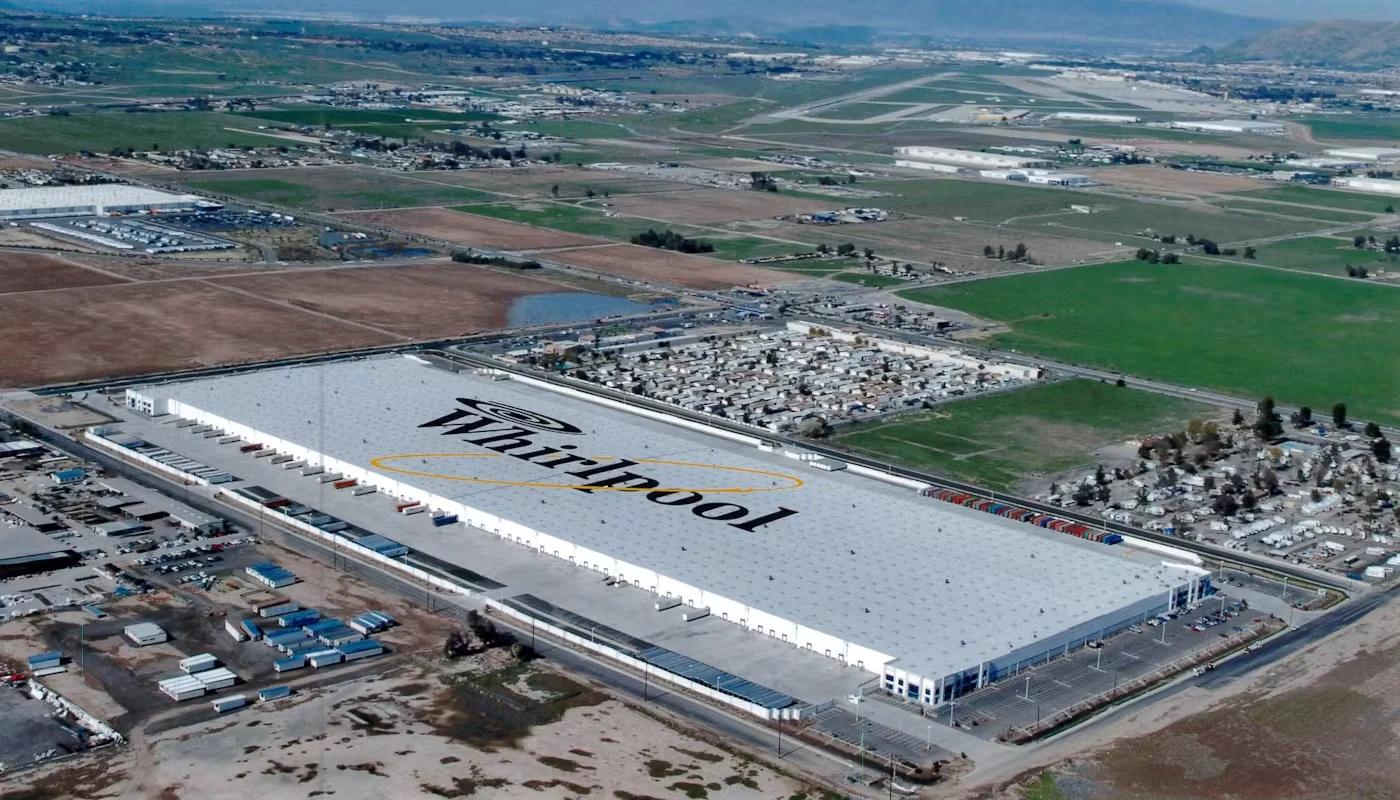
Local conditions matter for General Contractors because Baltimore is not a generic roof market. For General Contractors, the I-83, Timonium, Hunt Valley, and Owings Mills corridor mixes office, flex, institutional, and light industrial roofs where dispatch and daytime tenant coordination matter. For General Contractors, the Port of Baltimore lists Dundalk, Seagirt, Fairfield, North Locust Point, South Locust Point, and other public terminal assets that keep waterfront roofs tied to cargo schedules and truck movement. Those General Contractors details can change staging, inspection timing, material movement, safety zones, and whether a scope needs an alternate for after-hours or tenant-sensitive work. A General Contractors plan that ignores those constraints usually turns into a change order conversation later.
- For General Contractors, we verify the membrane field, seams, flashing, drains, scuppers, rooftop units, and previous repair edges.
- For General Contractors, we document the access route, tenant limits, safety setup, material staging, and weather-sensitive work windows.
- For General Contractors, we separate repair, restoration, recover, replacement, warranty, and maintenance implications.
For General Contractors, we treat drainage as a first-class issue. A General Contractors membrane puncture can be obvious, while a blocked scupper, undersized overflow, low drain bowl, or soft insulation edge can hide until the next thunderstorm. We check General Contractors ponding patterns, slope breaks, conductor heads, roof drains, and parapet transitions because water that sits on the roof changes repair life, coating eligibility, and replacement timing. If drainage needs a separate General Contractors scope, we say that before pricing the prettier part of the job.
The technical side of General Contractors comes down to bid leveling, schedule coordination, safety access, and closeout documents. On a General Contractors roof, we do not pretend a coating solves wet insulation, that a recover belongs over trapped moisture, or that a patch should be sold as a capital plan. We look for General Contractors age clues, previous repair chemistry, manufacturer markings, deck movement, rooftop unit traffic, and interior leak maps so another bid can be compared without guessing.
Access planning for General Contractors is part of the roof work, not an afterthought. Downtown, port, medical, school, retail, and industrial General Contractors sites each put different limits on crane windows, noise, odor, truck flow, safety lines, and customer paths. We document the access issue early because a General Contractors scope that cannot be staged cleanly is not ready to buy.